Monday, 31 July 2023

Protein Found in Cow’s Milk Significantly Speeds Up Wound Healing

By U. COLLEGE LONDON JULY 30, 2023

Researchers have discovered that casein-infused bandages, made using a milk protein, improve wound healing in rats, potentially offering a cost-effective alternative to materials like silver in wound dressings. Though promising, the study emphasizes the need for further work to understand the biological interactions and to ensure safety and effectiveness in humans.

According to a recent study conducted by University College London researchers, bandages infused with casein, a protein found in cow’s milk, significantly improved wound healing in rats compared to those in control groups, according to a new study by UCL researchers.

The research, which was recently published in the journal Interface, is the first experiment to assess the reputed healing benefits of casein on an animal model. The encouraging findings suggest that casein, a cost-effective, readily available substance with antimicrobial attributes, holds the potential to replace pricier materials like silver in wound dressings.

Casein is a protein found in the milk of mammals and is most abundant in cow’s milk, where it makes up to 80% of the substance. In the last decade, interest has grown in casein’s antimicrobial, antioxidant, and anti-inflammatory properties, as well as its utility as a high-protein dietary supplement.

In this study, researchers at UCL mixed pure casein with polycaprolactone (PCL), a biodegradable polyester commonly used as a bandage material. They used a technique called pressurized gyration, which was developed at UCL in 2013, to spin this mixture into bandage-like fibers from which they created casein-infused bandages. This would not have been possible with other, more expensive manufacturing methods such as electrospinning.

Rats with identical small skin perforations were split into three groups. The wounds of those in the first group were treated with casein-infused bandages, the second with normal PCL bandages, and the third with no bandages.

Healing progress was checked after three, seven, 10, and 14 days by photographing and measuring the wounds, as well as examining them under a microscope.

The team found that at 14 days the wounds treated with casein-infused bandages healed to 5.2% of their original size, compared to 31.1% in the normal bandage group and 45.6% in the untreated group.

Analysis also confirmed that the casein bandages were non-toxic and that levels of immune-related molecules were much lower around the wounds treated with them.

Dr Jubair Ahmed (UCL Mechanical Engineering), first author of the study, said: “Natural materials contain some wonderful properties, many of which are unknown. We knew that casein was reputed to have healing benefits and our results suggest there is a lot of potential to use it in medical applications like wound dressings. More work is needed to ensure that casein dressings are safe and effective in humans, but these initial findings are promising.”

Given that casein is a waste product of skimmed dairy milk, if it was approved for treatment in humans it would be a relatively cheap material that could be produced at scale. However, the chemical composition and potency of natural substances can vary, an issue that would need to be tackled if casein is to be used in the clinic, where consistency is key to safe and effective treatment.

Professor Mohan Edirisinghe (UCL Mechanical Engineering), senior author of the study, said: “All the research so far suggests that casein has wound healing potential, but at the moment we don’t really know why in any great detail. Casein has antimicrobial and anti-inflammatory properties, which may certainly play a part. The next step will be to understand the biological interactions taking place before we can consider clinical trials in humans.”


Recommend this post and follow
The birth of modern Man

Record-breaking global coal demand set to remain at all-time high in 2023

By Naomi Barghiel, Global News, July 29, 2023

(Screen shot CC)

During a press conference on Thursday, United Nations Secretary-General AntΓ³nio Guterres pleaded that countries must “cease and desist” and start to phase out fossil fuels altogether, as opposed to simply lowering emissions. He touched on the impact that oil, coal and gas have had on the planet’s steadily-increasing temperature, urging fossil fuel companies to stop what he described as a "knee-cap" on climate progress. “We are hurdling towards disaster, eyes wide open,” Guterres said – Jun 15, 2023

Global coal consumption reached a new record in 2022 and is expected to stay near those high levels this year, the International Energy Agency (IEA) reported Thursday in their latest market update.

Coal consumption rose by 3.3 per cent to 8.3 billion tonnes in 2022. According to the IEA, strong growth in Asia in both power generation and industrial applications are continuing to outpace declines in Europe and the United States.

“In 2023 and 2024, small declines in coal-fired power generation are likely to be offset by rises in industrial use of coal, the report predicts, although there are wide variations between geographic regions,” the IEA said in a news release.

China, India and Southeast Asian countries together are expected to account for three out of every four tonnes of coal consumed worldwide this year. Demand from the two largest consumers, China and India, grew by over five per cent during the first half of 2023.

Meanwhile, coal demand in the European Union was minimal in 2022, “as a temporary spike in coal-fired power generation was almost offset by lower use in industry,” the IEA said.

The move away from coal in the U.S. is being heightened by lower natural gas prices, the agency says.


While regions like Europe and the U.S. are showing declines in coal use, the IEA says the new global record for coal demand highlights the need for stronger policies and investments in clean energy.

“Coal is the largest single source of carbon emissions from the energy sector, and in Europe and the United States, the growth of clean energy has put coal use into structural decline,” said IEA Director of Energy Markets and Security Keisuke Sadamori.

“But demand remains stubbornly high in Asia, even as many of those economies have significantly ramped up renewable energy sources. We need greater policy efforts and investments – backed by stronger international cooperation – to drive a massive surge in clean energy and energy efficiency to reduce coal demand in economies where energy needs are growing fast.”

In 2021, China and India already used twice as much coal together as the rest of the world. The IEA estimates that their share will be 70 per cent in 2023. The U.S. and European Union, which together accounted for approximately 40 per cent three decades ago, represent less than 10 per cent today.

According to the IEA, coal demand fell faster than previously expected in the first half of this year in the United States and the European Union – by 24 per cent and 16 per cent, respectively.

European coal is expected to continue to fall “as renewables expand, and as nuclear and hydropower partially recover from their recent slumps,” the agency said.

Some wealthy Western states and climate-afflicted island nations have been pushing for a phase out of fossil fuels, while resource-rich countries have campaigned to keep drilling.

U.N. Secretary-General Antonio Guterres said in June that countries must start phasing out oil, coal and gas – not just emissions – and demanded fossil fuel companies “cease and desist” measures that aim to “knee-cap” climate progress.

Canada’s 2023 budget took a big step toward luring more investment in clean technology to build a low-carbon economy.

In March, the Trudeau government unveiled a series of new green investment tax credits worth some C$35 billion, including almost C$26 billion for producing and transmitting electricity.

“Given the role that electricity is going to play in the decarbonisation of the Canadian economy, this is probably the most important federal budget ever for addressing climate change,” said Francis Bradley, the chief executive of trade association Electricity Canada.

Trudeau’s government had been under pressure to level the playing field with its largest trading partner since Washington passed massive uncapped incentives for clean energy investments in the Inflation Reduction Act (IRA) last year.

A TD Economics report in April showed that the financial support Canada is offering for the clean energy transition is competitive with the Inflation Reduction Act (IRA) south of the border.


Recommend this post and follow
The birth of modern Man

We May Have Found The Part of The Brain Where Conscious Experience Lives

31 July 2023, ByDAVID NIELD

(Johan Swanepoel/Shutterstock)

New research sheds light on a tricky idea of consciousness: There's a difference between what the brain takes in and what we're consciously aware of taking in.

Scientists now think they've pinpointed the brain region where that conscious awareness is managed.

The team, from the Hebrew University of Jerusalem in Israel and the University of California, Berkeley (UC Berkeley), in the US, found sustained brain activity in the occipitotemporal area of the visual cortex in the back of the brain.

While this activity dropped to around 10–20 percent of its level about 300 milliseconds after an original visual stimulus, the pattern of activity remained while the stimulus was viewed.

That was in contrast to other brain areas, where information disappeared entirely within half a second (500 milliseconds).

"This stable representation suggests a neural basis for stable perception over time, despite the changing level of activity," says psychologist Leon Deouell from the Hebrew University of Jerusalem.

In other words, this neural region is where we not just notice something but also notice that we're noticing it. As the visual stimulus changed – a series of images – so did the brain activity recorded by the researchers. Machine learning algorithms then filtered out the noise and spot patterns.

Researchers enlisted 10 epilepsy patients for the study who were already scheduled to have electrodes fitted inside their skulls. These electrodes allow for a more complete measure of brain activity over time, with less guesswork, compared with other brain scanning methods that work externally.

"We are adding a piece to the puzzle of consciousness – how things remain in your mind's eye for you to act on," says psychologist Robert Knight from UC Berkeley.

The researchers can't say for sure how their findings relate to consciousness, but they suggest that the sustained activity in the visual cortex could be fed back to the prefrontal cortex, where thoughts and actions are managed.

There remains a lot of scientific debate about how this all does or doesn't work. After damage to one brain hemisphere following a stroke, for example, some people experience unilateral neglect: They only consciously perceive half a photo or scene but emotionally react to it in its entirety.

Ultimately, further research and data gathering, which leads to a better understanding of consciousness, could help restore the brain when conditions such as unilateral neglect take hold.

"What is required for something not only to be sensed by the brain but for you to have a subjective experience?" says Deouell.

"Understanding that would eventually help us understand what is missing in the cognitive system and in the brains of patients who have this kind of a syndrome."


Recommend this post and follow
The birth of modern Man

Health and Wellness News: Should you be eating fermented food or is it best to avoid it?


Should you be eating fermented food or is it best to avoid it?


Fermented foods like yogurt, cheese, and pickled vegetables can be easily incorporated into meals.


Fermented foods have been eaten for centuries and their many health benefits have already been proven. The fermentation process involves the breakdown of sugars by bacteria and yeast, which produces beneficial compounds. 

Azhar Ali Sayed, holistic health coach and author of Eat Your Cake and Lose Weight, says fermented foods have a unique flavor, smell, texture and appearance, and fermentation, the traditional method of preserving food extends the shelf life of these items and improves its nutritional content by making nutrients more bioavailable.

Sayed said that fermentation affects the immune system and the intestines, which helps prevent inflammation that can cause many diseases. 

Vegetables, fruits, grains, dairy products, meat, fish, eggs, legumes, nuts, and seeds can all be fermented. Because fermented foods are often rich in prebiotics and probiotics, they have significant health benefits like improving digestion, strengthening the immune system and preventing many diseases.

Easy incorporated into meals

He added that fermented foods like yogurt, cheese, and pickled vegetables can be easily incorporated into meals because they can be bought at standard supermarkets. 

 Yogurt  (credit: INGIMAGE)                                                                 Yogurt (credit: INGIMAGE)


Sayed also said that most people don't experience problems when eating fermented foods, but people who have histamine activity which is an organic compound, an imidazole derivative involved in local reactions of the immune system that causes dilation of blood vessels and contraction of smooth muscles, shouldn't eat fermented products.

He also warned that when people first start eating fermented foods they might experience bloating, and advised people who have a chronic illness or are immunocompromised to start with small amounts of fermented food to be sure their system can tolerate these items.

Sunday, 30 July 2023

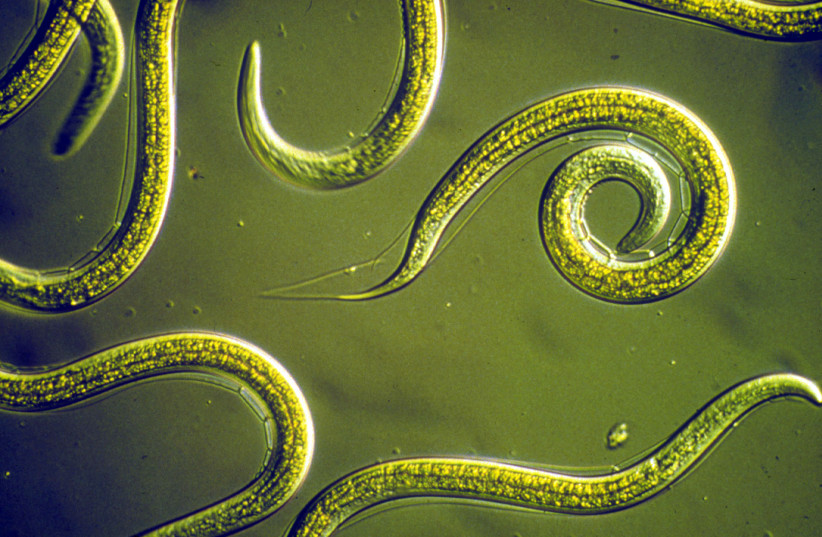
Science News: Scientists revive prehistoric worm that laid dormant for 46,000 years


Scientists revive prehistoric worm that laid dormant for 46,000 years


The ancient nematode survived for 46,000 years in the permafrost by entering a state of cryptobiosis.


Nerve cells in the brain can halt all movement in the body—even breathing

JULY 29, 2023, by U. of Copenhagen

Brainstem projection targets from Chx10-PPN neurons. 
Credit: Nature Neuroscience (2023). DOI: 10.1038/s41593-023-01396-3

When a hunting dog picks up the scent of a deer, it sometimes freezes. On the spot. The same thing can happen to people who need to concentrate on a challenging task.

Now researchers have made a discovery that adds to our knowledge of what happens in the brain when we suddenly stop moving. Their study is published in Nature Neuroscience.

"We have found a group of nerve cells in the midbrain which, when stimulated, stop all movement. Not just walking; all forms of motor activity. They even make the mice stop breathing or breathe more slowly, and the heart rate slow down," explains Professor Ole Kiehn, who is co-author on the study.

"There are various ways to stop movement. What is so special about these nerve cells is that once activated they cause the the movement to be paused or freeze. Just like setting a film on pause. The actors movement suddenly stop on the spot," says Ole Kiehn.

When the researchers ended activating the nerve cells, the mice would start the movement exactly where it stopped. Just like when pressing "play" again.

"This 'pause-and-play pattern' is very unique; it is unlike anything we have seen before. It does not resemble other forms of movement or motor arrest we or other researchers have studied. There, the movement does not necessarily start where it stopped, but may start over with a new pattern," says Ph.D. Haizea GoΓ±i-Erro, who is first author of the study.

The nerve cells stimulated by the researchers are found in the midbrain in an area called the pedunculopontine nucleus (PPN), and they differ from other nerve cells there by expressing a specific molecular marker called Chx10. The PPN is common to all vertebrates including humans. So even though the study was performed in mice, the researchers expect the phenomenon to apply to humans too.

Not related to fear

Some might suggest that the nerve cells are activated by fear. Most people are familiar with the phenomenon of "freezing" caused by extreme fear. But that is not the case.

"We have compared this type of motor arrest to motor arrest or freezing caused by fear, and they are not identical. We are very sure that the movement arrest observe here is not related to fear. Instead, we believe it has something to do with attention or alertness, which is seen in certain situations," says Assistant Professor Roberto Leiras, who is co-author of the study.

The researchers believe it is an expression of a focused attention. However, they stress that the study has not revealed if this is indeed the case. It is something that requires more research to demonstrate.

May help understand Parkinson's symptoms

The new study may be able to help us understand some of the mechanisms of Parkinson's disease.

"Motor arrest or slow movement is one of the cardinal symptoms of Parkinson's disease. We speculate that these special nerve cells in PPN are over-activated in Parkinson's disease. That would inhibit movement. Therefore, the study, which primarily has focused on the fundamental mechanisms that control movement in the nervous system, may eventually help us to understand the cause of some of the motor symptoms in Parkinson's disease," Ole Kiehn concludes.

Among other things, the researchers used optogenetics to stimulate the nerve cells in the brainstem.

In short, optogenetics is a biological technique that involves genetically modifying specific brain cells to make them more sensitive to light. This means that the cells can be activated by a flash of light.

In the study, the researchers were able to stimulate the specific group of nerve cells in mice and thus determine the motor function of these cells.


Recommend this post and follow
The Life of Earth

Avalon Explosion: Life on Earth Didn’t Arise As Described in Textbooks

By U. OF COPENHAGEN JULY 29, 2023


Contrary to previous beliefs, the Avalon explosion, marking the rise of multicellular organisms, wasn’t triggered by increased oxygen levels, according to new research. This study, analyzing ancient rocks, reveals that oxygen levels were lower than today’s when these life forms emerged. This finding challenges existing theories about the origin of life on Earth, suggesting that low oxygen levels might have actually promoted the development of these organisms.

No, oxygen didn’t catalyze the swift blossoming of Earth’s first multicellular organisms. The result defies a 70-year-old assumption about what caused an explosion of oceanic fauna hundreds of millions of years ago.

Between 685 and 800 million years ago, the Avalon explosion — a forerunner era of the more famed Cambrian explosion — marked the emergence of multicellular organisms in Earth’s oceans. Prior to this era, the world was dominated by single-celled amoeba, algae, and bacteria for over 2 billion years. The Avalon explosion saw a sudden surge in biodiversity, with sea sponges and other complex multicellular organisms replacing their simpler, single-celled counterparts.

Previously, it was postulated that this significant leap in evolutionary complexity was triggered by increased oxygen levels. However, this is being disproved by recent research by the University of Copenhagen, in collaboration with the Woods Hole Oceanographic Institute, the University of Southern Denmark, and Lund University, among others.

Challenging Prevailing Views on Oxygen’s Role

By analyzing the chemical composition of ancient rock samples from an Omani mountain range, the researchers have been able to “measure” oxygen concentrations in the world’s oceans from when these multicellular organisms appeared. Defying expectations, the result shows that Earth’s oxygen concentrations had not increased. Indeed, levels remained 5-10 times lower than today, which is roughly how much oxygen there is at twice the height of Mount Everest.

“Our measurements provide a good picture of what average oxygen concentrations were in the world’s oceans at the time. And it’s apparent to us that there was no major increase in the amount of oxygen when more advanced fauna began to evolve and dominate Earth. In fact, there was somewhat of a slight decrease,” says Associate Professor Christian J. Bjerrum, who has been quantifying the conditions surrounding the origin of life for the past 20 years.

Reshaping Our Understanding of Life’s Origins

The new result puts to rest a 70-year research story that advances the centrality of higher oxygen concentrations in the development of more advanced life on our planet.

“The fact that we now know, with a high degree of certainty, that oxygen didn’t control the development of life on Earth provides us with an entirely new story about how life arose and what factors controlled this success,” says the researcher, adding:

“Specifically, it means that we need to rethink a lot of the things that we believed to be true from our childhood learning. And textbooks need to be revised and rewritten.”

There remains much that the researchers don’t know, as well as and a plethora of controversy. Therefore, Bjerrum hopes that the new result can spur other researchers around the world to reconsider their previous results and data in a new light.

“There are many research sections around the world, including in the United States and China, that have done lots of research on this topic, whose earlier results may shed important new details if interpreted on the basis that oxygen didn’t drive the development of life,” says the researcher.

Fossils from Oman

In the new study, the researchers analysed rock samples from, among other places, the Oman Mountains in northern Oman. While quite high and very dry today, the mountains were on the seabed during the Avalon explosion’s rapid blossoming of organism diversity.

The researchers have had their findings confirmed in fossils from three different mountain ranges around the world: the Oman Mountains (Oman), Mackenzie Mountains (NW Canada) and the Yangtze Gorges area of South China.

Over time, clay and sand from land are washed into the sea, where they settle into layers on the seabed. By going down through these layers and examining their chemical composition, researchers can get a picture of ocean chemistry at a particular geologic time.

The analyses were performed using Thallium and Uranium isotopes found in the mountains, which the researchers were able to extract data from, and in doing so, calculate oxygen levels from many hundreds of millions of years ago.

Oxygen Absence: A Catalyst for Life?

So, if not extra oxygen, what triggered the era’s explosion of life? Perhaps the exact opposite, explains the researcher:

“It’s interesting that the explosion of multicellular organisms occurs at a time with low concentrations of atmospheric and oceanic oxygen. That indicates that organisms benefited from lower levels of oxygen and were able to develop in peace, as the water chemistry protected their stem cells naturally,” says Christian J. Bjerrum.

According to the researcher, the same phenomenon has been studied in cancer research, in the stem cells of humans and other animals. Here, colleagues at Lund University observed that low oxygen levels are crucial for keeping stem cells under control until an organism decides that the cell ought to develop into a specific type of cell, such as a muscle cell.

“We know that animals and humans must be able to maintain low concentrations of oxygen in order to control their stem cells, and in so doing, develop slowly and sustainably. With too much oxygen, the cells will develop, and in the worst case, mutate wildly and perish. It is far from inconceivable that this mechanism applied back then,” concludes Christian J. Bjerrum.


Recommend this post and follow
The Life of Earth

Ocean currents vital for distributing heat could collapse by midcentury, study says

JULY 29, 2023, by Drew Costley

The sun rises over fishing boats in the Atlantic Ocean, Sept. 8, 2022, off of Kennebunkport, Maine. A system of ocean currents that carries heat northward across the North Atlantic could collapse during this century, according to a new study, and scientists have said before such a collapse could cause catastrophic sea-level rise and extreme weather across the globe. 
Credit: AP Photo/Robert F. Bukaty, File

A system of ocean currents that transports heat northward across the North Atlantic could collapse by mid-century, according to a new study, and scientists have said before that such a collapse could cause catastrophic sea-level rise and extreme weather across the globe.

In recent decades, researchers have both raised and downplayed the specter of Atlantic current collapse. It even prompted a movie that strayed far from the science. Two years ago the United Nations Intergovernmental Panel on Climate Change said any such catastrophe is unlikely this century. But the new study published in Nature Communications suggests it might not be as far away and unlikely as mainstream science says.

The Atlantic meridional overturning circulation is a vital system of ocean currents that circulates water throughout the Atlantic Ocean, according to the National Oceanic and Atmospheric Administration. It's a lengthy process, taking an estimated 1,000 years to complete, but has slowed even more since the mid-1900s.

A further slowdown or complete halting of the circulation could create more extreme weather in the Northern Hemisphere, sea-level rise on the East Coast of the United States and drought for millions in southern Africa, scientists in Germany and the U.S. have said. But the timing is uncertain.

In the new study, Peter and Susanne Ditlevsen, two researchers from Denmark, analyzed sea surface temperatures in the North Atlantic between 1870 and 2020 as a proxy, meaning a way of assessing, this circulation. They found the system could collapse as soon as 2025 and as late as 2095, given current global greenhouse gas emissions. This diverges from the prediction made by the Intergovernmental Panel of Climate Change in 2021, which said the collapse isn't likely to occur this century.

"There are large uncertainties in this study, in many prior studies, and in climate impact assessment overall, and scientists sometimes miss important aspects that can lead to both over and underprediction of impacts," Julio Friedmann, chief scientist at Carbon Direct, a carbon management company, said in a statement. "Still, the conclusion is obvious: Action must be swift and profound to counter major climate risks."

Stefan Rahmstorf, co-author on a 2018 study on the subject, published an extensive analysis of the Ditlevesen's study on RealClimate, a website that publishes commentary from climate scientists. While he said that a tipping point for the collapse of the Atlantic meridional overturning circulation is "highly uncertain," he also called the IPCC estimate conservative.

"Increasingly the evidence points to the risk being far greater than 10% during this century," he wrote, "...rather worrying for the next few decades."


Recommend this post and follow
The Life of Earth

Saturday, 29 July 2023

Astronomers find high-frequency magnetic waves may play essential role in coronal heating

JULY 28, 2023, by Royal Observatory of Belgium

Full sun observation taken on October 12, 2022 by EUI's Full sun Imager (FSI) and a zoom on the center of the sun taken by its High-Resolution Imager (HRI). The white arrow corresponds to a distance of about 10,000 km. Three smaller structures highlighted with red, blue, and green boxes, show magnetic waves that appear as a transverse motion.
 Credit: Solar Orbiter/EUI Team.

A joint scientific team led by the Royal Observatory of Belgium (ROB) and the KU Leuven has found that high-frequency magnetic waves could play an essential role in keeping the sun's atmosphere at millions of degrees. This finding sheds a new light on the most intriguing solar mystery: what makes the sun's atmosphere hotter than its surface?

One of the long-standing astrophysical puzzles is exactly this coronal heating problem. From a young age, we are taught that temperature decreases as you move away from a heat source, but this is not true for the sun. The sun's only heat source resides in its core. Yet the corona, the outermost layer of the solar atmosphere, is about 200 times hotter than the photosphere, the sun's surface.

Prof. Tom Van Doorsselaere at KU Leuven says, "Over the past 80 years, astrophysicists have tried to solve this problem and now more and more evidence is emerging that the corona can be heated by magnetic waves."

This new insight has been developed from observations by the Extreme Ultraviolet Imager (EUI) telescope onboard Solar Orbiter, a spacecraft of the European Space Agency ESA, that is currently observing the sun from behind.

The EUI telescope, operated by ROB, produces images of the solar corona with unprecedented resolution. Its observations reveal fast oscillations in the smallest magnetic structures of the solar corona, and the energy of these high-frequency waves contributes to the heating of the solar atmosphere. The findings are published in The Astrophysical Journal Letters.

The main question the scientists were asking was whether the energy originating from these new, fast oscillations outweighed the energy coming from similar, but slower oscillations that were already known.

The scientific team performed a meta-analysis, which is a statistical method of using multiple scientific studies to derive common unknown truths. Dr. Daye Lim, lead author, concluded that high-frequency waves give a more significant contribution to the total heating generated by waves than low-frequency waves.

Dr. David Berghmans, the principal investigator of EUI, says, "Since her results indicated a key role for fast oscillations in coronal heating, we will devote much of our attention to the challenge of discovering higher-frequency magnetic waves with EUI."


Recommend this post and follow
The Life of Earth

Chuck's picture corner for the week. πŸ˜ŽπŸžπŸŒΊπŸŒ…

Pictures from the week a little early. 

daylily in the dark

another in the light

water lily in R's pond

another pond resident, one of many

grows everywher

even butterflies like the stuff

overwinter pansy

R's carrot patch

and blue berries just ripening

a peet stop for doggy , heading to Cardinal

black raspberries almost done, jam on the way.

my favorite and latest to arrive daylily

gonna be hot

same with these babes

joy just off the front porch


my cup and saucer hibiscus, and fresh tea almost ready.

Black eyed susans (rudbeckia)

more ready for the table, the first flower of the season is always the best.

tomatoes coming along

a sweet pepper,


Recommend this post and follow
The Life of Earth

New insights into the evolution of the plague pathogen

JULY 26, 2023, by Eva Sittig, Christian-Albrechts-U. zu Kiel

Among others, skeletons found during an excavation at a cemetery in Sejet, Denmark, provided genetic samples for new plague study from Kiel University. 
Credit: Unit of Anthropology, SDU

The origins of the plague go back to the Neolithic Age, with the oldest findings of the causative pathogen Yersinia pestis coming from human bones around 5,000 years old. In the history of the plague, the late antique Justinianic plague from the sixth century and the so-called Black Death of the late Middle Ages stand out.

They were demonstrably caused by Y. pestis, and according to estimates, wiped out up to half the population in parts of Europe. While smaller, regionally limited outbreaks occurred repeatedly over the centuries on different continents, a third plague pandemic occurred from the mid-19th to the beginning of the 20th century.

At first, it mainly affected Asia, with a focus on India, and subsequently spread globally. With around 15 million confirmed deaths, it is one of the deadliest pandemics in human history. The plague continues to occur regionally in the present day and is almost always fatal if not treated quickly with antibiotics.

Over thousands of years, Y. pestis has evolved into numerous strains, via both acquisition and loss of genes. Researchers worldwide are studying the evolution of Y. pestis to find out more about the causes of historical pandemics and the dangers that the plague continues to pose.

In particular, they are investigating the genetic characteristics of the pathogen, which are responsible for transmission, geographical distribution and disease severity, among others. In a new study, a research team from Kiel University and the Max Planck Institute for Evolutionary Biology in PlΓΆn (MPI-EB) has examined ancient and modern Y. pestis genomes ranging from the Neolithic to the modern pandemic.

The researchers led by Dr. Daniel Unterweger, research group leader at the MPI-EB and Kiel University, and Professors Almut Nebel and Ben Krause-Kyora from the Institute of Clinical Molecular Biology (IKMB) at Kiel University learned that Y. pestis must have taken up a new genetic element, known as the YpfΦ prophage, between the Middle Ages and the modern pandemic, which is related to the virulence of the pathogen, i.e., its disease-causing effect.

The prophage produces a protein that strongly resembles certain toxins from other pathogens, for example, the cholera pathogen. The researchers, who contribute to the Kiel Evolution Center (KEC) at Kiel University, among others, recently published their results together with colleagues from the University of Southern Denmark in Odense (SDU) in the journal Proceedings of the Royal Society B: Biological Sciences.

New genetic elements increased the virulence of the pathogen

The Kiel research team obtained the genetic samples thanks to a collaboration with the Department of Forensic Medicine at SDU, which manages skeletal material from various Danish museums. In this specific case, the scientists examined the skeletal remains of 42 persons buried in two Danish parish cemeteries between the 11th and 16th centuries.

The genetic information contained in the samples was sequenced and the Y. pestis genes contained therein were compared with other published genomes dating to the Neolithic, medieval and modern periods.

"Previous research has shown that early in its evolution the pathogen lacked the genetic makeup required for an effective transmission via the flea, which is typical for today's bubonic plague. In the course of its evolution, Y. pestis acquired a remarkable level of virulence, which contributed to the later outbreaks of some of the deadliest pandemics in human history," says Dr. Joanna Bonczarowska, first author of the paper who conducted this research as part of her Ph.D. at the IKMB with support of the International Max-Planck-Research School for Evolutionary Biology (IMPRS).

"In our study, we show that all known Y. pestis strains before the 19th century lacked a certain genetic element, the YpfΦ prophage," says Bonczarowska.

The prophage was likely taken up from the environment through lateral gene transfer. This genetic information influences the virulence of the pathogen, i.e., the severity of the disease resulting from an infection. Y. pestis strains that have the prophage, were shown to require a significantly lower lethal dose compared to those without YpfΦ. This uptake of new genetic elements could thus provide an advantage for Y. pestis during the modern plague pandemic.

How has the increased virulence since the Middle Ages come about?

The mechanisms by which the prophage contributes to the increased virulence of the modern plague pathogen have not yet been researched in detail. Previous studies suggest that such new genetic information can help the pathogen to infect body tissues far away from the original site of infection. In their search for such a mechanism, the Kiel researchers examined all proteins encoded by the new DNA in question. They discovered that one of these proteins is very similar to a toxin known from other pathogens.

"This protein is similar in structure to zonula occludens toxin (ZOT), which facilitates the exchange of harmful substances between infected cells and has a damaging effect on the mucosa and epithelia. This connection was first discovered in the cholera pathogen, where it causes the typical gastroenteritis symptoms," explains Bonczarowska. The Kiel researchers, therefore, want to investigate this ZOT-like protein in Y. pestis more closely in the future, as it offers a plausible explanation for the increased virulence of the plague pathogen in the present and recent past.

Further research into the evolution of the plague and other pathogens

Such a rapid evolution of Y. pestis adds to the pandemic threat it continues to pose. "Acquisition of new genetic elements may bring new symptoms of infection. These misleading signs of illness can make it difficult to diagnose plague in time and thus delay rapid treatment, which is essential for survival," stresses Unterweger. "In addition, some strains of the plague pathogen are already showing resistance to various antibiotics, which further contributes to the great potential danger of this disease," Unterweger continues.

An important aspect of the work is also the newly discovered parallels to other bacterial species, as genetic elements highly similar to YpfΦ, were also found in other bacteria. These findings provide clues to their future evolution towards increased virulence.

Overall, the research results underline that there is a great deal of knowledge to be gained for modern science and medical application in the study of historical disease evolution using aDNA, which goes back hundreds or even thousands of years. "Understanding how the pathogen was able to increase its harmfulness in the past, sometimes by leap evolution, will help us detect new forms of the disease and prevent new pandemics in the future," summarizes Krause-Kyora.


Recommend this post and follow
The Life of Earth