Tuesday, 31 October 2023

Study uncovers hundred-year lifespans for three freshwater fish species in the Arizona desert

Oct. 30, 2023, by U. of Minnesota

A century-old buffalofish from Apache Lake, Arizona. 
Credit: University of Minnesota Duluth

A recent study has found some of the oldest animals in the world living in a place you wouldn't expect: fishes in the Arizona desert. Researchers have found the second genus of animal ever for which three or more species have known lifespans greater than 100 years, which could open the doors to aging studies across disciplines, such as gerontology and senescence (aging) among vertebrates.

The study centers around a series of fish species within the Ictiobus genus, known as buffalofishes. Minnesota has native populations of each of the three species studied: bigmouth buffalo, smallmouth buffalo and black buffalo. The importance of this research is underscored by the fact that these fishes are often misidentified and lumped in with invasive species, like carp, and the fishing regulations in many places, including Minnesota, do not properly protect these species, and what could become a wealth of information about longevity and aging.

This new research from the University of Minnesota Duluth (UMD), recently published in Scientific Reports, was a collaboration between Alec Lackmann, Ph.D., an ichthyologist and assistant professor in the Department of Mathematics and Statistics of the Swenson College of Science and Engineering at UMD; other scientists including from North Dakota State University; and a group of conservation anglers who fish the Apache Lake reservoir in Arizona.

"There is likely a treasure trove of aging, longevity and negligible senescence information within the genus Ictiobus," said Lackmann. "This study brings light to this potential and opens the door to a future in which a more complete understanding of the process of vertebrate aging can be realized, including for humans. The research begs the question: What is the buffalofishes' fountain of youth?"

Lackmann has studied buffalofishes before, and his research from 2019 went so far as to extend the previously thought maximum age of bigmouth buffalo from around 25 years of age to more than 100 years of age by applying and validating a far more refined aging technique than had been used previously. Instead of examining the fish's scale, "you extract what are called the otoliths, or earstones, from inside the cranium of the fish, and then thin-section the stones to determine their age," said Lackmann.

Approximately 97% of fish species have otoliths. They're tiny stone-like structures that grow throughout the fish's lifetime, forming a new layer each year. When processed properly, scientists like Lackmann can examine the otolith with a compound microscope and count the layers, like the rings on a tree, and learn the age of the fish.

Buffalofishes are native to central North America, including Minnesota, but those in this recent study were found in Apache Lake, a reservoir in the desert southwest. Originally reared in hatcheries and rearing ponds along the Mississippi River in the Midwest, the government stocked buffalofishes into Roosevelt Lake (upstream of Apache Lake), Arizona in 1918. While Roosevelt Lake was fished commercially, Apache Lake's fish populations remained largely untouched until anglers recently learned how to consistently catch buffalofishes there on rod-and-line.

When these catch-and-release conservation anglers noticed unique orange and black spots on many of the fish they were catching, they wanted to learn more about the markings, and found Lackmann's previous research. An Arizona angler, Stuart Black, reached out and invited Lackmann to a fishing expedition at Apache Lake, where the fish collected would be donated to science.

By studying the fishes collected at the angling event and analyzing their otoliths for age, Lackmann found that some of the buffalofishes from the 1918 Arizona stocking are likely still alive today, and that most of the buffalofishes in Apache Lake hatched during the early 1920s. More importantly, they discovered that the three different buffalofish species found in the lake had ages more than 100 years. To their knowledge, such longevity across multiple freshwater fish species is found nowhere else in the world.

For Lackmann, there are exciting possibilities for the future of studying this unique group of fish, with far-reaching implications.

"These long-lived species of fishes and individuals could be monitored so that we can further study and understand their DNA, their physiology, their ability to fight infection and disease, and to compare these systems across the continuum of age," said Lackmann. "The genus Ictiobus has potential to prove of high value to the field of gerontology, and Apache Lake could become an epicenter for a variety of scientific research in the future."


Recommend this post and follow
The Life of Earth

Antibiotics for common childhood infections no longer effective in many parts of the world, finds study

Oct. 31, 2023, by U. of Sydney

Dr Phoebe Williams is an Infectious disease specialist working to reduce antimicrobial resistance. In the photo she is working in Kenya. 
Credit: Hamish Gregory.

A new study has found that drugs to treat common infections in children and babies are no longer effective in large parts of the world, due to high rates of antibiotic resistance.

The University of Sydney-led study found many antibiotics recommended by the World Health Organization (WHO) had less than 50% effectiveness in treating childhood infections such as pneumonia, sepsis (bloodstream infections) and meningitis. The findings show global guidelines on antibiotic use are outdated and need updates.

The most seriously affected regions are in Southeast Asia and the Pacific, including neighboring Indonesia and the Philippines, where thousands of unnecessary deaths in children resulting from antibiotic resistance occur each year.

The WHO has declared that antimicrobial resistance (AMR) is one of the top 10 global public health threats facing humanity. In newborns, an estimated three million cases of sepsis occur globally each year, with up to 570,000 deaths. Many of these are due to lack of effective antibiotics to treat resistant bacteria.

The findings, published in The Lancet regional Health—Southeast Asia, add to mounting evidence that common bacteria responsible for sepsis and meningitis in children are often resistant to prescribed antibiotics.

The research reveals the urgent need for global antibiotic guidelines to be updated, to reflect the rapidly evolving rates of AMR. The most recent guideline from The World Health Organization was published in 2013.

The study found that one antibiotic in particular, ceftriaxone, was likely to be effective in treating only one in three cases of sepsis or meningitis in newborn babies. Ceftriaxone is also widely used in Australia to treat many infections in children, such as pneumonia and urinary tract infections.

Another antibiotic, gentamicin, was found likely to be effective in treating fewer than half of all sepsis and meningitis cases in children.


A paediatrc ward in the Philippines. The large 'cohort' signs indicate all the babies present are sick with multi-drug resistant infections. 
Credit: Phoebe Williams.

Gentamicin is commonly prescribed alongside aminopenicillins, which the study showed also has low effectiveness in combating bloodstream infections in babies and children.

Lead author Dr. Phoebe Williams from the University's School of Public Health and Sydney Infectious Diseases Institute is an infectious disease specialist whose research focuses on reducing AMR in high-burden health care settings in Southeast Asia. She also works as a clinician in Australia. Dr. Williams says there are increasing cases of multidrug-resistant bacterial infections in children around the world.

AMR is more problematic for children than adults, as new antibiotics are less likely to be trialed on and made available to children. Dr. Williams says the study should be a wake-up call for the whole world, including Australia.

"We are not immune to this problem—the burden of anti-microbial resistance is on our doorstep," she said. "Antibiotic resistance is rising more rapidly than we realize. We urgently need new solutions to stop invasive multidrug-resistant infections and the needless deaths of thousands of children each year."

The study analyzed 6,648 bacterial isolates from 11 countries across 86 publications to review antibiotic susceptibility for common bacteria causing childhood infections.

A paediatrc ward in the Philippines. The large 'cohort' signs indicate all the babies present are sick with multi-drug resistant infections. 
Credit: Phoebe Williams.


Dr. Wiliams said that the best way to tackle antibiotic resistance in childhood infections is to make funding to investigate new antibiotic treatments for children and newborns a priority.

"Antibiotic clinical focus on adults and too often children and newborns are left out. That means we have very limited options and data for new treatments," she noted.

Dr. Williams is currently looking into an old antibiotic, fosfomycin, as a temporary lifeline to treat multidrug-resistant urinary tract infections in children in Australia.

She is also working with the WHO's Pediatric Drug Optimization Committee to ensure children have access to antibiotics to treat multidrug-resistant infections as soon as possible, to reduce deaths due to AMR among children.

"This study reveals important problems regarding the availability of effective antibiotics to treat serious infections in children," says senior author Paul Turner, director of the Cambodia Oxford Medical Research Unit at Angkor Hospital for Children, Siem Reap and professor of pediatric microbiology at the University of Oxford, UK. "It also highlights the ongoing need for high quality laboratory data to monitor the AMR situation, which will facilitate timely changes to be made to treatment guidelines."


Recommend this post and follow
The Life of Earth

"Game Changer for Vitamin D” – Supplementation Found To Improve Cancer Survival

By BOSTON U. SCHOOL OF MEDICINE, Oct. 30, 2023


“Game changer for the field of vitamin D as it relates to cancer”

For more than 100 years, it has been believed that sunlight and vitamin D deficiency were associated with the risk for many deadly cancers including colorectal, prostate, and breast. Despite this, some scientists have remained doubtful about whether this nutrient indeed has any benefit in reducing cancer risk, morbidity, and mortality. This skepticism is bolstered by several randomized controlled trials casting doubt on the nutrient’s effectiveness.

Commentary on Vitamin D’s Effect on Cancer

However, in a new commentary published in the journal JAMA Network Open, Michael F. Holick, Ph.D., MD, professor of medicine, pharmacology, physiology & biophysics, and molecular medicine at Boston University Chobanian & Avedisian School of Medicine, explores the controversy as to whether improving vitamin D status has any benefit for reducing the risk of developing cancer as well as improving relapse-free and mortality outcomes.

He believes the results of the Kanno et al. study support the significant body of associated evidence and clinical studies concluding that improvement in vitamin D status through vitamin D supplementation can be an effective strategy for improving survival outcomes of cancers, especially of the digestive tract including colorectal cancer.

Factors Influencing Vitamin D’s Effect on Cancer

“We now recognize that there are a variety of variables that can influence how vitamin D prevents and responds to cancer. For example, being at a normal weight and taking vitamin D improves your ability to survive cancer. Other factors include the patient’s genetic makeup and how the patient utilizes and breaks down vitamin D,” explains Holick, corresponding author of the piece.

The study by Kanno et. al. provides further insight. The p53 gene produces the p53 protein to prevent cells from becoming malignant. Cancer cleverly mutates this gene and the mutated p53 protein helps the cancer to grow and become immune to cancer therapy. Kanno et. al. found that patients whose immune system is on high alert and produces antibodies to control the production and release of this mutated p53 protein were more likely, by more than 2.5 fold, to improve their chances of surviving the cancer if they also took daily 2000 IUs vitamin D3 compared to patients who had the antibodies but did not take vitamin D supplementation. Those patients who did not produce the antibodies received no survival benefit by taking the vitamin D supplement.”

Future Directions in Research

Holick believes it would be worthwhile to conduct a retrospective analysis for serum p53 antibodies and the immunohistochemical presence for p53 in histologic cancer samples of breast, prostate, and other cancer studies that found no benefit when they evaluated the potential impact of vitamin D supplementation on improving cancer survival.

More importantly, Holick believes future studies evaluating vitamin D supplementation for the prevention and improvement of cancer outcomes should now include not only many of the variables mentioned above, but also include a measurement for p53 antibodies in the blood and immunohistochemical presence of p53 in cancer tissue samples.

Dosage and Implications

According to Holick, it is important to recognize that most of the studies that have shown that vitamin D3 supplementation improves cancer survival provided patients with at least 2000 IUs vitamin D3. This amount of vitamin D3 substantially improves the vitamin D status (serum concentration of 25-hydroxyvitamin D) to a concentration above 30 ng/mL. This amount of vitamin D3 was not reported to cause any toxicity

“It is well-documented that in order to achieve a circulating concentration of 25(OH)D above 30 ng/mL requires a vitamin D intake of at least 2000 IUs daily, an amount that cannot be achieved from diet alone but requires vitamin D supplementation. Although vitamin D is the sunshine vitamin you cannot get enough vitamin D from sun exposure unless you expose more than 20% of your body surface to sunlight almost daily like the Maasai and Hazda do in equatorial Africa,” said Holick.


Recommend this post and follow
The Life of Earth

Health and Wellness News: Ice cream, snacks just as addictive as cocaine and heroin - study


Ice cream, snacks just as addictive as cocaine and heroin - study


Study finds that processed foods are just as addictive as hard drugs, raising calls for awareness and action on the addictive properties and health risks of everyday snacks.


Researchers have discovered an alarming truth - some people are addicted to snacks in the same way that others are addicted to nicotine, cocaine, or heroin. 

A recent analysis of 281 studies conducted across 36 countries has revealed that 14% of adults are addicted to sweets and snacks. This addiction is not merely a craving but a genuine dependence on processed foods. 

The study, led by University of Michigan's Ashley Gearhardt, utilized the Yale Food Addiction Scale to diagnose food addiction, applying the same criteria used to identify substance addiction.

The researchers found that processed foods, including hot dogs, ice cream, cookies, sodas, and sugary cereals, have previously been linked to cognitive decline, cancer, psychological distress, and even premature death

"The combination of refined carbohydrates and fats often found in [ultra-processed foods] seems to have a supra-additive effect on brain reward systems, above either macronutrient alone, which may increase the addictive potential of these foods," wrote Gearhardt and the study's authors in their new study, published in The BMJ. Furthermore, researcher Chris van Tulleken highlighted the addictive nature of processed foods, stating that many processed foods are addictive, and food addiction is primarily associated with these products. 

Why are we addicted to junk food?

While the exact cause of this addiction remains uncertain, experts believe it may be a combination of factors rather than a single component, unlike nicotine in tobacco. Natural foods tend to contain either higher levels of carbohydrates or fats, but not both. In contrast, processed foods contain disproportionately high levels of both. For instance, an apple has 55 calories of carbohydrates and less than 2 calories of fat, while a chocolate bar contains 237 calories of carbohydrates and 266 calories of fat.

  (credit: SHUTTERSTOCK)
                      Donut addiction (credit: SHUTTERSTOCK)

Previous research has shown that sugary or fatty foods make healthier alternatives less appealing, leading to overeating and weight gain. Highly processed foods trigger a dopamine surge followed by a sudden drop, creating an endless cycle of cravings, consumption, and temporary satisfaction, similar to the experiences of individuals addicted to alcohol or drugs. The study also noted that food additives could enhance the addictive effects of processed foods, although not everyone may be susceptible to their addictive properties. 

Scientists concerned about the health hazards associated with processed foods suggest that some products should come with addiction warnings, similar to cigarettes, as these items are ubiquitous in our society. Moderation is key, with experts recommending that no more than 10% to 20% of our daily calorie intake should come from processed foods, according to Healthline. To minimize consumption, van Tulleken advises people to question whether certain products can truly be considered food.

                                                            Severe Donut Addiction


Monday, 30 October 2023

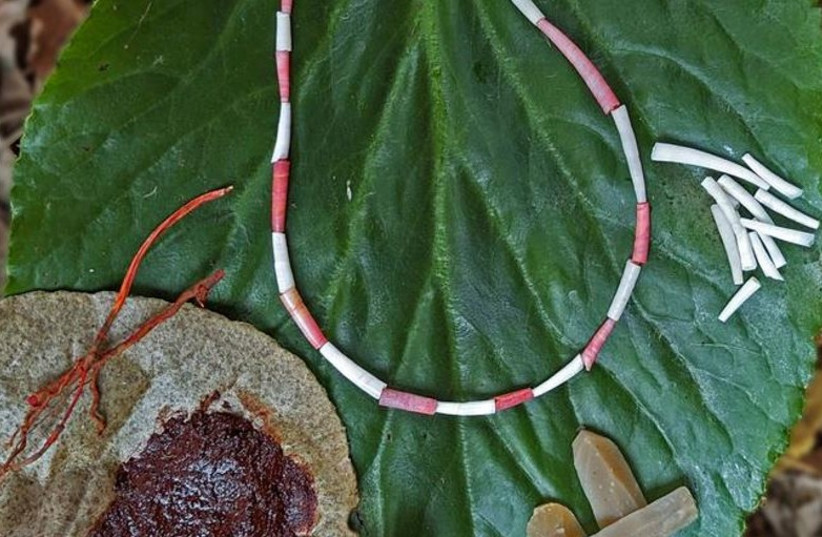
Archaeology News: 15,000-year-old red-shell beads earliest example of organic red pigment use

15,000-year-old red-shell beads earliest example of organic red pigment use


The finds were made in the Kebara cave on Mount Carmel near Haifa.


Decorating the living space, body, and clothes with color has been practiced for thousands of years. While the habitual use of red mineral pigments like iron-oxide (ochre) by anatomically modern humans is believed to have started in Africa about 140,000 years ago, the earliest documentation of the use of organic plant or animal-based red pigments is known only from 6,000 years ago. 

But now, archaeologists at the Hebrew University of Jerusalem’s Institute of Archaeology and the Sorbonne and the Conservatoire National des Arts et Métiers (CNAM) report the oldest reliable evidence of organic red pigment use 15,000 years ago in the Early Natufian Era in the Kebara cave on Mount Carmel near Haifa. These were the first sedentary hunter-gatherers in the Levant. 

Analyses using Scanning electron microscopy (SEM) and energy dispersive X-ray spectroscopy (EDS), together with Raman Spectroscopy analyses of 10 red-stained shell beads enabled the team to detect and describe the use of a colorant made of Rubiaceae plant roots to color personal adornments there. 

Map of the distribution of Early Natufian sites in the Levant; B: Detailed map of the region of Kebara cave in the Southern Levant with the position of the shoreline (Dr Laurent David/Wikimedia Commons)

They wrote that their findings added a previously unknown behavioral aspect of Natufian societies – namely a well-established tradition of non-dietary plant processing at the beginning of the sedentary lifestyle. Through a combined multidisciplinary approach, their study “broadens the perspectives on the ornamental practices and the operating chains of pigmenting materials during a crucial period in human history.

The team added that the perception by humans of the red color greatly influences their affective, cognitive, and behavioral responses in achievement, affiliation, and attraction contexts. A red effect is found to be most prominent in males, because wearing red enhances one’s dominance, aggressiveness, and testosterone level, facilitating competitive positive outcomes, they continued. 

The use of red organic pigments of plant or animal origin, which are brighter, “purer,” and stronger in tinting power than inorganic pigments – and therefore more attractive to human eyes – was thought to appear only much later, about 6,000 years ago. Only in the mid-19th century CE were synthetic pigments invented.  

Red ochre served various purposes, from symbolic and ritual displays to utilitarian or functional uses, depending on the context.  Many of these were recognized in the Natufian archaeological culture, which marked the transition from hunter-gatherer Palaeolithic societies into fully-fledged agricultural economies of the Neolithic era, they wrote. 

The Natufians were the first hunter-gatherers to adopt a sedentary lifestyle, a dramatic economic and societal change associated with growing social complexity as reflected also in various aspects of their material culture involving red ochre. Dead bodies were wrapped in textiles colored with the dye or bones that were decorated once the body was decomposed. As for their art, human- and animal-like figurines or decorated objects with incised geometric patterns were decorated with ochre – and personal adornments with thousands of shell, bone, and tooth beads were as well. 

The Kebara cave is located on the western slope of Mount Carmel about 60 meters above sea level and about 2.5 km from the current shoreline of the Mediterranean Sea (but about eight to 13 km 15,000 years ago when the sea level was about 80 m lower than today 

Constitutional challenge of Ontario's agriculture 'gag' laws to kick off in Toronto courtroom

Abby O'Brien, CTV News Toronto
Published Monday, October 30, 2023
https://www.cp24.com/news/constitutional-challenge-of-ontario-s-agriculture-gag-laws-to-kick-off-in-toronto-courtroom-1.6622549

Sows are kept in small metal crates, side by side. (W5)

A court battle over Ontario legislation that prevents the undercover filming of factory farms and the animals kept on them is set to kick off in Toronto Monday morning.

The application, to be heard on Oct. 30 and Nov. 1 by Superior Court of Justice Judge Markus Koehnen, is seeking to overturn the Security from Trespass and Animal Safety Act, a set of laws passed in 2020 that increased fines for people who trespass on Ontario farms and made it illegal to obstruct trucks carrying animals to such farms.

Launched by advocacy group Animal Justice, alongside journalists and activists Jessica Scott-Reid and Louise Jorgensen, in 2021, the constitutional challenge argues that the Act violates the Canadian Charter of Rights and Freedoms.

“We believe it violates section 2B [..] which guarantees the right to freedom of expression,” Camille Labchuk with Animal Justice, told CTV News Toronto on Sunday.

“The right to free expression allows you to see what you want and not be censored, but it also allows the right to freely receive information as a member of the public, and we say, in this case, the government is imposing limits on those rights.”

The group is also challenging the section of the law that imposes fines on those who interact with farm animals on trucks, which in turn can limit the ability of journalists or activists to document those animals, it argues.

“Those are powerful images,” Labchuk said. “They make a real impact on the public and they deserve to be seen.”

CTV News Toronto has reached out to the Ministry of the Attorney General, listed as respondents in the application but it did not respond before publication. In a response to Animal Justice’s application filed with the courts, it denied claims that the charter props up the right to hold demonstrations or obtain footage on private property.

“Contrary to the Applicants’ claim, section 2(b) does not embrace a right to conscript private property, including animals, belonging to others in expressive efforts,” the document reads.

When Ontario passed the Security from Trespass and Animal Safety Act, the then-Minister of Agriculture in 2020, Food and Rural Affairs, Ernie Hardeman, said the law would serve to protect farmers on their property.

"Individuals would never tolerate having strangers unlawfully enter their homes and to be threatened and harassed by those strangers. Farmers are no different and deserve the same protection under the law," Hardeman said.

But others have sounded alarm bells on the measures, identifying the Act as what’s commonly known as an agricultural gag law, or an ‘ag-gag’ law, explained Labchuk.

Ag-gag laws, originating in the United States in the early 1990s, are designed to restrict the gathering and circulation of information that show the conditions in which farmed animals are raised, transported, and slaughtered. They were a direct result of undercover farm investigations beginning to be aired on nightly news, upsetting viewers, explained Labchuk.

“It's very, very difficult to get information on farm animals kept on private property behind closed doors,” Labchuk said.

To further limit that ability is to infringe upon rights, she argues.

“It's a really, really valuable form of expression, exactly the kind that the charter wants to promote,” she said.

Labchuk underlines that there are virtually no other industries, in Canada or the United States, that such laws apply to, “not a single one.”

W5 UNDERCOVER FOOTAGE

In November 2020, CTV News’ W5 published an extensive investigation into an Ontario pig farm using video footage obtained by an undercover worker.

The footage revealed disturbing images of farm workers forcefully slapping and hitting pigs with plastic boards, and jabbing them with pens.

Other filmed incidents include workers discussing how pregnant sows had been deprived of drinking water for several days, workers castrating male piglets without the use of painkillers and filthy conditions in the barn.

The farm in question, Paragon Farms, said in a statement given to W5 at the time that it had immediately inspected the barn and “welcomed an inspection [by] Animal Welfare Services" within hours of being notified of the allegations.

W5’s investigation came just weeks before Ontario's Security from Trespass and Protecting Food Safety Act passed and came into effect, making it one of the last legal undercover investigations carried out on a large scale at an Ontario farm. In 2023, the farm’s parent entities, Ontario Management Group Inc. and Great Lakes Pork Inc., pleaded guilty to two offences under the Provincial Animal Welfare Act.

A THREAT TO JOURNALISTS, PUBLIC INQUIRY: EXPERT

While many following this case come at the issue from the realm of animal advocacy, the consequences of Ontario’s ag-gag laws have consequences that expand past animal welfare.

“There are other unanticipated consequences to this type of careless legislation,” associate professor at the University of Waterloo’s Faculty of Law Sam Trosow told CTV News Toronto.

“It really constrains the ability of people to engage in fact-finding,” Trusow, who was also recently elected to London, Ont.’s city council, said in an interview on Sunday.

Monday’s constitutional challenge should be of particular concern to journalists and anyone tasked with disseminating information, he said, warning that the effect on public inquiry could be “troubling.”

In June 2020, Trusow gave a testimony at the Ontario legislature to a committee tasked with reviewing the implications of the Security from Trespass and Animal Safety Act. In it, he argued the information that stands to be gathered at factory farms “promotes public awareness about our food supply” and provides “health and environmental researchers with crucial data.” He also argued that protection is afforded to Farmers under the Trespass to Property Act.

“There is a long history of media accounts based on whistle-blower-generated information that has had profound effects on public awareness, the generation of law, and the practices in the industry,” he said to the committee.

The hearing is set to begin at 10 a.m. at the Ontario Superior Court of Justice in downtown Toronto. Animal Justice is holding a rally at 12:30 p.m. outside of the courthouse.


Recommend this post and follow
The Life of Earth

Don't toss those pumpkin seeds

Oct. 29, 2023, by B. Intermill, Tribune News Service

Credit: Pixabay/CC0 Public Domain

It all started with a question from a reader in Missouri: "Can pumpkin seeds minimize an overactive bladder? Is it better to eat ground-up pumpkin seeds or whole seeds? How much is advisable?"

Sure enough, there is evidence that pumpkin seeds—more specifically the oil in pumpkin seeds—may help treat what is known as overactive bladder syndrome (OAB).

This condition affects men and women alike, according to a 2018 review in the journal Current Urology. Along with medications and other treatment strategies, these experts also recommend people with this condition to stop smoking, get their weight down, and avoid alcohol, caffeine and acidic foods.

Where do pumpkin seeds come in? The natural oil in pumpkin seeds is rich in compounds called phytosterols. These and other substances in pumpkin seeds have shown promise in the treatment of OAB, according to a 2019 review published in Food Reviews International.

Besides its healthful oil, pumpkin seeds possess other nutritional benefits. The Linus Pauling Institute at Oregon State University lists pumpkins seeds as a good source of iron—a vital nutrient that supports our immune system. These experts also specifically recommend pumpkin seeds as a quality source of magnesium, a mineral we need to fortify our nerves, muscles and bones.

Pumpkin seeds may also provide some relief for men with an enlarged prostate gland, a condition sometimes related to OAB. While good studies on this are few, there have been at least two randomized, placebo-controlled trials using pumpkin seed extract to treat the symptoms of an enlarged prostate.

A 2022 analysis of these studies in the journal Clinical Phytoscience concluded that patients with this condition "may benefit" from 500 mg of pumpkin seed extract two times a day.

Ground or whole? You'll get the beneficial ingredients in pumpkin seeds either way. And if you eat the entire seeds rather than just the oil, you'll get the added benefits of dietary fiber and other nutrients that reside naturally in the seed.

A daily serving of pumpkin seeds is about 1/4 cup (30 grams). This may be a good place to start unless you've been advised otherwise. As always, the complete nutrition in seeds is usually better (and safer) than to buy isolated oils in supplements. So if you haven't yet tossed the seeds from your pumpkins, here's how to roast them, compliments of Country Living magazine:

Place pumpkin seeds and pulp in a big bowl of water and stir. The seeds will float to the top and the pulp will sink to the bottom. Carefully transfer the seeds to a paper towel-lined plate or baking sheet. Pat dry. Toss seeds with oil and light seasonings and roast at 350 degrees until crisp (about 15 minutes).


Recommend this post and follow
The Life of Earth

Scientists Discover Hidden Way for Us To Feel Touch

By IMPERIAL COLLEGE LONDON, Oct. 29, 2023
Imperial College London researchers discover hair follicles have a unique mechanism to sense touch, releasing neurotransmitters in response. This may shed light on inflammatory skin conditions like eczema.

Researchers from Imperial College London have uncovered a hidden mechanism within hair follicles that allow us to feel touch.

Before this discovery, it was widely believed that touch was sensed solely through nerve endings in the skin and around hair follicles. However, this recent study reveals that cells inside the hair follicles – the entities enveloping the hair strand – can also sense touch in cell cultures.

The researchers also found that these hair follicle cells release the neurotransmitters histamine and serotonin in response to touch – findings that might help us in the future to understand histamine’s role in inflammatory skin diseases like eczema.

The Unexpected Role of Hair Follicles

Lead author of the paper Dr Claire Higgins, from Imperial’s Department of Bioengineering, said: “This is a surprising finding as we don’t yet know why hair follicle cells have this role in processing light touch. Since the follicle contains many sensory nerve endings, we now want to determine if the hair follicle is activating specific types of sensory nerves for an unknown but unique mechanism.”

A Touchy Subject

We feel touch using several mechanisms: sensory nerve endings in the skin detect touch and send signals to the brain; richly innervated hair follicles detect the movement of hair fibers; and sensory nerves known as C-LTMRs, that are only found in hairy skin, process emotional, or ‘feel-good’ touch.

Now, researchers may have uncovered a new process in hair follicles. To carry out the study, the researchers analyzed single-cell RNA sequencing data of human skin and hair follicles and found that hair follicle cells contained a higher percentage of touch-sensitive receptors than equivalent cells in the skin.

They established co-cultures of human hair follicle cells and sensory nerves, then mechanically stimulated the hair follicle cells, finding that this led to activation of the adjacent sensory nerves.

Neurotransmitters in Touch Perception

They then decided to investigate how the hair follicle cells signaled to the sensory nerves. They adapted a technique known as fast scan cyclic voltammetry to analyze cells in culture and found that the hair follicle cells were releasing the neurotransmitters serotonin and histamine in response to touch.

When they blocked the receptor for these neurotransmitters on the sensory neurons, the neurons no longer responded to the hair follicle cell stimulation. Similarly, when they blocked synaptic vesicle production by hair follicle cells, they were no longer able to signal to the sensory nerves.

They therefore concluded that in response to touch, hair follicle cells release that activate nearby sensory neurons.

The researchers also conducted the same experiments with cells from the skin instead of the hair follicle. The cells responded to light touch by releasing histamine, but they didn’t release serotonin.

Dr Higgins said: “This is interesting as histamine in the skin contributes to inflammatory skin conditions such as eczema, and it has always been presumed that immune cells release all the histamine. Our work uncovers a new role for skin cells in the release of histamine, with potential applications for eczema research.”

Looking Forward

The researchers note that the research was performed in cell cultures, and will need to be replicated in living organisms to confirm the findings. The researchers also want to determine if the hair follicle is activating specific types of sensory nerves. Since C-LTMRs are only present within hairy skin, they are interested to see if the hair follicle has a unique mechanism to signal to these nerves that we have yet to uncover.


Recommend this post and follow
The Life of Earth

Sunday, 29 October 2023

Chuck's picture corner Oct. 29, 2023, ☕⛄🌚

The colours of fall, plus a few. ☕⛄🌚


I can't seem to keep the right rotation, or use blogger to rotate the pics, you will just have to crank your neck, lol


Our basement project this week.

Rachelle one Halloween

my office at home, sitting next to the west window, at my desk


Enjoy my pics and 
have a joyous Sunday

Bringing a shark to a knife fight: 7,000-year-old shark-tooth knives discovered in Indonesia

by M. Langley, A. Brumm, A. Oktaviana, A. Duli and B. Burhan,
The Conversation, Oct. 27, 2023,

Credit: Pixabay/CC0 Public Domain

Excavations on the Indonesian island of Sulawesi have uncovered two unique and deadly artifacts dating back some 7,000 years—tiger shark teeth that were used as blades.

These finds, reported in the journal Antiquity, are some of the earliest archaeological evidence globally for the use of shark teeth in composite weapons—weapons made with multiple parts. Until now, the oldest such shark-tooth blades found were less than 5,000 years old.

Our international team used a combination of scientific analysis, experimental reproduction and observations of recent human communities to determine that the two modified shark teeth had once been attached to handles as blades. They were most likely used in ritual or warfare.

7,000-year-old teeth

The two shark teeth were recovered during excavations as part of a joint Indonesian-Australian archaeological research program. Both specimens were found in archaeological contexts attributed to the Toalean culture—an enigmatic foraging society that lived in southwestern Sulawesi from around 8,000 years ago until an unknown period in the recent past.

The shark teeth are of a similar size and came from tiger sharks (Galeocerda cuvier) that were approximately two meters long. Both teeth are perforated.

A complete tooth, found at the cave site of Leang Panninge, has two holes drilled through the root. The other—found at a cave called Leang Bulu' Sipong 1—has one hole, though is broken and likely originally also had two holes.

Microscopic examination of the teeth found they had once been tightly fixed to a handle using plant-based threads and a glue-like substance. The adhesive used was a combination of mineral, plant and animal materials.

The same method of attachment is seen on modern shark-tooth blades used by cultures throughout the Pacific.

Examination of the edges of each tooth found they had been used to pierce, cut and scrape flesh and bone. However, far more damage was present than a shark would naturally accrue during feeding.

While these residues superficially suggest Toalean people were using shark-tooth knives as everyday cutting implements, ethnographic (observations of recent communities), archaeological and experimental data suggest otherwise.

Why use shark teeth?

Not surprisingly, our experiments found tiger shark-tooth knives were equally effective in creating long, deep gashes in the skin when used to strike (as in fighting) as when butchering a leg of fresh pork.

Indeed, the only negative aspect is that the teeth blunt relatively quickly—too quickly to make their use as an everyday knife practical.

This fact, as well as the fact shark teeth can inflict deep lacerations, probably explains why shark-tooth blades were restricted to weapons for conflict and ritual activities in the present and recent past.

Shark-tooth blades in recent times

Numerous societies across the globe have integrated shark teeth into their material culture. In particular, peoples living on coastlines (and actively fishing for sharks) are more likely to incorporate greater numbers of teeth into a wider range of tools.

Observations of present-day communities indicate that, when not used to adorn the human body, shark teeth were almost universally used to create blades for conflict or ritual—including ritualized combat.

For example, a fighting knife found throughout north Queensland has a single long blade made from approximately 15 shark teeth placed one after the other down a hardwood shaft shaped like an oval, and is used to strike the flank or buttocks of an adversary.

Weapons, including lances, knives and clubs armed with shark teeth are known from mainland New Guinea and Micronesia, while lances form part of the mourning costume in Tahiti.

Farther east, the peoples of Kiribati are renowned for their shark-tooth daggers, swords, spears and lances, which are recorded as having been used in highly ritualized and often fatal conflicts.

Shark teeth found in Maya and Mexican archaeological contexts are widely thought to have been used for ritualized bloodletting, and shark teeth are known to have been used as tattooing blades in Tonga, Aotearoa New Zealand, and Kiribati.

In Hawai'i, so-called "shark-tooth cutters" were used as concealed weapons and for "cutting up dead chiefs and cleaning their bones preparatory to the customary burials".

Other shark tooth archaeological finds

Almost all shark-tooth artifacts recovered globally have been identified as adornments, or interpreted as such.

Indeed, modified shark teeth have been recovered from older contexts. A solitary tiger shark tooth with a single perforation from Buang Merabak (New Ireland, Papua New Guinea) is dated to around 39,500–28,000 years ago. Eleven teeth with single perforations from Kilu (Buka Island, Papua New Guinea) are dated to around 9,000–5,000 years ago. And an unspecified number of teeth from Garivaldino (Brazil) is dated to around 9,400–7,200 years ago.

However, in each of these cases the teeth were likely personal ornaments, not weapons.

Our newly described Indonesian shark tooth artifacts, with their combination of modifications and microscopic traces, instead indicate they were not only attached to knives, but very likely linked to ritual or conflict.

Whether they cut human or animal flesh, these shark teeth from Sulawesi could provide the first evidence that a distinctive class of weaponry in the Asia-Pacific region has been around much longer than we thought.

Recommend this post and follow
The Life of Earth

Zoom vs Reality – Scientists Uncover Astonishing Differences in Brain Activity

By YALE U. , Oct. 28, 2023

A recent study found that in-person conversations lead to more pronounced neural activity than Zoom conversations, emphasizing the neurological significance of face-to-face interactions in social behaviors. 
Credit: Image created with generative AI (Michael S. Helfenbein)

A recent study discovered that neural activity during online interactions is significantly reduced compared to when people converse face-to-face.

When Yale neuroscientist Joy Hirsch used advanced imaging tools to monitor brain activity between two individuals engaged in conversation in real-time, she discovered an intricate choreography of neural activity in areas of the brain that govern social interactions. However, when she conducted similar tests using the popular video conferencing tool Zoom, she observed a much different neurological landscape.

Neural signaling during online exchanges was substantially suppressed compared to activity observed in those having face-to-face conversations, researchers found.

The findings were recently published in the journal Imaging Neuroscience.
Zoom vs. In-Person: A Comparative Study

“In this study, we find that the social systems of the human brain are more active during real live in-person encounters than on Zoom,” said Hirsch, the Elizabeth Mears and House Jameson Professor of Psychiatry, professor of comparative medicine and neuroscience, and senior author of the study. “Zoom appears to be an impoverished social communication system relative to in-person conditions.”

Social interactions are the cornerstone of all human societies, and our brains are finely tuned to process dynamic facial cues (a primary source of social information) during real in-person encounters, researchers say. While most previous research using imaging tools to track brain activity during these interactions has involved single individuals, Hirsch’s lab developed a unique suite of neuroimaging technologies that allows them to study, in real-time, interactions between two people in natural settings.

Findings and Implications

For the new study, Hirsch’s team recorded the neural system responses in individuals engaged in live, two-person interactions, and in those involved in two-person conversations on Zoom, the popular video conferencing platform now used by millions of Americans daily.

They found that the strength of neural signaling was dramatically reduced on Zoom relative to “in-person” conversations. Increased activity among those participating in face-to-face conversations was associated with increased gaze time and increased pupil diameters, suggestive of increased arousal in the two brains. Increased EEG activity during in-person interactions was characteristic of enhanced face processing ability, researchers said.

In addition, the researchers found more coordinated neural activity between the brains of individuals conversing in person, which suggests an increase in reciprocal exchanges of social cues between the interacting partners.

“Overall, the dynamic and natural social interactions that occur spontaneously during in-person interactions appear to be less apparent or absent during Zoom encounters,” Hirsch said. “This is a really robust effect.”

These findings illustrate how important live, face-to-face interactions are to our natural social behaviors, Hirsch said.

“Online representations of faces, at least with current technology, do not have the same ‘privileged access’ to social neural circuitry in the brain that is typical of the real thing,” she said.


Recommend this post and follow
The birth of modern Man

Archaeology News: The enigmatic 'Ancient Alien Library' concealed beneath the Great Sphinx

 

The enigmatic 'Ancient Alien Library' concealed beneath the Great Sphinx


Researchers raise questions about the existence of an advanced society or the involvement of extraterrestrials in the creation of this enigmatic library.