Friday, 30 June 2023

Mouse study shows how diet altered by gut microbes spurs development of immune cells

JUNE 28, 2023, by Christy Brownlee, Harvard Medical School

Credit: Pixabay/CC0 Public Domain

The notion that diet and health are inextricably linked is hardly novel. For millennia, people have known that poor nutrition is responsible for many health problems. But the precise mechanisms that explain just how diet alters the function of our cells, tissues, and organs have remained poorly understood.

Now, a study led by Harvard Medical School researchers sheds light on this process, pinpointing a critical intermediary between food and health—the gut bacteria that make up our microbiome, or the collection of microorganisms that live in symbiosis with humans.

The work, which was conducted in mice and published June 28 in Nature, shows that gut microbes feast on common fatty acids such as linoleic acid and convert them to conjugated linoleic acid (CLA). This byproduct then serves as a signal for a biological cascade that ultimately spurs a specific type of immune system to develop and reside in the small intestine.

In the study, the researchers observed that mice in whom this cascade was interrupted more readily succumbed to a common foodborne pathogen.

The findings, the team said, detail an intricate interplay between gut microbes, food, and immunity. They also underscore the importance of understanding how individual microbial species in the gut could alter specific organ functions and exercise important effects on health.

"The triad of diet-microbes-immune system has attracted considerable attention, with a paucity of detail to demonstrate how these three components work together," said study senior author Dennis Kasper, the William Ellery Channing Professor of Medicine at Brigham and Women's Hospital and professor of immunology in the Blavatnik Institute at Harvard Medical School. "We have found one of the clearest demonstrations here of a mechanism underlying how diet and the microbiome build the immune system."

In the new study, Kasper worked in collaboration with Xinyang Song, a former postdoctoral researcher in the Kasper lab, now a principal investigator at the University of Chinese Academy of Sciences; and colleagues from HMS, Massachusetts General Hospital, Tufts University, and the UMass Chan Medical School.

The team initially noticed that germ-free mice—a common lab model that is not naturally colonized by microorganisms, and thus has no microbiome—were missing a subset of immune cells known as CD4+CD8aa+ intraepithelial lymphocytes (IELs), which normally reside in a specific part of the small intestine.

Interestingly, mice that were not germ-free but ate a minimal diet composed of just the essential nutrients to keep them alive were also deficient in these cells. However, CD4+CD8aa+ IELs were present in non-germ-free mice fed a typical rich commercial diet composed of many different nutrients.

Suspicious that an interplay between diet and the microbiome might be responsible for the presence or absence of CD4+CD8aa+ IELs, the researchers examined which nutrients were lacking from the minimal diet, eventually homing in on various fatty acids. After feeding individual fatty acids to mice on minimal diets with typical microbiomes, they discovered that animals that ate a long-chain fatty acid known as linoleic acid began growing CD4+CD8aa+ IELs in their small intestines.

Kasper explained that many bacteria that reside in the gut produce an enzyme called linoleic acid isomerase (LAI) that converts linoleic acid into a conjugated form, with some linoleic acid double- and single-chemical bonds rearranged. Further investigation showed that CLA—the conjugated form of linoleic acid—was abnormally low both in mice with a typical microbiome fed a minimal diet or in germ-free mice fed a rich diet, suggesting that bacteria were necessary to convert linoleic acid into CLA.

When the researchers colonized germ-free mice with bacteria that produced LAI and fed them a rich diet, these animals developed CD4+CD8aa+ IELs in their small intestines. Conversely, when the researchers colonized them with bacteria that had been genetically modified to not produce LAI, they did not develop these immune cells, showing that CLA produced by this bacterial enzyme was essential for these immune cells to grow.

Further investigation revealed a more complete mechanism behind why CLA spurred CD4+CD8aa+ IEL development: The researchers found that some immune cells in the small intestine produced a protein called hepatocyte nuclear factor 4g (HNF4g) on their surfaces, which serves as a receptor for CLA. When CLA attached to these receptors, the cells produced a different protein called interleukin 18R (IL-18R), which in turn lowered the production of a third protein called ThPOK. The less ThPOK produced, the more CD4+CD8aa+ IELs developed.

This complex pathway has clear implications for immunity to infection, Kasper said. Indeed, when the researchers tampered with any part of the cascade—for example, preventing production of IL-18R or HNF4g—mice in whom the cascade was turned off didn't produce CD4+CD8aa+ IELs and were unable to fight off infection with Salmonella typhimurium, a bacterial species commonly responsible for cases of food poisoning.

"One of the reasons that more examples of the diet-microbes-immune system triad have not yet come to light is that these pathways are so complicated," Kasper said. "By investigating these intricate pathways, we will have a better understanding of how our microbiomes keep us healthy and how to intervene when they don't."


Recommend this post and follow
The Life of Earth

The science of BBQ: A 'complicated circus of chemicals'

JUNE 29, 2023, by Kim Horner, U. of Texas at Dallas

Dr. Jeremiah Gassensmith, associate professor of chemistry and biochemistry at The University of Texas at Dallas, lifts a brisket after cooking it for eight hours in his backyard smoker. 
Credit: The University of Texas at Dallas

Cooking the perfect brisket is a lot like conducting a science experiment. And Dr. Jeremiah Gassensmith should know—he's both a chemist and backyard barbecue chef.

The challenge is to apply just the right amount of heat and at the right speed to melt proteins called collagen in the meat to transform a tough, muscular cut of beef into a classic Texas delicacy, said Gassensmith, associate professor of chemistry and biochemistry at The University of Texas at Dallas.

Gassensmith said collagens look like three strands of twisted yarn that loosen or untwist when they melt. Untwisted collagen binds with water, which moistens and lubricates the meat at temperatures between 160 and 180 degrees Fahrenheit. If you apply too little heat, the collagen won't melt, and the meat will be chewy. If you add too much heat, the collagen strands tighten around each other, squeezing out all the water and making the meat dry.

"The chemistry is interesting," Gassensmith said. "It comes down to how well you can make those proteins in the muscle do what you want them to do, as opposed to what they would like to do."

Similar considerations go into creating hollandaise, Gassensmith said. If the heat is too low, the sauce resembles a soup made of raw eggs, whereas too much heat results in scrambled eggs. With the perfect amount of heat, however, the outcome is a delectable topping.


Dr. Jeremiah Gassensmith, chemist and backyard barbecue chef, said the bark on the surface of the brisket forms when proteins slowly migrate from the muscle to the meat’s surface and create a tight matrix. 
Credit: University of Texas at Dallas


During the spring semester, Gassensmith taught a UT Dallas honors class, The Science & History of BBQ, that included lessons on how heat and smoke create texture and flavor. He said that brisket, which comes from the front of a cow's chest, can be especially challenging to barbecue because it contains heavily worked muscle that the cow uses to stand.

"Hardworking muscles tend to have a lot of collagen, which is important for holding muscles together while in use so they do not tear easily," Gassensmith said. "Collagen is also what makes meat tough if it isn't cooked right."

Understanding the chemical interactions between smoke, proteins and water also can lead to a better brisket bark—the dark and flavorful crust that forms on the exterior of the meat as it cooks.

"Proteins slowly migrate from the muscle to the meat's surface, then at high heat bind together with the rub onto the brisket, creating a tight matrix known as the bark," Gassensmith said.

"To get a smoky flavor, the smoke has to have something to sit on and bind tightly with," he said. "Smoke, which is actually an aerosol of water and minuscule particles of roasted wood, prefers to sit on a wet surface."

https://youtu.be/LUFMmtLMZJo

For the best result, Gassensmith recommends spraying brisket with water rather than oil, which poorly interacts with smoke.

After smoking brisket for eight hours on a recent June day, Gassensmith wrapped it in butcher's paper and cooked it for two more hours in the oven. He said wrapping the meat—sometimes called a Texas Crutch—traps water and prevents it from evaporating off the meat, which allows the temperature of the meat to reach the ideal temperature of around 200 degrees Fahrenheit.

Contrary to what many believe, resting brisket—letting it sit after cooking—will not help it reabsorb juices.

"Once the meat is cooked, it doesn't take much of the liquids back in—that barn door has been shut. You're just not going to get more absorption," Gassensmith said.

Knowing a little science can help barbecue chefs avoid mistakes and even improve their skills. But science can only take them so far, Gassensmith said.

"There's a very complicated circus of chemicals that you have to get just right to have the perfect brisket," he said. "There is also the fat in the meat and myriad other factors that go into turning brisket into something amazing. The simplicity of brisket, being just a few ingredients, often fails to capture how complicated the resulting flavors are once it's cooked. That is not science; that is art."


Recommend this post and follow
The birth of modern Man

New evidence of plant food processing in Italy during Neanderthal-to-Homo sapiens period

JUNE 29, 2023, by U. of Montreal

Location of the sites. 
Credit: Quaternary Science Reviews

Long before the invention of agriculture, humans already knew how to process cereals and other wild plants into a flour suitable for food—and now there's new evidence they did so long before scientists previously thought.

Published in Quaternary Science Reviews, an Italian-led study of five ancient grindstones from around 39,000 to 43,000 years ago shows that milling for food dates back to the transitional period between Neanderthals and Homo sapiens.

"This pushes back by several thousand years the earliest evidence of plant processing and flour production," said study co-author Julien Riel-Salvatore, an Université de Montréal professor who chairs the anthropology department.

"One pestle from Riparo Bombrini, a site in northern Italy that I and my University of Genoa colleague Fabio Negrino have been working on for over 20 years, shows Neanderthals also engaged in this behavior, which is something completely new, to our knowledge. "So it's a pretty major discovery."

The Neanderthal-to-Homo sapiens period was characterized by the coexistence of the Late Mousterian (Neanderthal), Uluzzian and Protoaurignacian (H. sapiens) techno-complexes in the northwest and southwest of present-day Italy.

The grindstones come from two Paleolithic sites some 1,000 km apart on the Tyrrhenian Sea side of the peninsula: Riparo Bombrini, in the Balzi Rossi archaeological area of Liguria, and Grotta di Castelcivita, at the foot of the Alburni Massif, in Campania.

Pestles from Riparo Bombrini. 
Credit: Quaternary Science Reviews

Starch granules with different morphologies were found on the surface of grindstones at both sites, testifying to the use of different plants, including wild cereals, by humans who inhabited the areas at that time.

Knowledge dissemination emphasized

Evidence of similar grinding practices in both contexts underlines how certain technological knowledge and eating habits were widespread in both populations, perhaps as a legacy already present within the two different cultural traditions or perhaps as a result of actual contact between the two groups.

The grindstone from the Mousterian levels of the Riparo Bombrini constitutes the oldest European examples of the processing and transformation of plant products in Europe and shows Neanderthals engaged in this practice. The two pestles from the Protoaurignacian levels at the site show modern humans who occupied the site less than a millennium later also engaged in the same behavior.

Pestles from Grotta di Castelcivita.
 Credit: Quaternary Science Reviews

Two grindstones found at the base and roof of the Protoaurignacian sequence of the Castelcivita Cave not only have a similar morphology, but also present intentional modifications to make them more functional.

Coordinated by the Italian Institute of Prehistory and Protohistory within the framework of the PLUS_P (Plant Use in the Paleolithic) project, the study involved researchers from the Universities of Florence, Genoa, Ravenna and Bologna, as well as the Cyprus Institute (in Nicosia) and UdeM.

"Transforming cereals into flour is an important innovation because it allowed Paleolithic foragers to store and transport food more easily," said Riel-Salvatore. "Pushing this behavior this far back in time really changes how we think about how these highly mobile people lived."


Recommend this post and follow
The birth of modern Man

Health and Wellness News: A natural molecule in toothpastes and mouthwash could help prevent plaque and cavities


A natural molecule in toothpastes and mouthwash could help prevent plaque and cavities

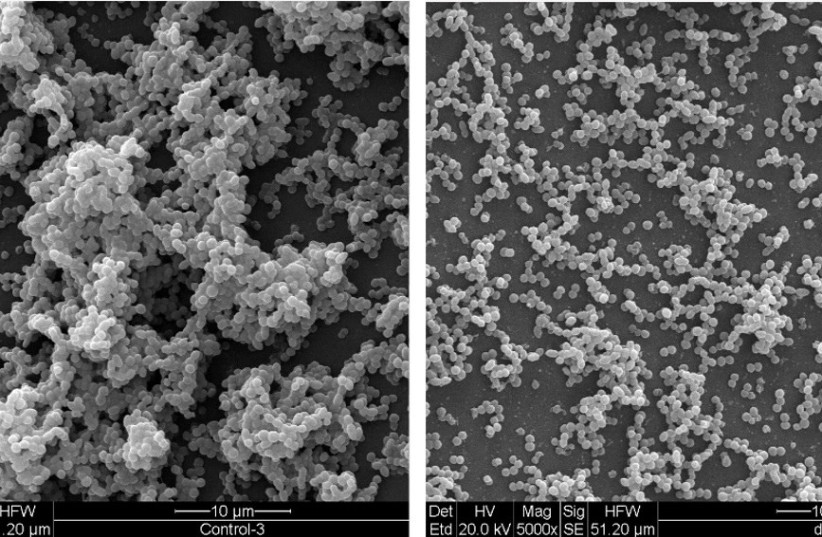
The molecule 3,3'-Diindolylmethane (DIM) developed in Beersheba and in Singapore, reduced Streptococcus mutans biofilm by 90%.


Thursday, 29 June 2023

Rainforest releases oxidized organic molecules that form aerosol particles in tropical free troposphere, study reveals

JUNE 28, 2023, by U. of Helsinki

Credit: CC0 Public Domain

Molecular-level measurements at Chacaltaya, Bolivia revealed that oxidized organic molecules were linked to isoprene emissions from Amazon rainforests hundreds of kilometers away. This potentially plays a crucial role in new particle formation, shedding light on the aerosol formation process over the tropics.

Oxidized organic molecules originating from the Amazon rainforest are crucial components contributing to the formation of aerosol particles in the tropical free troposphere, according to a new study led by the University of Helsinki.

Aerosol particles in the tropical free troposphere are known for their significant impact on global climate by serving as a large source of cloud condensation nuclei. However, the origin of these aerosol particles has remained unclear.

The latest research published in National Science Review demonstrated the presence of low-volatile organic compounds in the free tropospheric air from the Amazon, which sheds light on the formation of aerosol particles in this region.

"Oxidized organic molecules are the key to understanding aerosol formation in the near-pristine, pre-industrial-like environments like tropical free troposphere," says Professor Federico Bianchi from the University of Helsinki, the corresponding author of the paper.

"But characterizing these compounds at the molecular level is extremely challenging due to their low concentrations, let alone under high-altitude conditions."

Measurements done at the top of the Chacaltaya mountain

The researchers found that the oxidized organic molecules, mainly composed of molecules with 4–5 carbon atoms, were present in the gas phase and in aerosol particles, linked to isoprene emitted from the Amazon rainforest that locates hundreds of kilometers away. These low-volatile organic compounds can nucleate or condense on the newly formed nanoparticles, potentially playing a significant role in the aerosol formation process in the tropical free troposphere.

"Isoprene-derived oxidized organic molecules can clearly influence aerosol particle formation on a continental scale in the tropical free troposphere," says Dr. Qiaozhi Zha, the lead author of the paper.

"This will potentially impact on aerosol particles in the boundary layer, cloud formation, and further global climate. Specifically, our findings provide valuable model parameterization constraints for simulating tropical aerosols in future studies investigating their impact on climate."

The atmosphere scientists are conducting field measurements at Chacaltaya GAW station, a Global Atmosphere Watch station measuring many parameters permanently near La Paz in Bolivia. The station is on the edge of the Amazon rainforest, near the top of the mountain 5,240 meters above the sea level, and also the highest atmospheric laboratory in the world.


Recommend this post and follow
The Life of Earth

Opioids no more effective than placebo for acute back and neck pain, finds clinical trial

JUNE 28, 2023, by U. of Sydney


Credit: Pixabay/CC0 Public Domain


Opioid pain-relieving medicines are not more effective than a placebo in relieving acute back and neck pain and may even cause harm, according to a world-first trial led by the University of Sydney.

The researchers say this is proof that treatment guidelines should be updated to advise against the use of opioids for this purpose.

Over 577 million people worldwide experience low back and neck pain at any one time.

Despite a global push to reduce the use of opioids, in Australia approximately 40% to 70% of those who present with neck and back complaints are prescribed opioids for their pain.

The OPAL trial recruited close to 350 participants from 157 primary care and emergency department sites. Participants with acute-meaning sudden and generally short-term-back or neck pain were randomly allocated to a six-week course of a commonly prescribed opioid or a placebo.

Both groups also received standard care including advice to avoid bed rest and stay active. Participants were followed for 52 weeks.

The results of the trial are published in The Lancet on June 28.

Study results: At six weeks, those who received opioids did not have better pain relief than those given the placebo.
Quality of life and pain outcomes at long-term follow-up were better in the placebo group.
Patients who received opioids were at a small but significantly higher risk of opioid misuse 12-months after their short course of medication.

The research team says that according to current back and neck pain guidelines opioids can be considered as a last resort if all other pharmacological options have failed, however, this study is evidence that opioids should not be recommended at all.

"We have clearly shown there is no benefit to prescribing an opioid for pain management in people with acute back or neck pain, and in fact, it could cause harm in the long-term even with only a short course of treatment," said lead investigator Professor Christine Lin from Sydney Musculoskeletal Health, an initiative of the University of Sydney, Sydney Local Health District and Northern Sydney Local Health District.

"Opioids should not be recommended for acute back and neck pain. Not even when other drug treatments are not able to be prescribed or have not been effective for a patient."

The study complements previous research into opioid use for chronic (long-term) low back pain which found a small treatment benefit, but increased risk of harm.

Global push to reduce opioid use

Reducing the overuse of opioids is a global health priority. Medical authorities around the world have cautioned that due to the significant risk of harm to individuals and society, opioids should only be used where there is evidence that the benefits outweigh the harms.

Co-author Professor Chris Maher said in recent years there has been a shift in focus from opioid to non-opioid treatments for low back pain, with a focus on physical and psychological therapies and simple analgesics such as anti-inflammatory medicines (called NSAIDs).

"This study is further evidence that the first line management of acute low back pain and neck pain should rely on reassurance and advice to stay active, and simple analgesics like non-steroidal anti-inflammatory drugs if necessary," said Professor Maher, also of Sydney Musculoskeletal Health.

Harm caused by opioid use

Professor Andrew McLachlan, Dean of Sydney Pharmacy School and co-investigator, said The Lancet study is important and should influence prescribing and dispensing of these medicines as Australia faces rising rates of opioid use. According to Australia's Therapeutic Goods Administration, every day in Australia nearly 150 hospitalizations and 14 emergency department admissions involve issues relating to opioid use, and three people die from the harm that results from prescription opioid use.

"The possible harmful effects of opioids are well known. They range from minor harms such as constipation and drowsiness to major harms such as dependence, addiction, overdose, and even unintentional death," said Professor McLachlan.

"The findings from the OPAL trial further reinforce the need to reassess the use of opioid pain-relieving medicines as there is limited evidence of benefit and known significant risk of harm."

The authors note some study limitations including data gaps due to participant attrition and issues with medication adherence consistent with other backpain drug trials. They suggest neither are likely to have impacted the main outcomes of the study.


Recommend this post and follow
The birth of modern Man

Spouses sharing friends may live longer after widowhood

JUNE 28, 2023, by Cornell U.

Credit: Unsplash/CC0 Public Domain

The "widowhood effect"—the tendency for married people to die in close succession—is accelerated when spouses don't know each other's friends well, new Cornell University sociology research finds.

Analyzing the first longitudinal data detailing older adults' social networks along with demographic and health measures, the researchers found that over a 10-year study period, the probability of death was five times greater among widows whose friends weren't close to their partner.

For spouses who kept different friendship circles, the researchers speculate, grieving processes involving many unfamiliar contacts could be more stressful, and the surviving spouse may lose access to valuable social resources they can't easily replace.

"When one of them dies, the other loses something extra," said Benjamin Cornwell, professor and chair of the Department of Sociology in the College of Arts and Sciences. "It is a double loss, of both a spouse and a network."

Cornwell is the lead author of "'I Love You to Death': Social Networks and the Widowhood Effect on Mortality," published June 28 in the Journal of Health and Social Behavior. Tianyao Qu, doctoral student in the field of sociology, is a co-author.

Cornwell and Qu analyzed nearly 1,200 participants in the National Social Life, Health, and Aging Project (NSHAP), a nationally representative study on which Cornwell is a co-investigator. The sample included Americans aged 57 to 85 who were married or partnered and living at home when the surveys began in 2005, and followed those who reported being widowed over the next decade.

Study participants named up to five confidants with whom they discussed important matters over the previous year, and how often their spouses interacted with those contacts.

The data confirmed a "significant" widowhood effect. Controlling for age, gender, race, ethnicity, socioeconomic status, relationship quality and health, the risk of death in the next five years among study participants whose spouses died was nearly twice that of participants who remained married.

Prior research has identified physiological and social factors thought to contribute to the phenomenon. Some cases could involve heart failure resulting from stress hormones flooding the body, known as "broken heart syndrome" or "takotsubo syndrome." Longer-term effects of grieving and social isolation could also play a role. In addition, couples sharing similar backgrounds and lifestyles may inevitably share similar health trajectories.

Cornwell and Qu asked if the way partners are socially intertwined matters as well. Would losing a spouse closely embedded in your social network pose a greater risk than losing one who is not?

In the former case, the researchers said, one might expect that coping with the loss of an equal within a shared social network could be harder. Being exposed to many grieving friends might also amplify a widow's stress. Meanwhile, spouses with few or no overlapping friends might be accustomed to living independently and better equipped to handle a partner's loss.

But the data suggested otherwise. The chance of death in the next 10 years was significantly higher for widowed study participants whose spouses didn't talk with their friends—28%, compared to 5% for participants whose spouses communicated regularly with their friends.

"If you've lost a partner who essentially served as your bridge to another social world, then you've lost something very special," Cornwell said. "You've lost access to a social world, not just to your spouse."

The researchers said further study is needed to investigate those and other possible explanations, and potential interventions. Cornwell speculated that making connections with a partner's close friends or family in advance of a death, when possible, might help offset stressors amplifying the widowhood effect. But often, he said, widows are left "feeling their way through the dark with contacts that they don't know."


Recommend this post and follow
The Life of Earth
https://disqus.com/home/forum/lifeofearth/


It's Not Just Orcas: Dolphins Are Spreading Behaviors, Too, And It's a Real Problem

29 June 2023, By CARLY CASSELLA
https://www.sciencealert.com/its-not-just-orcas-dolphins-are-spreading-behaviors-too-and-its-a-real-problem


A pod of dolphins in Moreton Bay near Brisbane, Australia. (Léonie Huijser)

The news that orcas are attacking and sinking ships off Europe's Iberian coast has the world captivated by the strange workings of the creatures' culture.

But these aren't the only sleek ocean swimmers that have learned to respond to the presence of humans.

Scientists at the University of Queensland (UQ) in Australia suspect that bottlenose dolphins (Tursiops spp.) in Moreton Bay, near Brisbane, are teaching each other to 'beg' boats for fish.

Sometime between 2017 and 2020, marine scientists noticed dolphins approaching recreational fishing boats and feeding on the scraps tossed to them by humans on board.

"Within the dolphins' social network, I found a cluster which would consistently patrol moored boats, waiting for recreational fishers to illegally toss them discarded bait or catches," explains Léonie Huijser, who noticed the peculiar phenomenon while undertaking a thesis at UQ on dolphin social structures.

"Fishing is popular in the bay, and it seems some dolphins have learnt to exploit it."

It's currently illegal to feed dolphins in Moreton Bay, but it's hard to actually police that law when fishing boats are out on the water, far from shore.

In another bay near Brisbane, authorities recently fined a man several hundred dollars for feeding dolphins his scraps; they warned penalties can go all the way up to AU$17,000 (US$11,252).

That might seem like a disproportionate punishment for a well-intended act, but feeding dolphins can be seriously harmful to individuals and pods.

Experts warn that tossing dolphins fish actually puts them at greater risk of behavioral changes and boat collisions.

"Some of the dolphins who boldly approach boats have evidence of propeller strike and fishing line entanglement," says Huijser.

"During one of my first fieldwork days near North Stradbroke Island, a dolphin surfaced next to our boat but disappeared once it realized we weren't going to feed it. Its fin had been badly mangled previously, indicating it may have been caught up in a line."

The damaged fin of a bottlenose dolphin in Moreton Bay, possibly from a boat. (Léonie Huijser)

Huijser is concerned that the begging behavior is spreading. Dolphins, like orcas, have complex cultures that can evolve and adapt over time via social learning.

If a non-begging dolphin sees its peer begging, it could mimic that behavior. Especially if the begging dolphin is successful at coaxing fish from humans above.

At least five dolphins in a pod off an island in Moreton Bay have already started showing signs of the begging behavior. They have a calf with them, too, which could mean future generations are also learning the trick.

"Not all adaptations are positive, and begging is an example of an adaptive strategy that may have short-term gain but long-term risks," explains marine biologist Michael Noad, who supervised Huijser's thesis.

"Dolphins risk becoming reliant on donated fish, which is like junk food to them – quick and easy, but unhealthy. It may lead to food poisoning or nutritional imbalances."

Huijser and the team of researchers at UQ are now trying to locate 'hotspots' for begging dolphins in Moreton Bay to improve official surveillance in those areas.


Recommend this post and follow
The Life of Earth

Wednesday, 28 June 2023

Football pitch of tropical forest lost every 5 seconds

JUNE 27, 2023, by Marlowe HOOD

Nearly a football pitch of mature tropical trees were felled or burned every five seconds in 2022.

Earth lost an area of carbon-absorbing rainforest larger than Switzerland or the Netherlands in 2022, most of it destroyed to make way for cattle and commodity crops, an analysis of satellite data released Tuesday revealed.

That is nearly a football pitch of mature tropical trees felled or burned every five seconds, night and day, and 10 percent more than the year before, according to the World Resources Institute (WRI).

Tropical forests destroyed last year released 2.7 billion metric tons of CO2 into the atmosphere, equivalent to the fossil fuel emissions of India, the world's most populous nation, the WRI's Global Forest Watch unit reported.

Brazil accounted for 43 percent of the loss, with the Democratic Republic of Congo and Bolivia responsible for about 13 and nine percent, respectively.

The more than 41,000 square kilometers (nearly 16,000 square miles) decimated globally last year makes 2022 the fourth most devastating year for primary forests in two decades.

The accelerating loss comes a year after world leaders vowed at the Glasgow COP26 summit in 2021 to halt and reverse forest loss by 2030.

"Since the turn of the century, we have seen a hemorrhaging of some of the world's most important forest ecosystems despite years of efforts to turn that trend around," Mikaela Weisse, director of WRI's Global Forest Watch told journalists in a briefing.

Graphic showing forest area and forest area lost from 2000 to 2021 and in 2022 in the ten countries with the most forested area, according to Global Forest Watch.

"We are rapidly losing one of our most effective tools for combating climate change, protecting biodiversity, and supporting the health and livelihoods of millions of people."

Globally, vegetation and soil have consistently absorbed about 30 percent of CO2 pollution since 1960, even as those emissions increased by half.
90 billion tons

Some 1.6 billion people, nearly half of them members of indigenous groups, rely directly on forest resources for their food and livelihoods.

Deforestation in Brazil surged during the four-year rule of far-right President Jair Bolsonaro, and increased 15 percent last year compared to 2021.

Bolsonaro's administration gutted environmental policies, turned a blind eye to illegal deforestation, and weakened protections of the rights of indigenous peoples proven to be effective stewards of healthy forests.

President Luiz Inacio Lula da Silva, sworn in at the start of this year, has vowed to end deforestation in the Brazilian Amazon by 2030 but will face many challenges in doing so, experts say.


Major drivers of deforestation.

Scientists fear that climate change and deforestation combined could trigger the accelerating transition of the Amazon basin from tropical forest to savannah, which could profoundly disrupt weather not just in South America but across the globe.

Some 90 billion tons of CO2 is stored in the Amazon basin's forest, twice worldwide annual emissions from all sources.

"Halting and reversing forest loss is one of the most cost-effective mitigation options available to us today," said Frances Seymour, WRI's distinguished senior fellow for forests.

High rates of primary forest loss also continued in the Democratic Republic of the Congo (DRC), which saw more than half a million hectares destroyed in 2022, the report said.

Cocoa, gold & fires

Unlike in Brazil, the main drivers were subsistence-agriculture and the small-scale production of charcoal made by cutting and burning timber, a reflection of the country's poverty.

More than 80 percent of the population lacks electricity.


Halting and reversing forest loss is one of the most cost-effective options for reducing emissions.

A half-billion dollar agreement signed by the DRC in 2021 to protect its forests has been undermined by the recent auctioning of permits for oil and gas exploration.

The government has also indicated it would lift a moratorium on new logging concessions.

Bolivia, meanwhile, saw the third largest loss of primary forests (nearly 4,000 sq km) in 2022 and a 32 percent increase in the rate of deforestation compared to 2021.

"The majority of the loss occurred within protected areas, which cover the last patches of primary forest in the country," the Global Forest Watch report said.

Cocoa production, gold-mining and fires were the main drivers.

Just over five percent of global tropical forest loss last year occurred in Indonesia (2,300 sq km), which has seen deforestation levels drop more than four-fold since 2016.

Other countries rounding out the 'top ten' in tropical forest loss worldwide last year are Peru (3.9 percent), Colombia (3.1), Laos (2.3), Cameroon (1.9), Papua New Guinea (1.8) and Malaysia(1.7).

The rest of the world combined accounted for just under 15 percent of forest lost in 2022.


Recommend this post and follow
The Life of Earth

The Connection Between Autism And The Gut Microbiome Is Clearer Than Ever

28 June 2023, By CARLY CASSELLA

(Artur Plawgo/Science Photo Library/Getty Images)

The link between autism spectrum disorder (ASD) and the body's 'second brain' is more apparent than ever before.

A new paper, authored by no less than 43 scientists of various disciplines, has found the strongest link yet between gut microbes, host immunity, genetic expression in the nervous system, and dietary patterns.

The new analysis does not confirm autism's underlying causes, nor does it identify specific subtypes as other research has attempted, but rather reveal a more generalized gut profile that seems to be consistent among those with ASD.

If this crucial biomarker can be elucidated in further research, it could one day be used to diagnose ASD and probe potential treatments.

"Before this, we had smoke indicating the microbiome was involved in autism, and now we have fire," says microbiologist Rob Knight from the University of California San Diego.

"We can apply this approach to many other areas, from depression to Parkinson's to cancer, where we think the microbiome plays a role, but where we don't yet know exactly what the role is."

Today, scientists know that people with autism are more likely to experience gastrointestinal issues, such as constipation, diarrhea, bloating, and vomiting.

What's more, in recent years, researchers have begun to find links between the makeup of microbes that call our guts home and neurodevelopmental disorders, like ASD.

Nevertheless, this connection isn't always consistent, and some experts have argued it isn't gut bacteria that trigger ASD, necessarily; it could be that kids with autism are more likely to restrict their diets because of 'picky' eating, which in turn influences the kinds of bacteria that persist in the digestive tract.

The new study incorporates 10 existing datasets on autism and the microbiome, plus 15 other datasets regarding dietary patterns, metabolism, immune cell profiles, and gene expression profiles of the human brain.

The authors of the analysis say their findings boost "the statistical power and biological insight" into the gut-brain axis behind ASD, and provide "stronger associations among gut microbes, host immunity, brain expression and dietary patterns than previously reported".

The fundamental connection between the gut and the brain is itself a relatively new frontier in science. In 1992, a researcher named the gut "the neglected human organ", and it took until the 21st century for the term "human microbiome" to be properly conceptualized.

In the years since, research on the trillions of individual microbes found in our guts has blossomed, and yet experts still aren't really sure what to make of their results. To date, it's not yet clear what a healthy microbiome looks like, let alone an atypical one.

There are just so many variables to consider, especially because communication between the gut and the brain seems to be a two-way street, and because diet can so quickly change the mix of gut bacteria.

In 1998, a scientist by the name of ER Bolt first hypothesized abnormal gut microbiota could be involved in the development of ASD.

Those with autism, for instance, showed more species of Clostridium and Ruminococcus bacteria in their stool than that of a control group.

But these early studies were generally deemed to be of "low to moderate quality, predominantly due to small sample sizes", "inadequate or absent explanation of sources" of the stool samples, and "potential biases", according to a trio of Dutch nutrition researchers reviewing the evidence in 2014.

Even today, carefully designed, long-term studies are hard to come by, and there is little agreement from paper to paper.

The current analysis attempts to bridge that gap by comparing existing data on the gut and ASD. For each dataset, the research team designed an algorithm to match the best pairs of autistic and neurotypical individuals by age and sex, which are two common confounding factors in autism studies.

Rather than analyzing study averages, these 600 pairs were each considered a single data point, allowing researchers to simultaneously analyze the gut microbe differences across more than a thousand individuals.

In the end, the authors found major signatures of autism in certain metabolic pathways that were associated with diet, gene expression, and particular gut microbes.

What's more, these microbes matched those identified by a recent long-term study on fecal transplants among 18 children with ASD. At a 2-year follow-up, participants showed continued improvements in gastrointestinal and behavioral symptoms, based on the scale most commonly used to evaluate symptoms of ASD.

Together, the findings suggest a potential role of the microbiome in improving autism symptoms, although how those underlying gut changes might relate to actual brain changes is still not clear.

"We were able to harmonize seemingly disparate data from different studies and find a common language with which to unite them," explains Jamie Morton, who worked on the paper as a biostatistician at the Simons Foundation, a charitable organization that funds biomedical research.

"With this, we were able to identify a microbial signature that distinguishes autistic from neurotypical individuals across many studies. But the bigger point is that going forward, we need robust long-term studies that look at as many datasets as possible and understand how they change when there is a [therapeutic] intervention."


Recommend this post and follow
The Life of Earth

Humans' ancestors survived the asteroid impact that killed the dinosaurs, shows fossil record analysis

JUNE 27, 2023, by U. of Bristol

Clade age and extinction time estimates for placental mammal families. Each line represents a family (arranged by order and clade but without further phylogenetic information), with 95% credible intervals in colors at the root estimates and extinction estimates (where applicable). 
Gray lines fill in the lineage. 93 families have credible intervals extending into the Cretaceous, but many originated after the K-Pg boundary.
 Credit: Current Biology (2023). DOI: 10.1016/j.cub.2023.06.016

A Cretaceous origin for placental mammals, the group that includes humans, dogs and bats, has been revealed by in-depth analysis of the fossil record, showing they co-existed with dinosaurs for a short time before the dinosaurs went extinct.

The catastrophic destruction triggered by the asteroid hitting the Earth resulted in the death of all non-avian dinosaurs in an event termed the Cretaceous-Paleogene (K-Pg) mass extinction. Debate has long raged among researchers over whether placental mammals were present alongside the dinosaurs before the mass extinction, or whether they only evolved after the dinosaurs were done away with.

Fossils of placental mammals are only found in rocks younger than 66 million years old, which is when the asteroid hit Earth, suggesting that the group evolved after the mass extinction. However, molecular data has long suggested an older age for placental mammals.

In a new paper published in the journal Current Biology, a team of paleobiologists from the University of Bristol and the University of Fribourg used statistical analysis of the fossil record to determine that placental mammals originated before the mass extinction, meaning they co-existed with dinosaurs for a short time. However, it was only after the asteroid impact that modern lineages of placental mammals began to evolve, suggesting that they were better able to diversify once the dinosaurs were gone.

The researchers collected extensive fossil data from placental mammal groups extending all the way back to the mass extinction 66 million years ago.

Lead author Emily Carlisle of Bristol's School of Earth Sciences said, "We pulled together thousands of fossils of placental mammals and were able to see the patterns of origination and extinction of the different groups. Based on this, we could estimate when placental mammals evolved."

Co-author Daniele Silvestro (University of Fribourg) explained, "The model we used estimates origination ages based on when lineages first appear in the fossil record and the pattern of species diversity through time for the lineage. It can also estimate extinction ages based on last appearances when the group is extinct."

Co-author Professor Phil Donoghue, also from Bristol, added, "By examining both origins and extinctions, we can more clearly see the impact of events such as the K-Pg mass extinction or the Paleocene-Eocene Thermal Maximum (PETM)."

Primates, the group that includes the human lineage, as well as Lagomorpha (rabbits and hares) and Carnivora (dogs and cats) were shown to have evolved just before the K-Pg mass extinction, which means their ancestors were mingling with dinosaurs. After they survived the asteroid impact, placental mammals rapidly diversified, perhaps spurred on by the loss of competition from the dinosaurs.


Recommend this post and follow
The birth of modern Man

Health and Wellness News: How long can you safely store meat in the freezer?


How long can you safely store meat in the freezer?


Discover the recommended length of time for freezing different types of meat while still maintaining their quality and freshness.


Tuesday, 27 June 2023

Do hummingbirds drink alcohol? More often than you think

JUNE 22, 2023, by Robert Sanders, U of California - Berkeley

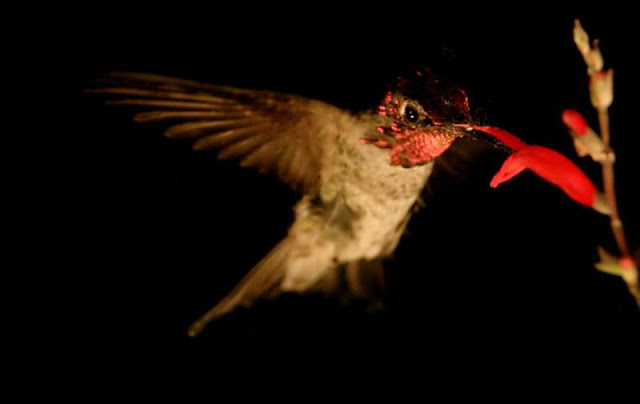
An Anna's Hummingbird sipping from a California Fuchsia. A new study suggests that hummingbirds are accustomed to ingesting small amounts of alcohol from natural sources, such as nectar. It's unclear whether ethanol attracts them, however. Credit: Víctor M. Ortega Jiménez

You may not realize it, but that backyard hummingbird feeder filled with sugar water is a natural experiment in fermentation—yeast settle in and turn some of the sugar into alcohol.

The same is true of nectar-filled flowers, which are an ideal gathering place for yeast—a type of fungus—and for bacteria that metabolize sugar and produce ethanol.

To University of California, Berkeley biologist Robert Dudley, this raises a host of questions. How much alcohol do hummingbirds consume in their daily quest for sustenance? Are they attracted to alcohol or repelled by it? Since alcohol is a natural byproduct of the sugary fruit and floral nectar that plants produce, is ethanol an inevitable part of the diet of hummingbirds and many other animals?

"Hummingbirds are eating 80% of their body mass a day in nectar," said Dudley, UC Berkeley professor of integrative biology. "Most of it is water and the remainder sugar. But even if there are very low concentrations of ethanol, that volumetric consumption would yield a high dosage of ethanol, if it were out there. Maybe, with feeders, we're not only farming hummingbirds, we're providing a seat at the bar every time they come in."

During the worst of the COVID-19 pandemic, when it became difficult to test these questions in the wilds of Central America and Africa, where there are nectar-feeding sunbirds, he tasked several undergraduate students with experimenting on the hummers visiting the feeder outside his office window to find out whether alcohol in sugar water was a turn-off or a turn-on. All three of the test subjects were male Anna's hummingbirds (Calypte anna), year-round residents of the Bay Area.

The results of that study, published this week in the journal Royal Society Open Science, demonstrate that hummingbirds happily sip from sugar water with up to 1% alcohol by volume, finding it just as attractive as plain sugar water.

They appear to be only moderate tipplers, however, because they sip only half as much as normal when the sugar water contains 2% alcohol.

"They're consuming the same total amount of ethanol, they're just reducing the volume of the ingested 2% solution. So that was really interesting," Dudley said. "That was a kind of a threshold effect and suggested to us that whatever's out there in the real world, it's probably not exceeding 1.5%."

'They're not getting drunk'

When he and his colleagues tested the alcohol level in sugar water that had sat in the feeder for two weeks, they found a much lower concentration: about 0.05% by volume.

"Now, 0.05% just doesn't sound like much, and it's not. But again, if you're eating 80% of your body weight a day, at .05% of ethanol you're getting a substantial load of ethanol relative to your body mass," he said. "So it's all consistent with the idea that there's a natural, chronic exposure to physiologically significant levels of ethanol derived from this nutritional source."

"They burn the alcohol and metabolize it so quickly. Likewise with the sugars. So they're probably not seeing any real effect. They're not getting drunk," he added.

A male Anna’s Hummingbird. 
Credit: Robert Dudley

The research is part of a long-term project by Dudley and his UC Berkeley colleagues—herpetologist Jim McGuire and bird expert Rauri Bowie, both professors of integrative biology and curators at UC Berkeley's Museum of Vertebrate Zoology. They seek to understand the role that alcohol plays in animal diets, particularly in the tropics, where fruits and sugary nectar easily ferment, and alcohol cannot help but be consumed by fruit-eating or nectar-sipping animals.

"Does alcohol have any behavioral effect? Does it stimulate feeding at low levels? Does it motivate more frequent attendance of a flower if they get not just sugar, but also ethanol? I don't have the answers to these questions. But that's experimentally tractable," he said.

Part of this project involves testing the alcohol content of fruits in Africa and nectar in flowers in the UC Botanical Garden. No systematic studies of the alcohol content of fruits and nectars, or of alcohol consumption by nectar-sipping birds, insects or mammals, or by fruit-eating animals—including primates—have been done.

But several isolated studies are suggestive. A 2008 study found that the nectar in palm flowers consumed by pen-tailed tree shrews, which are small, ratlike animals in West Malaysia, had levels of alcohol as high as 3.8% by volume. Another study, published in 2015, found a relatively high alcohol concentration—up to 3.8%—in the nectar eaten by the slow loris, a type of primate, and that both slow lorises and aye-ayes, another primate, preferred nectar with higher alcohol content.

The new study shows that birds are also likely consuming alcohol produced by natural fermentation.

"This is the first demonstration of ethanol consumption by birds, quote, in the wild. I'll use that phrase cautiously because it's a lab experiment and feeder measurement," Dudley said. "But the linkage with the natural flowers is obvious. This just demonstrates that nectar-feeding birds, not just nectar-feeding mammals, not just fruit-eating animals, are all potentially exposed to ethanol as a natural part of their diet."

The next step, he said, is to measure how much ethanol is naturally found in flowers and determine how frequently it's being consumed by birds. He plans to extend his study to include Old World sunbirds and honey eaters in Australia, both of which occupy the nectar-sipping niche that hummingbirds have in America.

Dudley has been obsessed with alcohol use and misuse for years, and in a 2014 book, "The Drunken Monkey, Why we drink and abuse alcohol," presented evidence that humans' attraction to alcohol is an evolutionary adaptation to improve survival among primates. Only with the coming of industrial alcohol production has our attraction turned, in many cases, into alcohol abuse.

"Why do humans drink alcohol at all, as opposed to vinegar or any of the other 10 million organic compounds out there? And why do most humans actually metabolize it, burn it, and use it pretty effectively, often in conjunction with food, but then some humans also consume to excess?" he asked.

"I think, to get a better understanding of human attraction to alcohol, we really have to have better animal model systems, but also a realization that the natural availability of ethanol is actually substantial, not just for primates that are feeding on fruit and nectar, but also for a whole bunch of other birds and mammals and insects that are also feeding on flowers and fruits," he said. "The comparative biology of ethanol consumption may yield insight into modern day patterns of consumption and abuse by humans."

In addition to McGuire and Bowie, other co-authors of the paper are former undergraduates Julia Choi and Lilianne Lee, graduate student Aleksey Maro and postdoctoral researcher Ammon Corl, all of UC Berkeley.


Recommend this post and follow
The Life of Earth