Tuesday, 30 April 2024

Study says California's 2023 snowy rescue from megadrought was a freak event. Don't get used to it

APRIL 29, 2024, by B. PETERSON and S. BORENSTEIN

Credit: Jonathan Schmer from Pexels

Last year's snow deluge in California, which quickly erased a two decade long megadrought, was essentially a once-in-a-lifetime rescue from above, a new study found.

Don't get used to it because with climate change the 2023 California snow bonanza —a record for snow on the ground on April 1—will be less likely in the future, said the study in Monday's journal Proceedings of the National Academy of Sciences.

The study authors coined the term "snow deluge" for one-in-20-year heavy snowfalls, when it's cold and wet enough to maintain a deep snowpack through April 1. But even among these rare snow deluges, last year's stood out as the snowiest, edging out 1922 in snow water equivalent, said study lead author Adrienne Marshall, a hydrologist at the Colorado School of Mines.

It's timing couldn't be better. Last year's snow came after a megadrought that started around the turn of the century and was one of the worst in more than 1,000 years. That drought is gone now.

"We shouldn't count on these big snow years coming every couple of years to bail us out," Marshall said.

Looking at different scenarios of emissions of heat-trapping gases in the future, she said it would be "increasingly rare" for most people alive now to see snow like this in California in the future. Her team's calculations show that these 1-in-20 year deluges will be 58% smaller by the end of this century compared to recent decades, with even just moderate climate change.

UCLA climate scientist Daniel Swain, who wasn't part of the study but specializes in weather in the U.S. West, said, "I would not be surprised if 2023 was the coldest, snowiest winter for the rest of my own lifetime in California."

And given climate change it's even more of a sure thing that winter was likely the coldest that most Californians will experience in the rest of their lives, Swain said.

The snow deluges came from repeated atmospheric rives, said Mark Serreze, director of the National Snow and Ice Data Center, who was not part of the research.

"California is no stranger to atmospheric rivers, but having so many was pretty bizarre," Serreze said. "Maybe we are moving back to a wetter regime, but even if we are, there is simply not enough water go around anymore. And as the climate warms, the snowpack will keep shrinking, making it harder and harder to manage the water resources."

California snowpack meets on average just 30% of the state's water needs—the rest is mostly imported or pumped from the ground. This year's April 1 snowpack was the second consecutive year of above average accumulation.

Residents and especially officials negotiating water rights, a contentious issue in the West, have to keep snow droughts in their memory even if California is flush from last year's "gift" of a snow deluge, Marshall said.

Her team focused on snow rather than all types of precipitation. That's because a rainy winter doesn't help bank as much water for California's hot dry summers.

"Dams and reservoirs have kind of long been environmentally contentious in California and elsewhere, and we have this massive natural reservoir in the mountains, and that's snowpack," Marshall said. "So when water falls as snow, it sits around in the mountains for often quite a long time and then melts in the late spring and the summer when we need it the most."

The study also found that as the climate warms, there still will be years with snow deluges but they will be far lighter than now if greenhouse gas emissions aren't rapidly reduced.

Although the study looked at just California, Marshall said her team saw similar projected patterns across the West.

"Despite the inconveniences and even dangers of excessive snowfall in the Sierras, all should remain grateful that water 'rescues' have taken place as recently as 2023," said Rutgers University Global Snow Lab Director David Robinson, who wasn't part of the study.

But Robinson said these exceptionally wet, cold years will occur even less in the future so it's a reminder "how precious and finite our freshwater resources are now and will remain so in our ongoing warming world."


Recommend this post

follow

The birth of 
Modern Man


Indonesia's Mount Ruang erupts again, spewing ash and peppering villages with debris

APRIL 30, 2024, by G. Wakari

This photo provided by the Indonesian National Search and Rescue Agency (BASARNAS) shows a part of a village on Tagulandang island covered by ash from eruptions of Mountt Ruang in the Sulawesi island, Indonesia, Friday, April 19, 2024. More people living near an erupting volcano on Indonesia's Sulawesi Island were evacuated on Friday due to the dangers of spreading ash, falling rocks, hot volcanic clouds and the possibility of a tsunami.
Credit: National Search and Rescue Agency via AP

Indonesia's Mount Ruang volcano erupted Tuesday for a second time in two weeks, spewing ash almost 2 kilometers (more than a mile) into the sky, closing an airport and peppering nearby villages with debris.

The alert level of the volcano on Sulawesi Island was again raised to the highest level by the Indonesian geological service, after sensors picked up increasing volcanic activity. The agency urged residents and climbers to stay at least 6 kilometers (3.7 miles) from the volcano's crater.

The 725-meter (2,378-foot) volcano in North Sulawesi province is about 95 kilometers (59 miles) northeast of Sam Ratulangi International Airport in Manado, the provincial capital.

The airport was closed Tuesday morning due to reduced visibility and the dangers posed to aircraft engines by ash, said Ambar Suryoko, head of the regional airport authority.

Ash, grit and rock fell from the sky in towns and cities across the region, including Manado, a city with more than 430,000 people where motorists had to switch on their headlights during daytime.

"It was dark with rocks raining at the post from the eruption," said Yulius Ramopolii, the head of Mount Ruang monitoring post. "The vibrations were intense and knocked out power, and volcanic earthquakes shook the glass windows and everything around us."

This photo provided by the Indonesian National Search and Rescue Agency (BASARNAS) shows a part of a village on Tagulandang island covered by ash from eruptions of Mountt Ruang in the Sulawesi island, Indonesia, Friday, April 19, 2024. More people living near an erupting volcano on Indonesia's Sulawesi Island were evacuated on Friday due to the dangers of spreading ash, falling rocks, hot volcanic clouds and the possibility of a tsunami. 
Credit: National Search and Rescue Agency via AP

He said the eruption blocked out the sun and peppered several villages with falling debris. No casualties have been reported, Ramopolii said.

More than 11,000 people had evacuated after the April 17 eruption when authorities warned that a major eruption might collapse part of the volcano into the sea and cause a tsunami that could endanger nearby villages.

Less than 3,000 remained at temporary shelters after the government lowered its alert level to the second highest from four levels and reopened the airport after four days.

Indonesia's geological agency on Tuesday warned people on Tagulandang Island, especially those who live near the coast, of the potential of hot volcanic clouds and a tsunami due to eruptions of material entering the sea or collapse of volcanic dome into the sea.

Ruang is among about 130 active volcanoes in Indonesia. The archipelagic nation is prone to volcanic eruptions and earthquakes because of its location on the Pacific "Ring of Fire"—a series of fault lines stretching from the western coasts of the Americas through Japan and Southeast Asia.


Recommend this post and follow
The Life of Earth

Dying salmon trouble Norway's vast fish-farm industry

APRIL 30, 2024, by P-H. DESHAYES


Big fish farms are under pressure to address the problem of dying salmon.

They are hailed for their omega-3 fatty acids and micronutrients, but Norway's salmon are not in the best of health themselves at the fish farms where they are bred.

Almost 63 million salmon—a record—died prematurely last year in the large underwater sea pens that dot the fjords of Norway, the world's biggest producer of Atlantic salmon.

That represents a mortality rate of 16.7 percent, also a record high and a number that has gradually risen over the years—posing an economic and an ethical problem to producers.

The salmon succumb to illnesses of the pancreas, gills or heart, or to injuries suffered during the removal of sea lice parasites.

"The death of animals is a waste of life and resources," Edgar Brun, director of Aquatic Animal Health and Welfare at the Norwegian Veterinary Institute, told AFP.

"We also have a moral and ethical responsibility to guarantee them the best possible conditions."

Norway's salmon exports exceeded $11 billion last year, with the 1.2 million tonnes sold representing the equivalent of 16 million meals per day.

The 63 million prematurely dead salmon represent almost $2 billion in lost income for the industry.

Not so appetizing

Salmon that die prematurely are usually turned into animal feed or biofuel.

Salmon like these are dying prematurely at fish farms in Norway.

But according to Norwegian media, some fish that are in dire health at the time of slaughter, or even already dead, do sometimes end up on dinner plates, occasionally even sent off with a label marked "superior".

"I see fish on sale that I myself would not eat," a former head of quality control at a salmon slaughterhouse, Laila Sele Navikauskas, told public broadcaster NRK in November.

Eating those salmon poses no danger to human health, experts say.

"The pathogens that cause these illnesses in the salmon cannot be passed on to humans," Brun explained.

But the revelations damage the salmon's precious image.

"If you buy meat in a store, you expect it to come from an animal that was slaughtered in line with regulations and not one that was lying dead outside the barn," said Trygve Poppe, a specialist in fish health.

"Otherwise, as a consumer you feel tricked."

The Norwegian Food Safety Authority said it observed anomalies at half of the fish farms inspected last year, noting that, among other things, injured or deformed fish had been exported in violation of Norwegian regulations.

In order to maintain its strong reputation, only salmon of ordinary or superior quality is authorized for export.

The lower quality fish—which accounts for a growing share of stocks, up to a third last winter—can only be sold abroad after it has been transformed, into filets for example.

Around 63 million salmon died prematurely in Norway last year.

Matter of trust

Robert Eriksson, head of the Norwegian Seafood Association which represents small producers—generally considered less at fault—said the irregularities reported at some breeders were "totally unacceptable".

"We live off of trust," he said.

Taking shortcuts means "you get punished by the market and the economic impact is much bigger than the few extra kilos you sold."

The Norwegian Seafood Federation—representing the biggest fish farming companies, those most often singled out over quality—insists it is addressing the matter but says more time is needed.

"On average, it takes three years to breed a salmon," said the body's director, Geir Ove Ystmark.

"So it's very difficult to see immediate results today, even though we have launched a series of initiatives and measures."

It is precisely the speed at which the fish are bred that is the problem, according to fish health specialist Poppe, who criticized the "terribly bad animal conditions" and who has stopped eating farmed salmon.

"The salmon are subjected to stress their entire lives, from the time they hatch in fresh water until their slaughter," said Poppe.

"For example, during the first phase in fresh water, the light and temperature is manipulated so they'll grow as quickly as possible," he explained.

"In the wild, this phase takes two to six years. When they're bred, it takes six months to a year."

Low-quality salmon can only be exported if they are turned into a form such as filets.

New technology

Truls Gulowsen, head of Friends of the Earth Norway, said recent years' higher mortality rates were the result of aggressive industrialization.

"We have bred a farmed fish that has poor chances of survival and which is dying from a combination of stress and bad genes because it's been bred to grow as fast as possible and subjected to a major change in diet."

The Norwegian Seafood Association aims to halve the mortality rate by 2030, and industry giant Salmar has allocated $45 million to tackle the issue.

Among the frequently mentioned possibilities are greater spacing between fish farms, and new technology, including so-called closed facilities.

The latter, where sea water is filtered, would help prevent sea lice but are more costly.

The government insists it is up to fish farms to respect the rules.

"Not all producers have the same mortality rates, so it is possible to reduce them," said Even Tronstad Sagebakken, a state secretary at the fisheries ministry.

In the meantime, the Norwegian Food Safety Authority says it has not yet received any reports of salmon not fit for export being sold abroad.


Recommend this post and follow

Monday, 29 April 2024

Scientists discover higher levels of CO₂ increase survival of viruses in the air and transmission risk

APRIL 26, 2024, by U. of Bristol

Image shows an aerosol of droplets containing the COVID-19 virus being held in the air by electric fields.
 Credit: Allen Haddrell


A new study has revealed for the first time the vital role carbon dioxide (CO2) plays in determining the lifespan of airborne viruses—namely SARS-CoV-2, the virus that causes COVID-19. It clearly showed keeping CO2 levels in check helps to reduce virus survival, and therefore the risk of infection.

The research, led by the University of Bristol and published today in Nature Communications, shows how CO2 is a major factor in prolonging the life of SARS-CoV-2 variants present in tiny droplets circulating in the atmosphere.

Lead author Dr. Allen Haddrell, Senior Research Associate in Aerosol Science at the University's School of Chemistry, said, "We knew SARS-CoV-2, like other viruses, spreads through the air we breathe. But this study represents a huge breakthrough in our understanding of exactly how and why that happens, and crucially, what can be done to stop it.

"It shows that opening a window may be more powerful than originally thought, especially in crowded and poorly ventilated rooms, as fresh air will have a lower concentration of CO2, causing the virus to become inactivated much faster.

"But it also highlights the importance of our global net zero goals because the research indicates even slightly raised levels of CO2, which are increasing in the atmosphere with the onset of climate change, can significantly improve the rate of virus survival and the risk of it spreading."

During the COVID-19 pandemic carbon dioxide monitors were used to help estimate ventilation in buildings, as both CO2 and the virus are present in exhaled breath. But this research has uncovered how CO2 itself actually makes the virus survive longer in the air. The researchers also found that different SARS-CoV-2 variants had different aerostabilities, with the latest omicron variant having an extended lifespan.

The researchers made these discoveries using unique bioaerosol technology they developed, called CELEBS—Controlled Electrodynamic Levitation and Extraction of Bioaerosols onto a Substrate, which allows the survival of different SARS-CoV-2 variants to be measured in laboratory generated airborne particles that mimic exhaled aerosol.

By varying the concentration of CO2 in the air between 400 parts per million (ppm)—the level in normal outdoor air) and 6,500 ppm, the team confirmed a correlation between increases in CO2 concentrations and the length of time airborne viruses remains infectious in air, compounding the risk of transmission.

Results showed increasing the CO2 concentration to just 800 ppm, a level identified as well ventilated, resulted in an increase in viral aerostability. After 40 minutes, when compared to clean air, around 10 times as much virus remained infectious when the air had a CO2 concentration similar to that of a crowded room (3,000 ppm).

Dr. Haddrell said, "This relationship sheds important light on why super spreader events may occur under certain conditions. The high pH of exhaled droplets containing the SARS-CoV-2 virus is likely a major driver of the loss of infectiousness. CO2 behaves as an acid when it interacts with droplets. This causes the pH of the droplets to become less alkaline, resulting in the virus within them being inactivated at a slower rate.

"That's why opening a window is an effective mitigation strategy because it both physically removes the virus from the room, but also makes the aerosol droplets themselves more toxic to the virus."

Between now and the end of the century, recent climate science research has projected the concentration of CO2 in the atmosphere is expected to reach more than 700 ppm.

Dr. Haddrell added, "These findings therefore have broader implications not only in our understanding of the transmission of respiratory viruses, but how changes in our environment may exacerbate the likelihood of future pandemics. Data from our study suggests that rising levels of CO2 in the atmosphere may coincide with an increase in the transmissibility of other respiratory viruses by extending how long they remain infectious in the air."

Co-author Professor Jonathan Reid, Director of the EPSRC Center for Doctoral Training in Aerosol Science at the University of Bristol, said, "While there is much we still do not understand, we are now gaining a much more complete picture of the role exhaled respiratory aerosols play in transporting infectious viruses between people and the mechanisms that control their survival.

"These findings can serve as a scientific basis for the design of mitigation strategies that could save lives in any future pandemic."


Recommend this post and follow
The Life of Earth

“Bizarre” Patterns Unearthed – Cambridge Study Challenges Traditional Views on Human Origins

By U. OF CAMBRIDGE,  APRIL 21, 2024

Recent research shows that competition, not just climate, significantly influenced hominin evolution, with the Homo genus exhibiting unique speciation patterns that diverge markedly from other vertebrates. 
A cast of the skull of Homo Heidelbergensis, one of the hominin species analyzed in the latest study. 
Credit: The Duckworth Laboratory, University of Cambridge

A new study from the University of Cambridge suggests that interspecies competition significantly influenced the evolutionary trajectory of hominins, resulting in a “bizarre” evolutionary pattern for the Homo lineage. This research also proposes revised timelines for the emergence and extinction of various early human ancestors.

Conventionally, climate is held responsible for the emergence and extinction of hominin species. In most vertebrates, however, interspecies competition is known to play an important role. Now, research shows for the first time that competition was fundamental to “speciation” – the rate at which new species emerge – across five million years of hominin evolution.

The study, published in the journal Nature Ecology & Evolution, also suggests that the species formation pattern of our own lineage was unlike almost anything else.

“We have been ignoring the way competition between species has shaped our own evolutionary tree,” said lead author Dr. Laura van Holstein, a University of Cambridge biological anthropologist from Clare College. “The effect of climate on hominin species is only part of the story.”

A cast of the skull of Homo Floresiensis, one of the hominin species analysed in the latest study.
 Credit: The Duckworth Laboratory, University of Cambridge


In other vertebrates, species form to fill ecological “niches” says van Holstein. Take Darwin’s finches: some evolved large beaks for nut-cracking, while others evolved small beaks for feeding on certain insects. When each resource niche gets filled, competition kicks in, so no new finches emerge and extinctions take over.

Van Holstein used Bayesian modeling and phylogenetic analyses to show that, like other vertebrates, most hominin species formed when competition for resources or space was low.

“The pattern we see across many early hominins is similar to all other mammals. Speciation rates increase and then flatline, at which point extinction rates start to increase. This suggests that interspecies competition was a major evolutionary factor.”

Unique Evolutionary Patterns in Humans

However, when van Holstein analyzed our own group, Homo, the findings were “bizarre.” For the Homo lineage that led to modern humans, evolutionary patterns suggest that competition between species actually resulted in the appearance of even more new species – a complete reversal of the trend seen in almost all other vertebrates.

“The more species of Homo there were, the higher the rate of speciation. So when those niches got filled, something drove even more species to emerge. This is almost unparalleled in evolutionary science.”

The closest comparison she could find was in beetle species that live on islands, where contained ecosystems can produce unusual evolutionary trends.

“The patterns of evolution we see across species of Homo that led directly to modern humans are closer to those of island-dwelling beetles than other primates, or even any other mammal.”

Recent decades have seen the discovery of several new hominin species, from Australopithecus sediba to Homo floresiensis. Van Holstein created a new database of “occurrences” in the hominin fossil record: each time an example of a species was found and dated, around 385 in total. Fossils can be an unreliable measure of species’ lifetimes. “The earliest fossil we find will not be the earliest members of a species,” said van Holstein.


A cast of the skull of Homo Erectus, one of the hominin species analyzed in the latest study. 
Credit: The Duckworth Laboratory, University of Cambridge


“How well an organism fossilises depends on geology, and on climatic conditions: whether it is hot or dry or damp. With research efforts concentrated in certain parts of the world, and we might well have missed younger or older fossils of a species as a result.”

Van Holstein used data modeling to address this problem, and factor in the likely numbers of each species at the beginning and end of their existence, as well as environmental factors on fossilization, to generate new start and end dates for most known hominin species (17 in total).

Technological Advancements and Human Evolution

She found that some species thought to have evolved through “anagenesis” – when one slowly turns into another, but lineage doesn’t split – may have actually “budded”: when a new species branches off from an existing one.

This meant that several more hominin species than previously assumed were co-existing, and so possibly competing.

While early species of hominins, such as Paranthropus, probably evolved physiologically to expand their niche – adapting teeth to exploit new types of food, for example – the driver of the very different pattern in our own genus Homo may well have been technology.

“Adoption of stone tools or fire, or intensive hunting techniques, are extremely flexible behaviors. A species that can harness them can quickly carve out new niches, and doesn’t have to survive vast tracts of time while evolving new body plans,” said van Holstein

She argues that an ability to use technology to generalize, and rapidly go beyond ecological niches that force other species to compete for habitat and resources, may be behind the exponential increase in the number of Homo species detected by the latest study.

But it also led to Homo sapiens – the ultimate generalisers. And competition with an extremely flexible generalist in almost every ecological niche may be what contributed to the extinction of all other Homo species.

Added van Holstein: “These results show that, although it has been conventionally ignored, competition played an important role in human evolution overall. Perhaps most interestingly, in our own genus, it played a role unlike that across any other vertebrate lineage known so far.”


Recommend this post and follow
The birth of modern Man

Sunday, 28 April 2024

Species living closely together in symbiosis is far older and way more common than you might think

APRIL 27, 2024, by G. Moore, The Conversation

Credit: Pixabay/CC0 Public Domain

Once known only to those studying biology, the word symbiosis is now widely used. Symbiosis is the intimate relationship of different species living together. It's much more common and older than many of us might realize.

One of the most common symbiotic relationships is between various species of algae and fungi, or between cyanobacteria (commonly known as blue-green algae though it's not algae) and fungi. These paired species take the form of lichens.

The term symbiosis was first used in the 19th century to describe the lichen relationship, which was thought to be highly unusual. Since then, we've discovered symbiosis is the norm, rather than the exception. In fact, it has shaped the evolution of most life on Earth.

Symbiosis is almost everywhere we look

Lichens are diverse. They grow on tree trunks, on roof tiles and on ancient rocks.

The symbiosis of two different species allows both to survive in environments they might not be able to colonize otherwise. The fungus provides a suitable environment for its partnering species of algae or cyanbacteria to grow—it might otherwise be too exposed or dry, for example. In return, the fungus gets to share some of the carbohydrates produced by photosynthesis.

This is an example where both partners benefit from their relationship. It's called mutualistic symbiosis.

Lichens are often very good indicators of air quality and more general ecosystem health. Their absence can indicate poor air quality. Because they absorb air pollutants such as heavy metals they can be used as biomonitors.

In another very common example of mutualistic symbiosis, most plant species live in a close relationship with fungi in the soil. It's known as a mycorrhizal association.

The plants harness the energy in sunlight to make sugar from water and carbon dioxide in the process called photosynthesis. The plants share this food with the fungus, which relies on them for survival. In return, the fine threads of the fungus greatly increase the surface area of the plant roots for absorbing water and nutrients.

Not all partners benefit

Not all symbiotic relationships benefit both partners.

In parasitic symbiosis, one partner benefits at the expense of the other. Examples include the fungi Phytophthora, Fusarium and Armilleria, which often kill their plant hosts.

In cases of commensalism, one organism benefits and the other neither gains nor loses. Small birds, for example, sometimes perch on large herbivores, eating insects disturbed by the larger animals.

As in any relationship, it's possible things can change over time. For example, a mutualistic symbiosis between a tree and its mycorrhizal fungus might change to parasitism as the tree ages and declines, or if environmental conditions change.

Symbiosis has driven evolution

Symbiosis has played a huge role in the evolution of life. The cells that make up the bodies of animals and plants are the result of symbiotic relationships.

Cells are complex. They contain structures called organelles, such as the nucleus (the control center of the cell) and mitochondrion (involved in cellular respiration, which uses oxygen to break down food molecules to make energy available). Plant cells also contain chloroplasts, the sites of photosynthesis.

These complex cells evolved from much simpler, ancient forms of life that came together symbiotically.

The organelles of complex cells were once single-celled life forms that survived being engulfed by other simple cells. They formed a more complex and efficient cell, which has become the basic cell type for large multicellular life forms.

All large multi-cellular organisms living on Earth—animal and plant—possess this type of cell. It's proof of how successful this evolutionary symbiotic strategy has been.

Cell respiration in both plant and animal cells involves mitochondria, which indicates they were engulfed early in evolutionary history. Later a cell type already containing mitochondria engulfed the chloroplast. This led to the evolution of complex plants.

When two become one

The incorporation of one cell type into another is called endosymbiosis. It allowed cells and parts of cells to become highly specialized. This specialization improved their efficiency and capacity to survive under a wider range of conditions.

When I was a postgraduate botany student in the late '70s, colleagues one day brought samples of common sea lettuce, Ulva latuca, to the laboratory, where I was studying photosynthetic physiology. Sea lettuce is a seaweed found in many shallow waters around the Australian coast.

We noticed a little marine slug grazing on the plant, so we popped it into our system for studying photosynthesis. To our surprise the slug was photosynthesizing! We discovered the slug partly digested the sea lettuce cells, but some chloroplasts passed through the lining of the slug's gut and continued to photosynthesize.

We thought we had made an important discovery, only to learn others had published similar work. After that I never doubted the validity of endosymbiosis, which was still a controversial theory at the time.

Symbiosis turns out to be the norm

We now know symbiosis is the norm for most organisms, including humans.

Our gut flora represent symbiosis on a massive scale. The diversity and huge numbers of bacteria living happily in our gut can have a huge impact on our general health and well-being. In the case of a healthy gut, both the person and the bacteria do well out of the relationship: a nice example of mutualistic symbiosis.

COVID focused public attention on viruses. But not all viruses are harmful; many actually benefit the organisms they infect. Some viruses even protect us from disease-causing viruses. For example, in people who are HIV-positive the disease progresses more slowly in those who are also infected with GB virus C (GBV-C).

Of course, the full range of symbiotic relationships with viruses is possible, from mutual benefit to an infected host suffering great harm. And, as with bacteria, there is accumulating evidence viruses have helped many species evolve, including our own.

An organism must live within a complex set of relationships to survive and thrive in any environment. Some relationships will be more positive than others, but it should not surprise that mutualistic symbiosis is so often the key to success.


Recommend this post and follow
The Life of Earth

The story of the first Alor people adapting to climate change 43,000 years ago

Apl. 24, 2024, by S. Kealy, H. A. F. Kaharudin & S. O'Connor, The Conversation

Marine shell and coral fishing (at left) and ornamentation (at right) technologies from Makpan.
 (A) rotating fishhook; (B) jabbing fishhook; (C) small jabbing fishhook; (D) possible shell lure; (E) large jabbing fishhook; (F) perforated coral sinker; (G) finger-coral tool; (H) selection of single-holed disc beads and two-holed oval beads made on Nautilus pompilius.

As humans, our greatest evolutionary advantage has always been our ability to adapt and innovate. When people first reached the expanded coastline of Southeast Asia around 65,000 years ago, and faced the sea crossings necessary to continue east into the islands of the Wallacean archipelago (the migration of Homo sapiens out of Africa to Australia), these abilities were put to use like never before.

Our study reports new evidence that humans reached and settled on the island of Alor, East Nusa Tenggara, around 43,000 years ago.

Alor is a smaller island lying between the larger islands of Flores and Timor, on the southern migratory pathway between mainland Southeast Asia and Australia.

Traces of settlements from that time demonstrate that once people began to move into the islands, they did so very quickly, and rapidly adjusted to their new island homes, especially in terms of acquiring food.

Life traces in Makpan Cave

Our collaborative research project, involving Australian and Indonesian archaeologists, excavated Makpan cave on Alor's south-west coast in mid-2016.

We identified the presence of human occupants in Makpan cave by discovering various tools made from stone, shell, and coral, as well as the remains of marine shell and sea urchins, for which humans are the only likely transport agents from coast to cave.

We used radiocarbon dating of preserved charcoal and marine shell to determine the period of human occupation at Makpan. The presence of both these materials in the cave is a direct result of human activity, so their dates can be directly connected to when people were living at Makpan.

The Makpan dates push back the record for human occupation on Alor island, doubling the initial occupation date of 21,000 years previously recovered from Tron Bon Lei, excavated in 2014.

This new find shows that Alor was occupied at the same time as Flores to the west, and Timor to the east—confirming Alor's position as a 'stepping-stone' between these two larger islands.

The deepest levels of the Makpan deposit recovered evidence for human occupation (such as stone tools and food waste) but in very low numbers. This suggests that when people first arrived at Makpan, they did so in low numbers.

During the 43,000 years of human occupation, Makpan witnessed a series of significant rises and falls in sea levels. This was caused by extreme climate changes during the last ice age. These environmental changes led the inhabitants of Makpan cave to undergo several phases of adaptation to environmental changes.

1. Early habitation phase

During the period from 43,000 to 14,000 years ago, when sea levels were lower, the inhabitants of Makpan relied more on coastal resources as they were more easily accessible.

During the Late Pleistocene (ice age), the lower sea level meant Alor Island was still connected to Pantar Island to the west. This created a mega-island that was nearly twice its size.

This condition eliminated the Pantar Strait between Pantar and Alor. The Pantar Strait is a passage for strong ocean currents connecting the Flores and Savu seas. Instead, the strait was replaced by a large sheltered bay.

Falling sea levels as the last ice age reached its maximum extent, also increased the distance from the site of Makpan to the coast.

This increased distance likely encouraged people to broaden their diet away from an intensely marine focus, to include a variety of land-based fruits and vegetables and perhaps make more use of giant rats, which were the only terrestrial fauna of any size available on the island at this time. This scenario is supported by isotopic analysis of human teeth from Makpan.

2. Pleistocene-Holocene transition phase

As the ice age began to wane around 14,000 years ago (the transition period from the Pleistocene to the early Holocene), bringing Makpan back within less than 1km of the coast, we see evidence for increased use of marine resources and foraging in the sheltered bay region, rocky coastline, reefs and deeper waters off Alor's south coast.

This increased access to a variety of marine protein sources is represented by the veritable smorgasbord of seafoods forming the dense midden deposits between around 12,000–11,000 years ago.

It is no surprise that the site sees significant evidence for fishing at this time, not just the bones of a wide variety of fish and shark species, but also in the form of shell fishhooks in different shapes and sizes. It also has the other items needed for fishing such as sinkers, and files made of coral used to make the hooks. The hooks were made from highly nacreous (i.e., shiny) shell species—which may have assisted in attracting the fish.

Although we do not find perishable organic materials, the diversity of fish hook types found in Makpan implies the use of fiber lines and nets, and the ability to fish in both shallow and deep water.

3. Late habitation phase

As sea levels continued to rise in the Early-Middle Holocene, the Pantar Strait opened up once more and we see the loss of the sheltered bay resources from the Makpan diet alongside an increase in reliance on terrestrial foods.

This coincided with a decline in occupation intensity, culminating in the abandonment of Makpan about 7,000 years ago. Why Makpan was abandoned at this time we do not know. Perhaps these final sea level increases made other areas around Alor island more attractive settlement locations, encouraging people to relocate.

The cave was reoccupied in the Neolithic (about 3,500 years ago), after sea-levels had stabilized, and we see a significant change in technology and lifestyle—evidenced by the appearance of pottery and domestic animals in the deposits. The Makpan archaeological record shows just how inventive and adaptive modern humans were in response to global climate change.


Recommend this post and follow
The Life of Earth

Haunting Sounds From The World's Largest Living Thing Recorded

28 April 2024, By T. KOUMOUNDOUROS

Aerial outline of Pando. 
(Lance Oditt/Friends of Pando)

We can now hear one of the largest and most ancient living organisms on Earth whisper with the tremble of a million leaves echoing through its roots.

The forest made of a single tree known as Pando ("I spread" in Latin) has 47,000 stems (all with the same DNA) sprouting from a shared root system over 100 acres (40 hectares) of Utah.

Here, this lone male quaking aspen (Populus tremuloides) gradually grew into a massive 6,000 metric tons of life, making it the largest living organism in the world in terms of mass.

After possibly 12,000 years of life on Earth, this massive plant, whose tree-like stems tower up to 24 meters (80 feet), surely has plenty to say. And recordings released this year let us 'hear' it like never before.

"The findings are tantalizing," Lance Oditt, founder of Friends of Pando, said when the project was unveiled in May.

"While it started as art, we see enormous potential for use in science. Wind, converted to vibration (sound) and traveling the root system, could also reveal the inner workings of Pando's vast hidden hydraulic system in a non-destructive manner."

Sound artist Jeff Rice experimentally placed a hydrophone inside a hollow at the base of a branch and threaded it down to the tree's roots, not expecting to hear much.

"Hydrophones don't just need water to work," Rice said. "They can pick up vibrations from surfaces like roots as well, and when I put on my headphones, I was instantly surprised. Something was happening. There was a faint sound."

Amid a thunderstorm, that sound increased – the device captured an eerie low rumbling.

"What you're hearing, I think, is the sound of millions of leaves in the forest, vibrating the tree and passing down through the branches, down into the earth," Rice explained when he presented his recordings to the 184th Meeting of the Acoustical Society of America, as reported by The Guardian.

The hydrophone also captured the thumps from tapping on a branch 90 feet away, even though that sound was not audible through the air at that distance. This supports the theory that Pando's root system is interconnected, but a proper experimental setup would be required to confirm the sound wasn't traveling through the soil.

Such shared root systems are common in colonial quaking aspens, but the size and age of Pando make it unique. While quaking aspens can reproduce through seeds, they seldom grow from them as pollination is rare since large aspen stands are usually only one sex, being clones of the same individual.

Friends of Pando invited Rice as an artist in residence to try and better understand this strange, enormous entity. Oditt hopes to use sound to map Pando's tangle of roots.

"The sounds are beautiful and interesting, but from a practical standpoint, natural sounds can be used to document the health of an environment," said Rice. "They are a record of the local biodiversity, and they provide a baseline that can be measured against environmental change."

Rice also recorded Pando's leaves, bark, and the surrounding ecosystem.

"Friends of Pando plans to use the data gathered as the basis for additional studies on water movement, how branch arrays are related to one another, insect colonies, and root depth, all of which we know little about today," said Oditt.

Sadly, this magnificent tree is deteriorating, leaving researchers concerned that Pando's days and all the forest life it supports are numbered. Human activities, including clearing and slaughtering predators that keep down herbivore numbers, eat away at this ancient being.

All the more reason to listen to 'The Trembling Giant' while it can still share its secrets.

The recordings were presented at the 184th Meeting of the Acoustical Society of America.


Recommend this post and follow
The Life of Earth

Saturday, 27 April 2024

Health and Wellness News: World's first jab to stop skin cancer being tested in UK patients


World's first jab to stop skin cancer being tested in UK patients

Experts say the treatment has huge potential and is "one of the most exciting developments in modern cancer therapy"


Sky News, Friday 26 April, 2024

https://news.sky.com/story/uk-patients-test-gamechanger-bespoke-mrna-jab-for-melanoma-13123074


The jab is aimed at people who have already had high-risk melanomas. Pic: PA


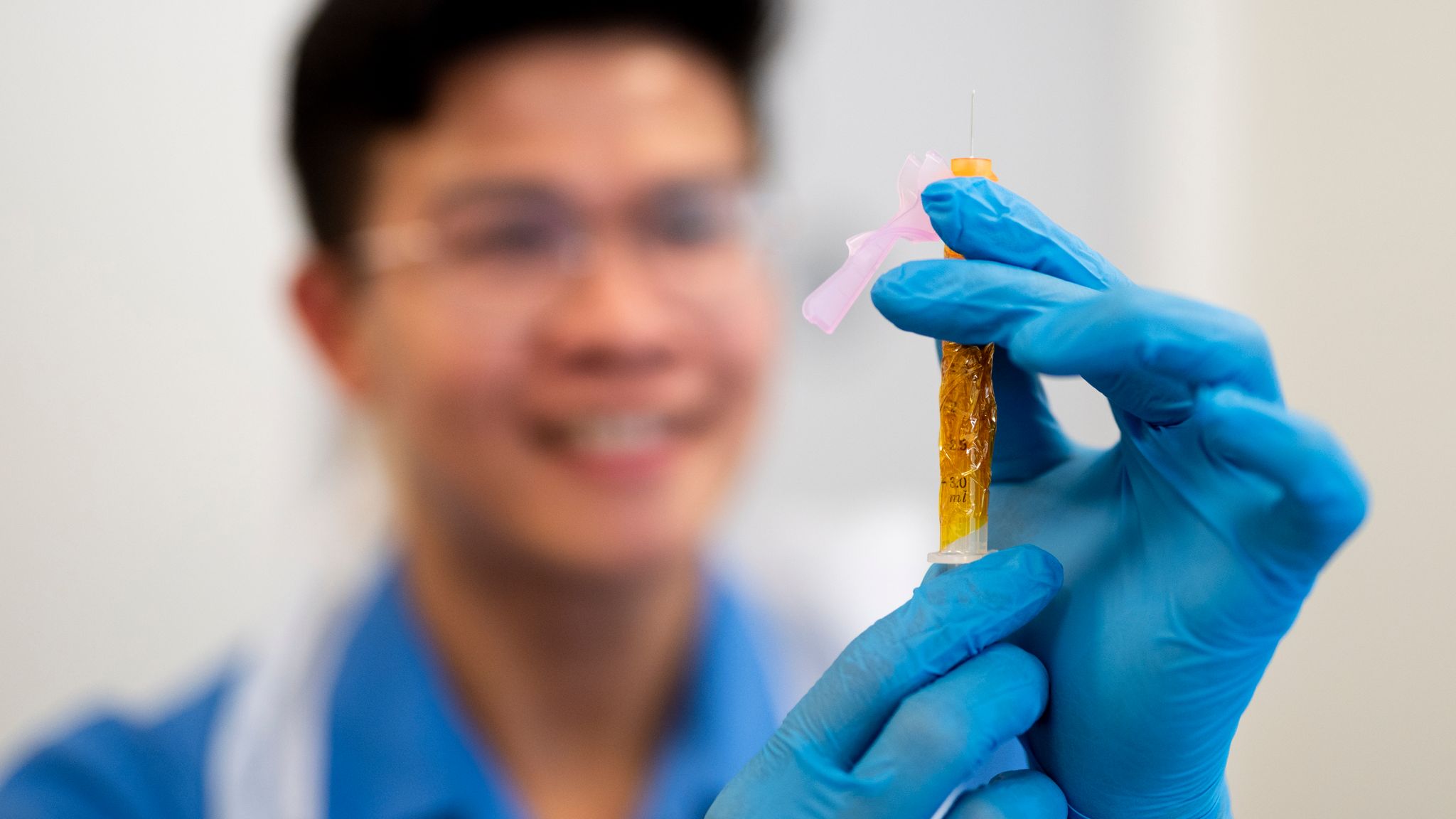
The world's first personalised mRNA cancer jab for melanoma is being tested in British patients.

The "gamechanger" jab also has the potential to stop bladder, lung and kidney cancer.

It's custom built for each person and tells the body to identify cancer cells and stops the disease returning.

A stage-two trial found it significantly reduced the risk of cancer coming back in melanoma patients and now a final trial has been launched.

University College London Hospitals NHS Foundation Trust (UCLH) is leading the phase.

Dr Heather Shaw, co-ordinating investigator of the trial, said it was "one of the most exciting things we've seen in a really long time".

"This is a really finely honed tool," she said.

"To be able to sit there and say to your patients that you're offering them something that's effectively like the Fat Duck at Bray versus McDonald's - it's that level of cordon bleu that's coming to them.

"These things are hugely technical and finely generated for the patient. The patients are really excited about them."

The jab is an individualised neoantigen therapy (INT) and can trigger the immune system to fight the patient's specific type of cancer.

To create the personalised therapy, a tumour sample is removed and has its DNA sequenced - with artificial intelligence also playing a role.


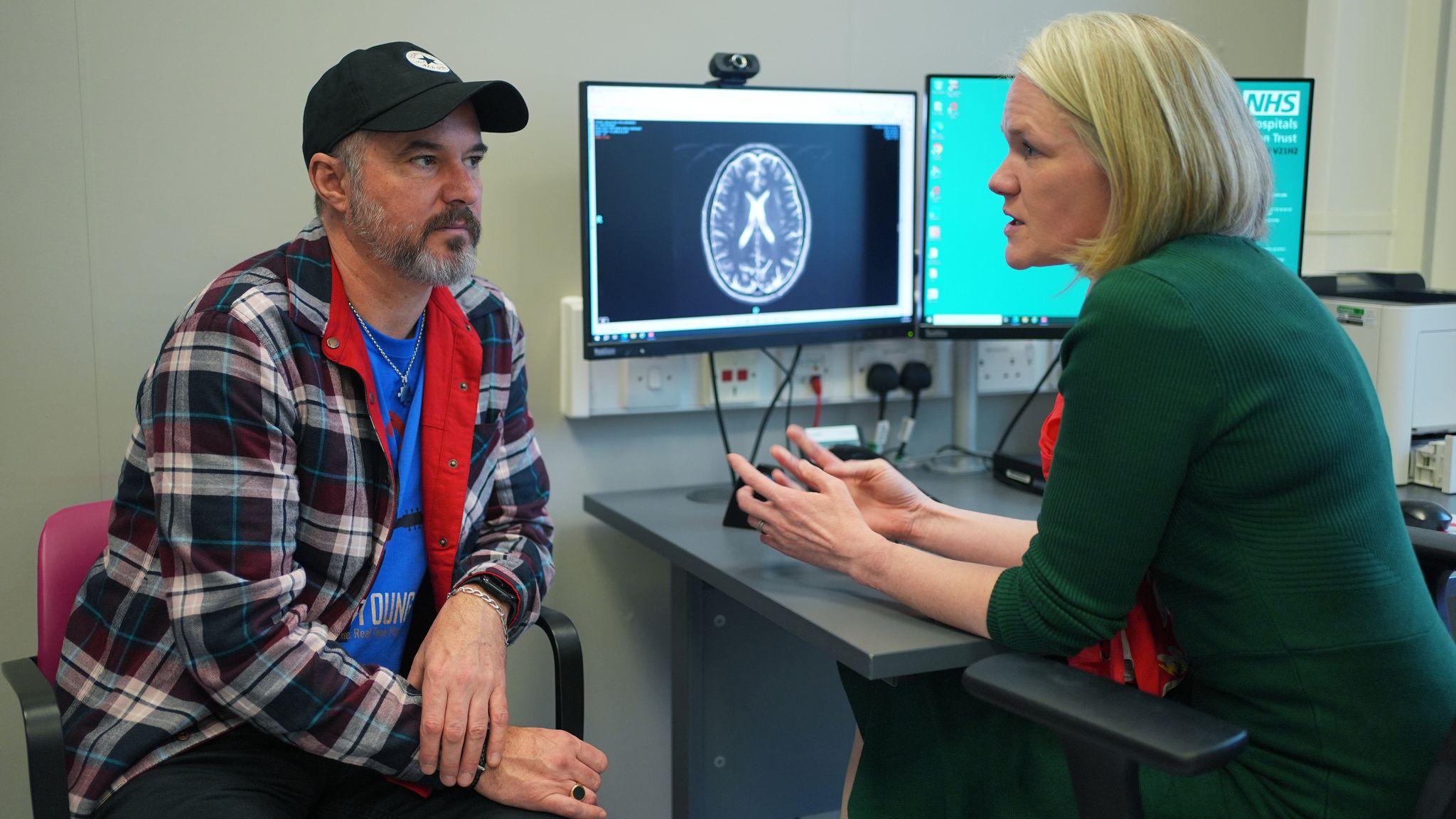
                   Dr Heather Shaw with Steve Young, one of those involved in the trial


Dr Shaw said: "This is very much an individualised therapy and it's far cleverer in some senses than a vaccine.

"It is absolutely custom built for the patient - you couldn't give this to the next patient in the line because you wouldn't expect it to work."

She added: "I think there is a real hope that these will be the gamechangers in immunotherapy."

The aim is to ultimately cure the cancer and eradicate any rogue cells that might not show on scans.

The phase-two trial found people with high-risk melanomas who got the jab - alongside immunotherapy drug Keytruda - were about half (49%) as likely to die or have their cancer come back after three years than those who just had Keytruda.

The phase-three global trial will include a wider range of patients and researchers are hoping to recruit around 1,100 people.

At least 60 to 70 patients across eight UK centres are set to be recruited and the twin therapy combination will also be tested in lung, bladder and kidney cancer.

Professor Lawrence Young, from the University of Warwick, called it "one of the most exciting developments in modern cancer therapy".

"Interest in cancer vaccines has been reignited in recent years by a deeper understanding of how the body controls immune responses and by the advent of mRNA vaccines which makes developing a vaccine based on the immune profile of a patient's own tumour much more straightforward," said Prof Young.

"The hope is that this approach could be extended to other cancers such as those of the lung and colon."


How buildings influence the microbiome and human health

APRIL 26, 2024, by E. Sittig, Kiel University

Certain features of modern buildings seem to cause more or less pronounced disadvantages for health, as they prevent contact with the multitude of microbes in the natural environment and in total seem to have negative effects on microbial diversity. 
Credit: Katja Duwe-Schrinner

Over the last 20 years, the life sciences have come to realize that all living beings—from the simplest animal and plant organisms to humans—live in close association with a multitude of microorganisms. Together with the multicellular host organism, these symbiotic bacteria, viruses and fungi, which colonize on and in their tissues and form the so-called microbiome, constitute a primarily beneficial community in the form of a metaorganism.

Many life processes, including the health and disease of the organism as a whole, can only be understood in the context of this functional co-operation between the host organism and microorganisms, for example in the absorption of nutrients, immune function or neuronal processes.

In recent decades, however, the lifestyle in industrialized societies has led to a gradual depletion of diversity of the human microbiome and this has contributed to the development of so-called environmental diseases, for example inflammatory bowel diseases, type 2 diabetes or neurodegenerative disorders.

At Kiel University, host-microbe interactions and their effects on health and disease are being investigated in detail in the Collaborative Research Center (CRC) 1182 "Origin and Function of Metaorganisms."

A group of scientists involved in the "Humans and the Microbiome" research program at the Canadian Institute for Advanced Research (CIFAR) in Toronto have published a perspective paper, in Proceedings of the National Academy of Sciences, proposing a new dimension for the study of the human microbiome and a paradigm shift in urban and building planning.

They discuss the influence of the so-called built environment on the composition and diversity of the microbiome. They put forward the hypothesis that modern buildings have a significant influence on human microbial colonization, depending on their nature and degree of shielding from the environment, and that this aspect should be taken into account in future architecture in terms of healthy and microbiome-friendly building conditions.

The researchers, include Professor Beatriz Colomina from Columbia University, Professor Brendan Bohannan from the University of Oregon, Professor Margaret McFall-Ngai from the California Institute of Technology and CRC 1182 board member and Kiel Life Science Spokesperson Professor Thomas Bosch from Kiel University.

Buildings interrupt contact with microorganisms from the environment

The human quest for shelter and protection from the elements is as old as mankind itself, for thousands of years people all over the world have been creating and developing a wide variety of dwellings right up to the architecture of today; in the near future more than two thirds of the world's population will live in cities. Overall, the urban lifestyle, in combination with many other factors, has ensured that life expectancy and quality of life have improved significantly for the majority of humanity.

"However, buildings as such and the triumph of urban living have also produced negative effects by shielding people to a greater or lesser extent from contact with their microbial environment. The extent of these presumably unfavorable consequences for the composition and diversity of the human microbiome can hardly be estimated as yet," explains CIFAR Fellow Bosch.

The researchers see the main reason for this in the fact that our modern life in built environments increasingly prevents contact with the multitude of microbes in the natural environment. In addition, buildings themselves must be viewed as complex organic systems in the sense of countless interdependent microbial communities, which also have an impact on the human metaorganism.

Taken together, this has negative consequences, for example by creating new niches for disease hosts and vectors in buildings, concentrating waste and toxic substances or reducing ventilation and the entry of sunlight.

All of this in turn influences the human microbiome in a variety of ways: For example, the built environment creates novel reservoirs of harmful microbes adapted to humans, reduces the exposure of individuals to beneficial microbes, or alters human behavior to inhibit natural and beneficial transmission of microorganisms between people.

"If human health is defined as being dependent on a large diversity of the microbiome, then a large proportion of today's buildings must be considered as not conducive to health in terms of construction and design, materials or type of use—because in sum, their effects appear to reduce microbial diversity, which could lead to poorer overall health of the occupants," emphasizes Bosch.

Future architecture should restore permeability for microorganisms

Since their invention, buildings have often unintentionally caused health problems, even though people have always tried to make them healthier and safer. The study of the links between architecture and health is therefore by no means new, and a crucial question today is: how can buildings be designed for better health and constructed in such a way that a complex and diverse microbiome can survive?

"By looking at the impact of building characteristics on the human microbiome, we are adding a whole new and important dimension to this complex. Our urban way of life ignores the fact that the body has adapted to its environment and its microbes over thousands of years and that it is only fit and healthy in contact with these partner organisms," says Bosch.

"Only if we accept this multi-organismic complexity will we arrive at a deep understanding of health and thus an understanding of common diseases. The thoroughly revolutionary view of living organisms and microbes as a functional unit will also shift the boundaries of urban planning in the future. We offer innovative scientific and applied perspectives for the development of a future, microbiome-friendly architecture that will once again allow natural and healthy human contact with microorganisms in the built environment."

The prerequisite for this is that in future, buildings are developed with the additional purpose of dosed and controlled exposure of people to microorganisms in particular—and no longer see them exclusively as a barrier to ward off environmental influences, as was previously the case.

According to the researchers, one aim could therefore be to plan and construct the built environment in future in such a way that the focus is not on complete isolation from the natural, microbial environment. On the contrary: buildings can be opened up to nature again and made more nature-friendly.

This can be achieved, for example, by using less toxic building materials and creating an overall greater structural permeability to external, particularly microbial, influences.

"With this perspective, we are fundamentally expanding our view of the human microbiome and establishing a direct link to the built environment through to modern urban planning. This results in fascinating new approaches that deal with microbiome-friendly architecture and construction and may in future be reflected in a significantly improved built environment that will be beneficial to human health," says Bosch.


Recommend this post and follow
The Life of Earth