Sunday, 31 May 2020

Smart windows that self-illuminate on rainy days

MAY 29, 2020, by Pohang University of Science & Technology (POSTECH)
https://phys.org/news/2020-05-smart-windows-self-illuminate-rainy-days.html

Credit: Pohang University of Science & Technology (POSTECH)

Smart windows that automatically change colors depending on the intensity of sunlight are gaining attention as they can reduce energy bills by blocking the sun's visible rays during summer. But what about windows that change colors depending on the humidity outside during the monsoon season or on hot days of summer?

Recently, a Korean research team has developed the source technology for smart windows that change colors according to the amount of moisture, without needing electricity.

The joint research team comprised of Professor Junsuk Rho of the departments of mechanical and chemical engineering, Jaehyuck Jang and Aizhan Ismukhanova of the chemical engineering department at POSTECH, and Professor Inkyu Park of KAIST's department of mechanical engineering. Together, they successfully developed a variable color filter using a metal-hydrogel-metal resonator structure using a chitosan-based hydrogel and combined it with solar cells to make a self-powering humidity sensor. These research findings were published as a cover story in the latest edition of Advanced Optical Materials, a journal specializing in nanoscience and optics.

Sensors utilizing light are already widely used in our daily lives in measuring the ECG, air quality, or distance, for example. The basic principle is to use light to detect changes in the surroundings and to convert them into digital signals.

Fabri-Pero interference is one of the resonance phenomena that can be applied in optical sensors and can be materialized in the form of multilayer thin films of metal-dielectric-metal. It is known that the resonance wavelength of transmitted light can be controlled according to the thickness and refractive index of the dielectric layer. However, the existing metal-dielectric-metal resonators have a major disadvantage in not being able to control the wavelengths of transmitted light once they are manufactured, making it difficult to use them in variable sensors.

Humidity sensor combining variable filter and solar cells. Credit: Junsuk Rho (POSTECH)


The research team found that when the chitosan hydrogel is made into the metal-hydrogel-metal structure, the resonance wavelength of light transmitted changes in real time depending on the humidity of the environment. This is because the chitosan hydrogel repeats expansion and contraction as the humidity changes around it.

Using this mechanism, the team developed a humidity sensor that can convert light's energy into electricity by combining a solar battery with a water variable wavelength filter made of a metal-hydrogel-metal structured metamterial that changes resonance wavelength depending on the external humidity.

The design principle is to overlap the filter's resonance wavelength with the wavelength where the absorption of the solar cells changes rapidly. This filter is designed to change the amount of light absorption of solar cells depending on the amount of moisture, and to lead to electric changes that ultimately detect the surrounding humidity.

Unlike conventional optical humidity sensors, these newly developed ones work regardless of the type of light, whether it be natural, LED or indoor. Also, not only does it function without external power, but it can also predict humidity according to the filter's color.

Professor Junsuk Rho who led the research commented, "This technology is a sensing technology that can be used in places like nuclear power reactors where people and electricity cannot reach." He added, "It will create even greater synergy if combined with IoT technology such as humidity sensors that activate or smart windows that change colors according to the level of external humidity."

Recommend this post and follow The birth of modern Man
https://disqus.com/home/forum/lifeofearth/

Saturday, 30 May 2020

Older men worry less than others about COVID-19

MAY 29, 2020, by Georgia State University
https://medicalxpress.com/news/2020-05-older-men-covid-.html


Credit: CC0 Public Domain

Older men may be at greater risk of contracting COVID-19 because they worry less about catching or dying from it than women their age or than younger people of both sexes, according to a new study by Sarah Barber, a gerontology and psychology researcher at Georgia State University.

This is a concern because older men are already more at risk of severe or fatal COVID-19 infections. Data from the CDC show the fatality rate of COVID-19 steadily rises with age, and that men are more at risk than women.

To test levels of worry and protective behaviors, Barber teamed with Hyunji Kim, a Georgia State doctoral student in psychology, and administered an online questionnaire assessing COVID-19 perceptions and behavior changes. The results were published by the Journals of Gerontology.

It is well established that worry is a key motivator of behavioral health changes, said Barber, including motivating people to engage in preventive health care activities such as healthy eating, exercise and timely screenings. In general, worry begins to ease with age, and is also lower among men than women.
"Not only do older adults exhibit less negative emotions in their daily lives," she said, "they also exhibit less worry and fewer PTSD symptoms following natural disasters and terrorist attacks."

She said that this may be because older adults have better coping strategies, perhaps gained through experience, and thus are able to regulate their emotional responses better.

Knowing that older adults tend to worry less, Barber conducted a study to see how this affected responses to the global pandemic.

"In normal circumstances," said Barber, "not worrying as much is a good thing. Everyday life is probably happier if we worry less. However, where COVID-19 is concerned, we expected that lower amounts of worry would translate into fewer protective COVID-19 behavior changes."

COVID-19 was declared a pandemic on March 11, and the questionnaire took place from March 23-31. Widespread behavioral changes were taking place, including the beginning of sheltering at home and social distancing.

All participants lived in the United States, and were primarily Caucasian with at least some college education. Participants were either aged 18-35 or aged 65-81, with 146 younger adults and 156 older adults studied.

The questionnaire assessed the perceived severity of COVID-19, such as whether respondents thought people were over-reacting to the threat of COVID-19 and whether it was similar in risk to flu. It also assessed worries about COVID-19, including how worried participants were about catching the virus themselves, dying as a result of it, a family member catching it, lifestyle disruptions, hospitals being overwhelmed, an economic recession, personal or family income declining and stores running out of food or medicine.

The questionnaire assessed behavioral changes that can reduce infection risk, from washing hands more often, to wearing a mask, avoiding socializing, avoiding public places, observing a complete quarantine or taking more care with a balanced diet and purchasing extra food or medications.

Not surprisingly, said Barber, most participants were at least moderately concerned about COVID-19, and only one individual, an older male, had "absolutely no worry at all." Also as expected, worry translated to protective behavior: more than 80 percent of participants reported washing their hands more frequently, taking more care about cleanliness, no longer shaking hands and avoiding public places. More than 60 percent of participants also reported no longer socializing with others. The participants who were most worried about COVID-19 were also the most likely to have implemented these behavior changes.

The catch was older men: compared to all other participants, older men were less worried about COVID-19, and had adopted the fewest number of behavior changes. They were relatively less likely to have worn a mask, to report having stopped touching their faces or to have purchased extra food.

Barber does not think the answer is to try to incite worry in older men. She thinks a better answer is to help them understand their risk accurately.

"Our study showed that for older men, accurate perception of risk worked as well as worry to predict preventive behaviors," she said.

If older men can be better educated about the virus, they may adopt protective behaviors even if they don't feel worried. She also notes that the survey took place "right after the pandemic was declared, and we all hope that a more accurate perception of risk has evolved over the last two months."

Either way, said Barber, older men may need a little extra coaching and attention to risk assessment and protective behaviors, both from concerned family members as well as their healthcare practitioners.


Recommend this post and follow The birth of modern Man

Mercury levels in shark fins illegal and dangerous to human health

MAY 29, 2020, by Angela Nicoletti, Florida International University
https://phys.org/news/2020-05-mercury-shark-fins-illegal-dangerous.html

Shark fins in Hong Kong market. Credit: Stan Shea

Shark fins recently sampled from markets in China and Hong Kong contained dangerously high levels of mercury.

Florida International University marine biology Ph.D. student Laura Garcia Barcia—collaborating with a team from the United States and Hong Kong—conducted the first study measuring levels of toxic mercury in shark fins sold in Asian markets. The team found the samples all had staggeringly high amounts of mercury that are dangerous to human health—far surpassing guidelines and legal limits set by the Hong Kong Center for Food Safety.

"The results were astonishing," Garcia Barcia said. "The mercury levels are super high and, on average, 6 to 10 times higher than what a safe level of mercury would be considered in Hong Kong."

The team examined 267 shark fin trimmings from the nine of the most common shark species in the fin trade, testing each one for levels of total mercury and methyl-mercury—the organic, highly toxic form of mercury. The concentrations in each shark fin sampled for this study exceeded the maximum legal limit in Hong Kong of 0.5 parts per million.

The highest of 55.52 parts per million came from a great hammerhead. The lowest level found in the fins sampled was 0.02 parts per million from a blue shark—the most common species found in the trade.

While it's still unclear whether high levels of mercury impact sharks, the impacts on humans are well-known. Prolonged exposure to mercury can lead to brain and central nervous system damage. It can also interfere with fetal cognitive development.

Yong Cai, co-author of the study and chair of FIU's Chemistry and Biochemistry department, points out that fish species containing mercury higher than one part per million are often listed as "Choices to Avoid" by the Food and Drug Administration. Mercury concentrations at 50 parts per million is considered extremely dangerous.

FIU marine scientist Demian Chapman, co-author of the study, said exceeding these limits isn't just a health concern—it's actually illegal. The Hong Kong Food Adulteration Legislation states anyone who sells a food product with levels above the legal limit can face fines and criminal charges.

The findings from this study will be used to launch educational campaigns which, the scientists hope, will help reduce demand for shark fins. According to FIU research, around 100 million sharks are killed every year. They are being illegally fished and their fins and meat illegally traded and nearly one-third of the shark species in the global fin trade are at risk of extinction. Other campaigns have focused on the role sharks have in maintaining healthy oceans, but that message hasn't resonated with the older demographics in Hong Kong and China who purchase them.

"Not every human cares about eating an animal that's endangered. But every human is worried about their health," Chapman said. "That could be a very powerful driver of change in the future."

The research was supported by Betsy & Peter Snow and the FIU Institute of Environment. The findings were published in Marine Pollution Bulletin.

Recommend this post and follow The Life of Earth

SSRI antidepressants associated with increase in violent crime in some patients

MAY 29, 2020, by European College of Neuropsychopharmacology
https://medicalxpress.com/news/2020-05-ssri-antidepressants-violent-crime-patients.html

added by CiC

Scientists have found that some people being treated with selective serotonin reuptake inhibitors (SSRIs) have a greater tendency to commit violent crime. In addition, this effect seems to continue for up to 12 weeks after stopping SSRI treatment. This work is published in the peer-reviewed journal European Neuropsychopharmacology, alongside a linked comment. The authors of both the paper and the comment note that the work indicates an association (rather than cause and effect), and urge caution in how the findings are interpreted.

First author Tyra Lagerberg at the Department of Medical Epidemiology and Biostatistics, Karolinska Institutet, Stockholm, said, "This work shows that SSRI (selective serotonin reuptake inhibitor) treatment appears to be associated with an increased risk for violent criminality in adults as well as adolescents, though the risk appears restricted to a small group of individuals. We don't claim that SSRIs cause the increased risk we see in our data. It is possible that the disorders that SSRIs are prescribed to treat, such as depression, are driving the association. In that case, our findings may mean that SSRIs are unable to fully remove this tendency toward violent crime, which is also a potentially important insight. Previous work has found an association between SSRI use and violence in young individuals, but not in adults. Ours is a much bigger study which allows us to confirm that there is an association in adults, as well."

The researchers examined the records of 785,337 people aged 15 to 60 years who were prescribed an SSRI in Sweden in 2006 through 2013. These patients were followed up for an average of around seven years, which included periods when individuals took SSRIs and when they did not. Individuals in the study were found to have committed 6,306 violent crimes while taking SSRIs, and 25,897 when not taking SSRIs.

After accounting for follow-up time and variables that were associated both with the probability of getting SSRI treatment and with the risk for violence, the researchers found that the risk of committing a violent crime was on average 26% higher during periods when individuals took SSRIs compared to periods when they did not, though only a small proportion of individuals went on to commit violent crimes regardless of treatment (<3% in the study sample). Due to the rarity of violent crimes, periods of SSRI medication are expected to coincide with only a small increase in the rate of this event. When the researchers subdivided the study follow-up according to time since start and end of SSRI treatment, they found that the risk for violent crime was higher throughout treated periods.

The increased risk also persisted for up to 12 weeks after the estimated end of SSRI treatment, after which the risk returned to levels before start of SSRI treatment. The researchers showed that the association between SSRI treatment and violent crime existed in young adults as well as in adults aged up to 60 years (the study did not investigate the association in adults older than 60 years). However, only 2.7% of individuals in the study committed violent crimes during the study period, meaning the increased risk applied to a small subgroup of SSRI users.

Tyra Lagerberg said, "Previous studies have shown that depression itself is associated with a three-fold increase in the risk for violent crime, and of course, many SSRIs are prescribed for depression; so it may be the underlying depression that causes the association with violent crime, rather than any effect of the SSRI. More work is needed to uncover the causes of this association.

"Our results suggest there may be a need for clinical awareness of the risk for violence during and possibly after SSRI treatment across age groups. However, a large majority of SSRI-users, around 97% in our sample, will not experience the outcome of violent crime, so our work needs to be understood in this context. Our findings do not affect the vast majority of people taking antidepressants and should not be used as basis for individuals to stop their SSRI treatment, nor for prescribers to withhold treatment from individuals who might benefit from it. Nevertheless, clinicians should be attentive when prescribing SSRIs to individuals with aggressive tendencies. More work is necessary to identify what further individual characteristics might give someone a higher risk of committing violent crimes during SSRI treatment, regardless of whether the risk is increased because of the SSRI or because of the underlying disorder that indicates an individual for treatment with these medications."

An associated commentary explores possible explanations for the increase. Lead author Professor Eduard Vieta (University of Barcelona) said, "This observational study presents a firm basis for further investigations on SSRI use and criminality. However, as the authors themselves say, we need to emphasise that the study shows an association between violent crime and SSRI use in a small subset of patients, it doesn't show that one causes the other. The study also shows that past offenders were more likely to commit a violent crime during SSRI treatment: this in itself is an interesting finding, which could be the main focus of future research on the topic."


Recommend this post and follow The birth of modern Man

Friday, 29 May 2020

How bacteria in your gut interact with the mind and body

MAY 29, 2020, by American Heart Association
https://medicalxpress.com/news/2020-05-bacteria-gut-interact-mind-body.html
Credit: CC0 Public Domain

Many people are familiar with the idea that gut bacteria are important for health. Given their location, you might assume that role is only about digestion.

But evidence is mounting that the microbes in our intestines interact with our minds—and hearts—in significant ways. Gut bacteria have been linked to depression, anxiety and the regions of the brain that process emotions. These regions share brain circuitry that affects cardiovascular issues such as blood pressure.

"People have co-evolved with environmental bacteria (that have) adapted over eons to being at home in human bodies. The present-day result is that our metabolism, our neurons and indeed our entire physiology is an interactive cross-talk with the bacteria in our bodies," said Bruce R. Stevens, professor of physiology and functional genomics in the College of Medicine at the University of Florida in Gainesville.

He perceives humans and gut bacteria as one interactive "meta-organism"—a single ecology of human cells plus bacterial cells.

The idea that guts and minds are linked goes back centuries, and the influence of gut bacteria on our health has been discussed in the press for years. But recently, after thousands of published articles, understanding of the links has grown immensely.

For example, studies show transferring gut bacteria from depressed people into lab rats can cause the rats to exhibit depression-like behaviors. Similar mouse studies show gut bacteria affect anxiety.

Dr. Kirsten Tillisch, professor of medicine at the David Geffen School of Medicine at the University of California, Los Angeles, led a study in 2013 that was the first to show eating a bacteria-friendly, or probiotic, food—in this case, yogurt—affected regions in the brain associated with processing of emotion and sensation in healthy women with no psychiatric symptoms. Four years later, her team linked specific gut bacterial profiles to brain differences in those regions.

How might tiny microbes exert such great influence? Stevens explained some basics.

First, the number of bacteria in your gut is vast—50 trillion or so, which equals about one for every human cell in our bodies. The makeup of this bacterial collection, or microbiome, is affected by many things, including diet, exercise and cultural influences.

Those bacteria interact with the brain and other organs in three ways. First, the gut and brain communicate by molecules carried in the blood, and microbes influence those chemical messages.

Microbes also interact with the gut's special nervous system, called the enteric nervous system. It has a direct, two-way connection with the brain via the central nervous system.

Finally, the immune system of the gut wall and the body's other immune components respond to gut microbes, affecting the brain and organs.
Here's one example of how it all ties together. You might have heard of serotonin and dopamine, neurotransmitter molecules that steer mood and behavior in brain circuits. These molecules also are found in the gut. In fact, Stevens said, most of the body's serotonin comes from the gut wall.

Gut bacteria also use them to signal the gut's nervous system and its direct link to the brain. The bacterial messages also can prompt responses from the body's immune system.

Summed up: "Your gut, your brain and your immune system interact," Stevens said. "The triangulation of those things controls much of your other physiology, whether it's blood pressure, metabolism or mood."

Plus, it's two-way communication, he said. "We use their molecules; they use our molecules and physiology in a mutualistic way." Our understanding of these interactions, he said, could someday open the door to better treatment, diagnosis and prevention for disorders of the heart and mind.

To Tillisch, the body-brain link to the gut biome is significant not just for what it might do in the future, but for what anyone can do with it now.

"I really feel like all the research to date has pointed us to really basic concepts" that add up to "what we eat and how we live our lives is going to affect our health, whether it's our mental health, whether it's our cardiovascular health, whether it's our gut health, whether it's our neurologic health."

She's intrigued by the prospect that an understanding of gut bacteria might someday explain why some people can, say, eat a seemingly unhealthy food but stay thin. But for now, she said, we can use our knowledge to do what we already know is good for us—such as avoid processed foods and eat more fruits and vegetables.

Research supports the Mediterranean diet, Tillisch said. The diet features fish and poultry, and includes plenty of fruits, vegetables, bread and other grains, potatoes, beans, nuts and seeds. It uses olive oil as a primary fat source.

Stevens agreed. "There is currently no 'silver bullet' probiotic or antibiotic, although certain combinations of probiotics are providing promising research results. If you want to foster 'good guy' bacteria over 'bad guy' bacteria, research evidence demonstrates the best way is to exercise and eat a diet that has the appropriate dietary fiber, unsaturated fat and low sugar, which will encourage the growth of those particular species of bacteria."

People get excited about the microbiome, Tillisch said. "Like, 'Oh, it's so cool, all these things are making all these decisions and changing our health!' They're really resulting from our behaviors—whether we exercise, whether we take (medications), whether we drink alcohol, whether we eat well.

"And it's really—eat well."

Recommend this post and follow The birth of modern Man

Cells inside cells: the bacteria that live in cancer cells

MAY 29, 2020, by Weizmann Institute of Science
https://medicalxpress.com/news/2020-05-cells-bacteria-cancer.html

This electron microscope image reveals the bacteria living in a tumor cell. Credit: Weizmann Institute of Science

Cancer cells are comfy havens for bacteria. That conclusion arises from a rigorous study of over 1,000 tumor samples of different human cancers. The study, headed by researchers at the Weizmann Institute of Science, found bacteria living inside the cells of all the cancer types—from brain to bone to breast cancer—and even identified unique populations of bacteria residing in each type of cancer. The research suggests that understanding the relationship between a cancer cell and its "mini-microbiome" may help predict the potential effectiveness of certain treatments, or may point to ways of manipulating those bacteria to enhance the actions of anticancer treatments in the future. The findings of this study were published in Science.

Several years ago, Dr. Ravid Straussman of the Institute's Molecular Cell Biology Department had discovered bacteria lurking within human pancreatic tumor cells; these bacteria were shown to protect cancer cells from chemotherapy drugs by "digesting" and inactivating these drugs. When other studies also found bacteria in tumor cells, Straussman and his team wondered whether such hosting might be the rule, rather than the exception. To find out, Drs. Deborah Nejman and Ilana Livyatan in Straussman's group and Dr. Garold Fuks of the Physics of Complex Systems Department worked together with a team of oncologists and researchers around the world. The work was also led by Dr. Noam Shental of the Mathematics and Computer Science Department of the Open University of Israel.

Ultimately, the team would produce a detailed study describing, in high resolution, the bacteria living in these cancers—brain, bone, breast, lung, ovary, pancreas, colorectal and melanoma. They discovered that every single cancer type, from brain to bone, harbored bacteria, and that different cancer types harbor different bacteria species. It was the breast cancers, however, that had the highest number and diversity of bacteria. The team demonstrated that many more bacteria can be found in breast tumors compared to the normal breast tissue surrounding these tumors, and that some bacteria were preferentially found in the tumor tissue rather than in the normal tissue surrounding it.

To arrive at these results, the team had to overcome several challenges. For one, the mass of bacteria in a tumor sample is relatively small, and the researchers had to find ways to focus on these tiny cells-within-cells. They also had to eliminate any possible outside contamination. To this end, they used hundreds of negative controls and created a series of computational filters to remove the traces of any bacteria that could have come from outside the tumor samples.

The team was able to grow bacteria directly from human breast tumors, and their results proved that the bacteria found in these tumors are alive. Electron microscopy visualization of these bacteria demonstrated that they prefer to nestle up in a specific location inside the cancer cells—close to the cell nucleus.

Different cells for different bacteria

The team also reported that bacteria can be found not only in cancer cells, but also in immune cells that reside inside tumors. "Some of these bacteria could be enhancing the anticancer immune response, while others could be suppressing it—a finding that may be especially relevant to understanding the effectiveness of certain immunotherapies," says Straussman. Indeed, when the team compared the bacteria from groups of melanoma samples, they found that different bacteria were enriched in those melanoma tumors that responded to immunotherapy as compared to those that had a poor response.

Straussman thinks that the study can also begin to explain why some bacteria like cancer cells and why each cancer has its own typical microbiome: The differences apparently come down to the choice of amenities offered in each kind of tumor-cell environment. That is, the bacteria may live off certain metabolites that are overproduced by or stored within the specific tumor types. For example, when the team compared the bacteria found in lung tumors from smokers with those from patients who had never smoked, they found variances. These differences stood out more clearly when the researchers compared the genes of these two groups of bacteria: Those from the smokers' lung cancer cells had many more genes for metabolizing nicotine, toluene, phenol and other chemicals that are found in cigarette smoke.

In addition to showing that some of the most common cancers shelter unique populations of bacteria within their cells, the researchers believe that the methods they have developed to identify signature microbiomes with each cancer type can now be used to answer some crucial questions about the roles these bacteria play: Are the bacteria freeloaders on the cancer cell's surplus metabolites, or do they provide a service to the cell? At what stage do they take up residence? How do they promote or hinder the cancer's growth? What are the effects that they have on response to a wide variety of anticancer treatments?

"Tumors are complex ecosystems that are known to contain, in addition to cancer cells, immune cells, stromal cells, blood vessels, nerves, and many more components, all part of what we refer to as the tumor microenvironment. Our studies, as well as studies by other labs, clearly demonstrate that bacteria are also an integral part of the tumor microenvironment. We hope that by finding out how exactly they fit into the general tumor ecology, we can figure out novel ways of treating cancer," Straussman says.


Recommend this post and follow The Life of Earth

Where is the Arctic? What is its Boundary?

Article by: Hobart M. King, Ph.D., RPG
https://geology.com/maps/where-is-the-arctic/

Boundaries of the Arctic: This map shows the three boundaries commonly used to define the southern geographic extent of the Arctic: 
1) the Arctic Circle (shown as a dashed blue line); 
2) the area where the average temperature of the warmest month is less than ten degrees Celsius (shown as a solid red line); and, 
3) the arctic treeline (shown as a solid green line). 
Public domain image from the CIA Factbook, treeline added by the National Snow and Ice Data Center [2].

What Is “The Arctic”?

The Arctic is the polar region of Earth that surrounds the North Pole. It includes the Arctic Ocean, numerous islands, and the northernmost portions of several countries. These include: Canada, Finland, Greenland, Norway, Russia, Sweden, and the United States. Most people can agree with that statement. However, there are some scientific disagreements over how far south the Arctic extends and what marks its southern boundary.

Here are three southernmost boundaries of the Arctic that have been used by many people.
areas north of the Arctic Circle
where July temperatures average below 10°C
areas north of the Arctic treeline

In the paragraphs below we will explore what defines these boundaries.

Arctic Ice Extent Map: 
This image shows the extent of Arctic ice on September 11, 2015. NASA Earth Observatory images by Jesse Allen, using data from the Advanced Microwave Scanning Radiometer 2 (AMSR2) sensor on the Global Change Observation Mission 1st-Water (GCOM-W1) satellite.

What Is the Arctic Circle?

The Arctic Circle is a line of latitude that circles the Earth at approximately 66° 33' 47.2" north of the Equator. How was that strange number determined? The position of the Arctic Circle is at the latitude above which the sun does not set on the summer solstice and does not rise on the winter solstice.
This is what causes the Arctic to have a very long continuous night each year and a very long continuous day. The length of these long continuous days and nights are six months each at the North Pole. Their length decreases with distance from the North Pole.

The approximate location of the Arctic Circle is plotted on the map at the top of this page as a dashed blue line.

The latitude of the Arctic Circle is slowly drifting northward at a speed of about 15 meters per year. On July 2, 2018 it was at approximately 66° 33' 47.2" north of the Equator. This drift has nothing to do with climate change. Instead, the drift occurs because the Earth wobbles on its axis of rotation in a 40,000 year cycle in response to the gravitational attraction of the moon.

To most of the general public, using the Arctic Circle as the defining southern boundary for "the Arctic" is easy and makes total sense. However, some researchers believe that there are better ways to draw a map of the Arctic.

Average July Temperature Below 10°C

The full explanation for this boundary is “the area where the average temperature for the warmest month of the year is below 10°C (or approximately 50°F)”. The warmest month of the year is almost always July. This boundary can be plotted on a map as a line of equal temperature known as the 10°C isotherm or the 50°F isotherm.

The approximate location of the 10°C isotherm is plotted on the map at the top of this page as a solid red line.

Some researchers prefer using the 10°C isotherm to define the southern limit of the arctic rather than using the Arctic Circle. Many of them prefer the 10°C isotherm because it is a boundary of “equal temperature conditions” rather than a latitude line. The 10°C isotherm can also be plotted over bodies of water, and that is where it has its greatest variability.

Climate change is pushing Earth’s climate zones northward. The 10°C isotherm provides a constant temperature condition used to define the arctic at a time when its extent is shrinking.

What Is the Arctic Treeline?

The arctic treeline is the northern geographic limit of tree survival. North of the treeline, temperatures are so cold that trees are killed when their inner sap freezes in winter. North of the treeline, trees are unable to easily grow root systems deep into the frozen soil. This deprives them of the nutrients and structural support that they need for survival. Many other types of plant life are limited by these conditions, and the fauna that depend upon the plants are also limited.

Some researches like to use the treeline as a southern limit of the arctic because it is a visible change in the landscape and a severe change in lifeforms. Some researchers believe that it is a logical southern boundary for the arctic.

The approximate location of the treeline is plotted on the map at the top of this page as a solid green line.

Just as the 10°C isotherm will migrate north with shifting climate zones, the treeline is also expected to move northward over time. However, the movement of the arctic treeline is likely to be much slower than the movement of the 10°C isotherm because the trees take longer to respond.


Recommend this post and follow The Life of Earth

Thursday, 28 May 2020

Terrestrial bacteria can grow on nutrients from space

MAY 27, 2020, by Radboud University
https://phys.org/news/2020-05-terrestrial-bacteria-nutrients-space.html

Credit: CC0 Public Domain

In the past decade, there has been renewed thinking about human missions to the moon and perhaps even to Mars. Inevitably, terrestrial microorganisms on the bodies of astronauts, spaceships or equipment will come into contact with extraterrestrial environments. Researchers from the Radboudumc describe in an article in Astrobiology that bacteria can survive on an "extraterrestrial diet," which affected their pathogenic potential.

No matter how well astronauts and material are decontaminated, co-traveling microorganisms cannot be prevented. Given the enormous adaptability potential of bacteria, it is conceivable that they could even survive space travel and settle in an extraterrestrial environment.

For this study, four non-fastidious environment-derived bacterial species with pathogenic features were selected, including Klebsiella pneumoniae and Pseudomonas aeruginosa. To determine whether extraterrestrial survival and growth were possible, the researchers developed a minimal bacterial diet based on nitrogen, phosphorus, sulphur, iron and water to which carbohydrates found in carbonaceous meteorites were added. The four bacterial species were shown to survive and multiply on this minimal diet.

In follow-up experiments, the researchers observed that the adaptation of bacteria, especially in the case of K. pneumoniae, caused changes in the cell membrane, as a result of which the immune system reacted more strongly to the bacteria. In short, the bacteria become more immunogenic. Research in cell culture, but also in mice, showed that the bacteria survive on extraterrestrial nutrients and become less virulent as a result of this necessary adaptation. At the same time, this research shows that bacteria can survive under these conditions, which means that the risk of infection among space travelers remains, because—as other researchers have shown—a space journey has negative effects on the functioning of the immune system, making astronauts more susceptible to infections.

Recommend this post and follow The birth of modern Man

Women with Neandertal gene give birth to more children

MAY 27, 2020, by Karolinska Institutet
https://phys.org/news/2020-05-women-neandertal-gene-birth-children.html

Credit: C0 Public Domain

One in three women in Europe inherited the receptor for progesterone from Neandertals—a gene variant associated with increased fertility, fewer bleedings during early pregnancy and fewer miscarriages. This is according to a study published in Molecular Biology and Evolution by researchers at the Max Planck Institute for Evolutionary Anthropology in Germany and Karolinska Institutet in Sweden.

"The progesterone receptor is an example of how favourable genetic variants that were introduced into modern humans by mixing with Neandertals can have effects in people living today," says Hugo Zeberg, researcher at the Department of Neuroscience at Karolinska Institutet and the Max Planck Institute for Evolutionary Anthropology, who performed the study with colleagues Janet Kelso and Svante PÀÀbo.

Progesterone is a hormone that plays an important role in the menstrual cycle and in pregnancy. Analyses of biobank data from more than 450,000 participants—among them 244,000 women—show that almost one in three women in Europe have inherited the progesterone receptor from Neandertals. 29 percent carry one copy of the Neandertal receptor and three percent have two copies.

"The proportion of women who inherited this gene is about ten times greater than for most Neandertal gene variants," says Hugo Zeberg. "These findings suggest that the Neandertal variant of the receptor has a favourable effect on fertility."

The study shows that women who carry the Neandertal variant of the receptor tend to have fewer bleedings during early pregnancy, fewer miscarriages, and give birth to more children. Molecular analyses revealed that these women produce more progesterone receptors in their cells, which may lead to increased sensitivity to progesterone and protection against early miscarriages and bleeding.


Recommend this post and follow The birth of modern Man

Wednesday, 27 May 2020

Novel electric impulses relieve pain

MAY 26, 2020, by Vienna University of Technology
https://medicalxpress.com/news/2020-05-electric-impulses-relieve-pain.html

Credit: Vienna University of Technology

Stimulating the vagus nerve in the ear can help to relieve chronic pain. TU Wien and MedUni Vienna have developed novel, sophisticated methods for electric stimulation of the vagus nerve.

The vagus nerve plays an important role in our body. It consists of various fibres, some of which connect to the internal organs, but the vagus nerve can also be found in the ear. It is of great importance for various bodily functions, including the perception of pain. Therefore, a lot of research has been focusing on how the vagus nerve can be stimulated effectively and gently with special electrodes.

An important step forward has now been achieved through a cooperation between the TU Wien (Vienna) and MedUni Vienna: the microanatomy of the vagus nerve branches in the human ear, in relation to auricular blood vessels, has been studied with a precision on a micrometer scale. Then a 3-D computer model was created to calculate the optimal stimulation of nerve branches using tiny needle-shaped electrodes. These results were then tested on patients. This way, a novel stimulation pattern could be determined, which stimulates the vagus nerve in the ear particularly well.

Tiny electrodes directly on the ear
The team of the electrical engineer Prof. Eugenijus Kaniusas (Institute for Microwave and Circuit Engineering, TU Wien) in cooperation with the Medical University of Vienna has already conducted several studies in which chronic pain or even peripheral circulatory disorders were treated with electrical stimulation of the vagus nerve in the ear. In this process, small electrodes are inserted directly into the ear, which then—controlled by a small portable device worn on the neck—create specific electrical pulses.


Left: Typical blood vessels in the ear, with nerves (blue) and electrodes (blue and green). 

Center: electrical current on the surface of the ear. 

Right: 3D-Model of the head, the ear and the electrodes. 

Credit: Vienna University of Technology


A major challenge, however, is to attach the electrodes in exactly the right place. "It is important not to hit any blood vessels, and the electrodes have to be placed at exactly the right distance from the nerve," explains Eugenijus Kaniusas. "If the electrode is too far away, the nerve is not stimulated at all. If it is too close, the signal is too strong, leading to blockage of the nerve. The nerve can become 'tired' over time and eventually stop sending signals to the brain."

Until now, medical doctors had to rely on experience when positioning the electrodes in the ear. Now, for the first time, a microanatomical study has been carried out to investigate in great detail spatial arrangements of the nerve fibres and blood vessels in the ear. For this purpose, sectional images of tissue samples were photographed in high resolution and then combined into a three-dimensional model on the computer by Babak Dabiri Razlighi, a researcher in Eugenijus Kaniusas' team.

"The blood vessels can be made clearly visible in patients by shining light through the ear", says Prof. Wolfgang J. Weninger from MedUni Vienna. "The nerves, however, cannot be seen. Our microanatomical measurements on donated human bodies now tell us exactly where the nerves run in relation to blood vessels, as well as the average distance between blood vessels and nerves at certain important positions of the ear. This helps us to find the correct spot for placing the stimulation electrodes."


Credit: Vienna University of Technology


Three-phase signal for optimal stimulation

The computer model can also be used to calculate which electrical signals should be used. Not only the strength of the signal is important, but also its shape: "In our computer simulation, it was shown for the first time that from a biophysical point of view, a triphasic signal pattern should be helpful, similar to what is known from power engineering—only with much lower magnitude," reports Kaniusas. "Three different electrodes each deliver oscillating electrical pulses, but these pulses are not in synch, there needs to be a specific time delay."

This type of stimulation was tested on people suffering from chronic pain—and the experiments showed that indeed the triphasic stimulation pattern is particularly effective.

"Vagus nerve stimulation is a promising technique, the effect of which has been validated with our new findings and is now being further improved," says Eugenijus Kaniusas. "Vagus nerve stimulation is often a lifesaving option, especially for people with chronic pain who have already been treated with other methods and do not respond to medication anymore."


Recommend this post and follow The birth of modern Man

Humans have beneficial bacteria uniquely adapted for life in our noses

MAY 26, 2020, by Cell Press
https://phys.org/news/2020-05-humans-beneficial-bacteria-uniquely-life.html

This scanning electron microscopy image of the Lacticaseibacillus casei AMBR2 strain from the nose shows long, spike-like fimbriae that allow the bacteria to adhere to the cell surface of our nose. Credit: De Boeck et al. / Cell Reports

Beneficial strains of bacteria residing in our guts, genital tracts, and skin have been shown to play a role in human health, and now, researchers publishing May 26 in the journal Cell Reports suggest that some of these "good" bacteria also have a niche in our noses. They found that people with chronic nasal and sinus inflammation had fewer lactobacilli in their upper respiratory tract than healthy controls and were able to identify a specific strain of the bacteria that has evolved to better survive the oxygen-rich environment of the nose. As a part of their study, the researchers developed a proof-of-concept nasal spray that could deliver lactobacilli to the nose, where the bacteria were able to colonize the upper respiratory tract of healthy volunteers.

Senior author Sarah Lebeer of the University of Antwerp became interested in the microbiota of the nose when her mother underwent a surgery for lifelong problems with headaches and chronic rhinosinusitis. "My mother had tried many different treatments, but none worked. I was thinking it's a pity that I could not advise her some good bacteria or probiotics for the nose," recalled Lebeer, who was previously studying gut and vaginal probiotics. "No one had ever really studied it."

To see whether the bacteria we associate with gut health also play a role in the health of the upper respiratory tract, Lebeer and her Procure team compared nose bacteria between 100 healthy individuals and 225 chronic rhinosinusitis patients. They looked at the prevalence of 30 different families of bacteria in the upper respiratory tract of their participants and found that the healthy people had a greater abundance of lactobacilli than the patients—up to 10 times more in some parts of the nose. Lactobacilli are well-known beneficial, rod-shaped bacteria that have pathogen-inhibiting properties because they produce lactic acid through sugar fermentation, but these bacteria had never been studied in detail in the nose.

The researchers took a closer look and discovered a specific strain of the Lacticaseibacillus that not only showed some anti-inflammatory and antimicrobial effects against pathogens but also unique features that enables the strain to better adapt to the environment of the nose. Although most lactobacilli prefer to grow in the absence of oxygen, the identified strain showed unique genes making it able to cope with the higher oxidative stress levels in the nose. Moreover, the researchers observed the bacteria covered with flexible, hair-like tubes called fimbriae, which allow them to adhere to the surface cells in the nose, indicating an interaction between the bacteria and host.

The researchers then sought to verify their findings in vivo. However, "one limitation is that there are actually no real good animal models or mechanistic models to study the interaction of nose bacteria and human host," says Lebeer. "The microbiome of the nose of mice compared with humans, it's certainly different. Also, mice are nose breathers and they don't get chronic rhinosinusitis; they have fewer allergies and inflammations."

But the results from the lab, and the long history of safe use of lactobacilli, allowed the researchers to study the bacteria in humans instead of animal models. The team created a kind of "probiotic nasal spray" with a selected lactobacillus strain in a special formulation for 20 healthy volunteers. Introducing bacteria to the nose can be challenging, because it's so good at filtering out foreign substances; any substance introduced to the nose usually disappears within 15 minutes. However, after two weeks of administering the spray twice daily, the bacteria stayed in the nose longer than 15 minutes—they colonized the nose for up to two weeks without adverse effects. The study of the spray was not set up to look at beneficial effects, although anecdotally some participants mentioned having fewer nasal problems and said they could breathe better.

The next step for the researchers is to understand whether the fimbriae and the ability to endure oxidative stress are key to beneficial anti-inflammatory properties of the strain, as well as to identify which antimicrobial molecules the strain produces in addition to lactic acid. Ultimately, the team's goal is to develop therapeutics based on nasal probiotics to improve the symptoms of sinusitis patients.

"Sinusitis patients don't have a lot of treatment options," says Lebeer, and with the treatments that are available, problems such as antibiotic resistance and side effects often arise. "We think that certain patients would benefit from remodeling their microbiome and introducing beneficial bacteria in their nose to reduce certain symptoms. But we still have a long way to go with clinical and further mechanistic studies."

Recommend this post and follow The Life of Earth

New testing system predicts septic shock outcomes

MAY 27, 2020, by Emily Ayshford, University of Chicago
https://medicalxpress.com/news/2020-05-septic-outcomes.html

Credit: CC0 Public Domain

More than 1.7 million Americans develop sepsis each year, and more than 270,000 die from it. The condition—which happens when the body has an extreme response to a bacterial or viral infection, causing a chain reaction that can lead to organ failure and death—has few strategies for treatment.
That's what Savas Tay found a few years ago, when his mother died from sepsis. "I learned that there is very little they can do to really monitor and diagnose these patients," said Tay, associate professor of molecular engineering at the Pritzker School of Molecular Engineering (PME) at the University of Chicago. "A good percentage of them will ultimately die, which is unacceptable, considering the high-quality facilities, physicians, and therapies we have available. I was kind of enraged with the situation."

So Tay set out to do something about it. Now, he and his collaborators have developed a new, extremely sensitive method that can quantify bacteria, an antibiotic resistant gene, and immune molecule levels within sepsis patients, far more rapidly than current protocols.

By deploying these tests at intervals, the researchers also found that it wasn't the absolute levels of these markers that mattered—it was the change in the levels. Using machine learning, they accurately predicted which patients with sepsis would recover quickly, recover later, or ultimately succumb to the condition. That information could ultimately help physicians diagnose and treat patients in a more personalized way.

"Our findings provide a new approach to the diagnosis of sepsis with the potential to identify the causal pathogen early," said Gokhan Mutlu, professor of medicine and chief of pulmonary and critical care medicine at UChicago and co-author of the research. "This will allow us to use the appropriate antibiotics earlier before the culture results are available and minimize the use of antibiotics that are needed to treat the infection. By combining the pathogen-related and host response data, we are able to predict outcomes in patients with sepsis."

The results were published May 25 in the journal Nature Communications.

Understanding how to treat sepsis

Because sepsis is often caused by microbial infections, the condition is usually initially treated with antibiotics. Treatment must happen quickly—any delay in the administration of correct antibiotics increases the chances of the patient dying. But doctors often aren't sure which bacteria is causing the infection, and growing cultures to pinpoint the bacteria can take days.

Even if doctors can treat the infection directly, the condition can cause the body's immune response to become exaggerated. By attacking the pathogens, the immune system can release too many immune system proteins called cytokines, which can ultimately overwhelm the body and kill the patient. Anti-inflammatory drugs can help treat this, but often physicians do not know when this "cytokine storm" is taking place until it's too late.

"The immune system has a gas and a brake," Tay said. "You need the gas to kill the pathogens, but you need the brake so you don't overshoot inflammation and harm the patient. In all of this, timing is critical. We wanted to know if we could monitor bacterial load and cytokines at the same time, and monitor their changes, to provide better guidance about who should get certain treatments."

Creating an extremely sensitive test

Tay, an expert in single-cell analysis and microfluidics, and his team developed a digital polymerase chain reaction (PCR) test that uses digital proximity litigation assays to quantify the levels of certain genes and proteins in the blood.

Specifically, the test uses a blood sample to test for gram-negative (GN) and gram-positive (GP) bacterial DNA, which is abundant in many septic patients. It also tests for levels of the IL-6 and TNF proteins, the cytokines that the immune system releases to attack pathogens. In addition, it tests for the blaTEM gene, which signifies antibiotic resistance.

The test is extremely sensitive—able to quantify very small changes in the concentrations of these molecules—and provides results within a few hours. Tay worked with pulmonologists at University of Chicago Medicine to try out the test on samples from septic patients.

The researchers took samples once a day for two days from 32 patients and tested their bacterial and protein levels. They found that the bacterial levels of the patients who lived decreased as time went on.

However, in almost every patient that died, IL-6 levels increased throughout their time at the hospital. Even patients who had low bacterial levels to begin with still died if their IL-6 levels increased, showing that the immune system potentially overshot and attacked their own body.

Though IL-6 has been considered a major biomarker in sepsis before, previous researchers did not realize that it was the change in the levels—not the levels themselves—that predicted this outcome.

In addition, the researchers found several patients with the gene that indicates antibiotic resistance, which would be helpful information for the physicians treating them.

"Sepsis manifests itself differently in each person, therefore having a test like this to shed light on that variation could one day be used by providers to identify which patients may respond better to certain treatments or interventions," said Krysta Wolfe, a pulmonologist and assistant professor of medicine at UChicago, and co-author of the research.

Using machine learning algorithms, the researchers could ultimately use these biomarkers to predict who would recover early, recover late, or die, with nearly 100% accuracy.

"All of the sudden we have this method that allows us to really understand how these patients are going to fare," Tay said. "If there are patients that are going to do badly, then you can start treating these patients in different ways, perhaps with drugs that will help block the immune system from overshooting."

Extending the test to other diseases

Right now, the test happens in a lab, but Tay and his group are developing a machine that can quickly test samples on site at ICUs. They are proceeding with a clinical trial and hope to extend the test to include more groups of bacteria beyond just the GN and GP levels, to help physicians better understand which antibiotics are needed in order to help reduce antibiotic resistance.

This test could also be extended to other infections where cytokines can overtake the body, including viral infections like COVID-19.

"A rapid test like this is needed in many situations and could really change the game for treatment of sepsis," Tay said. "This is a disease that can kill everybody, regardless of your situation.".


Recommend this post and follow The birth of modern Man

Ancient Pyramids in an Icy Landscape: Was There an Ancient Civilization in Antarctica?

26 MAY, 2020 - CLYDE WINTERS
https://www.ancient-origins.net/ancient-places-antarctica/ancient-pyramids-icy-landscape-was-there-ancient-civilization-antarctica-021093

One of the so-called pyramids of Antartica. Source: VAN ALEXIS MORALES GONZALEZ/ Google Maps

In 2016 the World Wide Web was all abuzz with Google Earth images of Antarctica that appear to show pyramids in the icy landscape. The images show what appears to be three pyramids with four sides similar to the famous Giza pyramids in Egypt. Could these be authentic man-made pyramids created by an ancient civilization?

Who Made the Antarctica Pyramids?

There are numerous theories about the origin of these pyramids. Some of the more controversial suggestions are that the pyramids were remnants of an earlier Atlantean civilization in Antarctica, or that they were built by extraterrestrials.

Other researchers have suggested a natural geological explanation for the Antarctica pyramids. These scientists have proposed that the “pyramids”, may actually be nunataks. Nunataks are the peaks of mountains that protrude through the ice and are higher than the surrounding terrain.


An Antarctic pyramid.
 (sevzirfo/ Google Maps )


The Research of Dr. Charles Hapgood
Two of the ‘Antarctica pyramids’ can be found 10 miles (16 kms) from the coast. The third pyramid is located near the shoreline.

The discovery of these pyramids suggests that Antarctica may have been inhabited by humans sometime in the past 6,000 years. It was around this time that man was building pyramids in the Old World. Charles Hapgood’s research supports the possible existence of an ancient civilization on a continent which is now covered by ice.

https://youtu.be/PpdMElZMscU

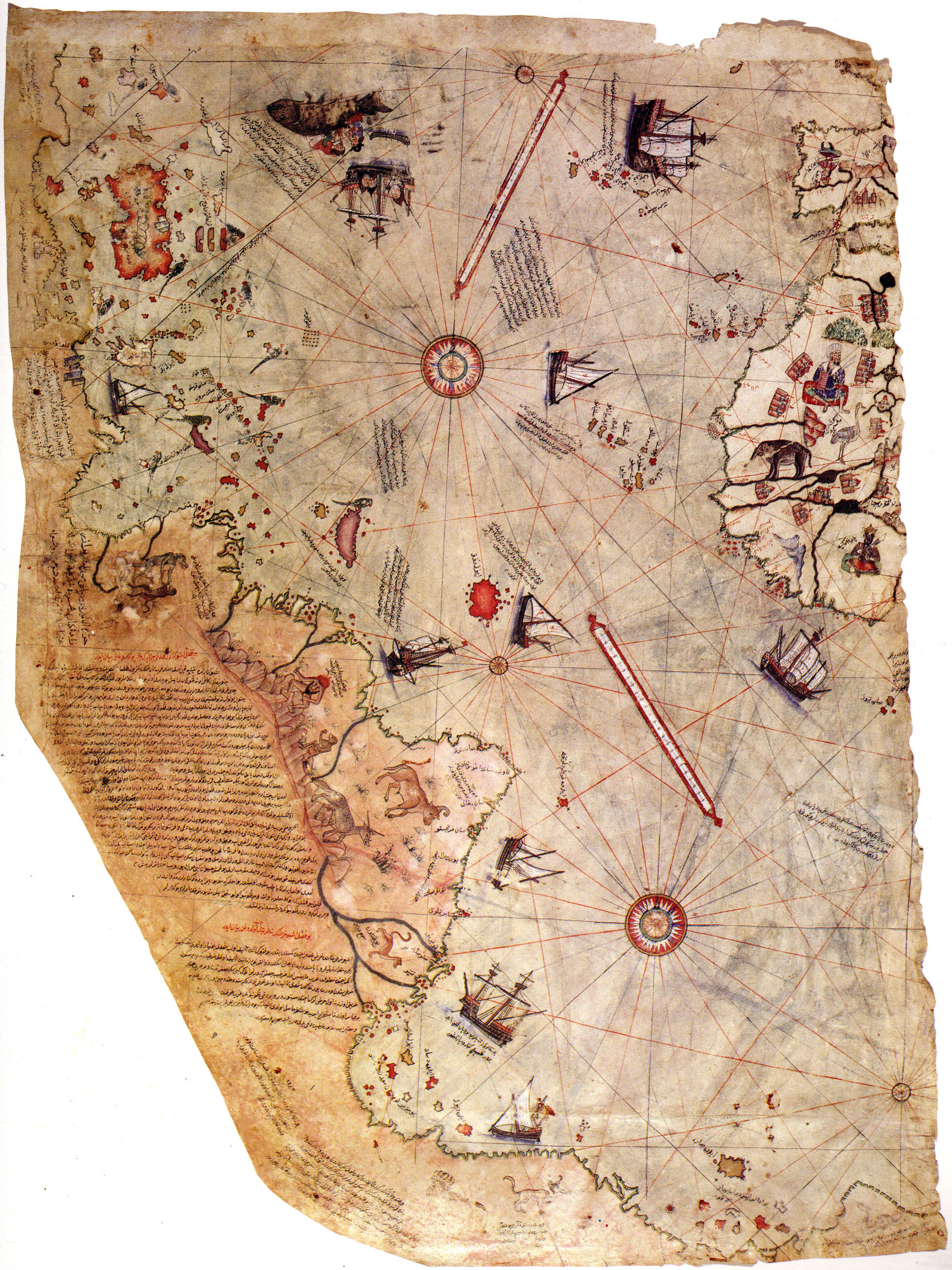
In ‘ Maps of the Ancient Sea Kings ,’ Dr. Charles Hapgood published the Piri Reis Map of Antarctica. This 16th century map shocked the world because it showed Antarctica without ice.

The Piri Reis map was found in Turkey. A Turkish Naval officer sent the map to the U.S. Navy Hydro Graphic Bureau in 1953. M.I. Walters, the Chief Engineer of the Bureau, sent the map to Arlington H. Mallery to be evaluated. Mallery determined that the Piri Reis map was completely accurate and may have been copied from a map made 6,000 years ago.

Map of the world by Ottoman admiral Piri Reis, drawn in 1513. ( Public Domain )

Confirming the Piri Reis Map

The Piri Reis map of Antarctica is very accurate. Using seismic soundings and sonar, researchers found that underneath the ice-cap the coastlines, mountain ranges, plateaus etc. on the Piri Reis map matched the Queen Maud land in Antarctica. Olhmeyer, leader of the British-Swedish expedition to Antarctica wrote Hapgood the following letter:

“Dear Professor Hapgood,
Your request of evaluation of certain unusual features of the Piri Reis Antarctica map of 1513 by this organization has been reviewed. The claim that the lower part of the map portrays the Princess Martha Coast of Queen Maud Land, Antarctic, and the Palmer Peninsular, is reasonable. We find that this is the most logical and in all probability the correct interpretation of the map. The geographical detail shown in the lower part of the map agrees very remarkably with the results of the seismic profile made across the top of the ice-cap by the Swedish-British Antarctic Expedition of 1949.This indicates the coastline had been mapped before it was covered by the ice-cap. This part of Antarctica ice free. The ice-cap in this region is now about a mile thick. We have no idea how the data on this map can be reconciled with the supposed state of geographical knowledge in 1513.”

Harold Z. Olhmeyer Lt. Colonel, USAF Commander


Recommend this post and follow The birth of modern Man

Tuesday, 26 May 2020

Scientists find genes to save ash trees from deadly beetle

MAY 25, 2020, by Queen Mary, University of London
https://phys.org/news/2020-05-scientists-genes-ash-trees-deadly.html

Credit: CC0 Public Domain

An international team of scientists have identified candidate resistance genes that could protect ash trees from the Emerald Ash Borer (EAB), a deadly pest that is expected to kill billions of trees worldwide.

In the new study, published today in Nature Ecology & Evolution, researchers from Queen Mary University of London and the Royal Botanic Gardens, Kew, sequenced the genomes of 22 species of ash tree (Fraxinus) from around the world and used this information to analyse how the different species are related to each other.

Meanwhile, collaborators from the United States Department of Agriculture Forest Service in Ohio tested resistance of over 20 ash tree species to EAB by hatching eggs attached to the bark of trees, and following the fate of the beetle larvae. Resistant ash trees generally killed the larvae when they burrowed into their stems, but susceptible ones did not.

The research team observed that several of the resistant species were more closely related to susceptible species than to other resistant species. This meant the UK-based genome scientists were able to find resistance genes, by looking for places within the DNA where the resistant species were similar, but showed differences from their susceptible relatives.

Using this novel approach, the scientists revealed 53 candidate resistance genes, several of which are involved in making chemicals that are likely to be harmful to insects.

The findings suggest that breeding or gene editing could be used to place these resistance genes into ash species currently affected by EAB.

EAB has killed hundreds of millions of ash trees in North America over the last 10 years. Whilst individual ash trees can be protected by using insecticides, the only long-term solution for saving American ash populations is to breed trees with resistance to EAB.

The beetle is also a threat to European ash populations. It was discovered near Moscow around 15 years ago and has now spread into Ukraine.

In the study, the US researchers found that European ash was more resistant to EAB than the North American species. However, European ash trees are already affected by an epidemic of the fungal disease, ash dieback, and experts are yet to understand how the two threats might interact.

The study also involved colleagues from the United States Department of Agriculture's Agricultural Research Service and the Teagasc Forestry Development Department, Dublin, Republic of Ireland.

Dr. Laura Kelly, an academic visitor at Queen Mary, Research Leader in Plant Health at the Royal Botanic Gardens, Kew and first author of the study, said: "Ash trees are key components of temperate forest ecosystems and the damage caused by EAB also puts at risk the many benefits that these forests provide. Our findings suggest that it may be possible to increase resistance in susceptible species of ash via hybrid breeding with their resistant relatives or through gene editing. Knowledge of genes involved in resistance will also help efforts to identify trees that are able to survive the ongoing threat from EAB, and in turn, could facilitate restoration of ash woodlands in areas which have already been invaded."

Professor Richard Buggs, Professor of Evolutionary Genomics at Queen Mary and Senior Research Leader in Plant Health at the Royal Botanic Gardens, Kew, said: "The emerald ash borer has killed hundreds of millions of ash trees in North America since it was accidentally imported to Detroit from Asia in wooden packaging. The beetle is now spreading across Europe, where we don't yet know how it will interact with the invasive fungal pathogen causing the ash dieback epidemic. We need to be prepared to take decisive action to stop the spread of pests and pathogens that damage trees and the natural environment, as well as pathogens that attack humans."

Dr. Jennifer Koch, Research Biologist with the United States Department of Agriculture Forest Service, said: "These candidate resistance genes, once validated, have the potential to greatly expedite the breeding process and the production of improved planting stock for restoration of forests and landscapes decimated by EAB."

Professor Melanie Welham, BBSRC's Executive Chair, said: "These significant research findings demonstrate the importance of international collaboration to further fundamental knowledge of pathogen biology. By having a better understanding of the implications of tree diseases globally we are able to ensure appropriate approaches to their management."

Recommend this post and follow The Life of Earth