Wednesday, 31 August 2022

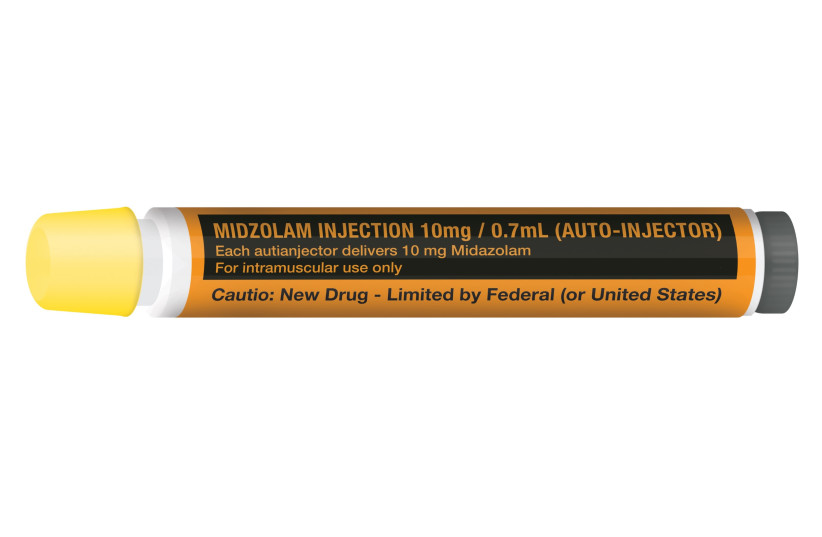
Medical Science News: Israeli company gets FDA approval for seizure-treating injector


Israeli company gets FDA approval for seizure-treating injector


Manufactured in Jerusalem, the EpiPen-style autoinjector is meant to treat prolonged seizures in adults exposed to nerve agents. 


Is narcissism a mental health problem? And can you really diagnose it online?

AUGUST 30, 2022, by Paula Ross and Nicole Lee, The Conversation

Credit: Unsplash/Laurenz Kleinheider, CC BY

It's not uncommon these days to hear someone—such as an ex romantic partner or a politician—described as a "narcissist."

Singer Robbie Williams recently told an interviewer he took an online test to see if he was one. He revealed the test suggested a "mild indication of narcissistic personality disorder."

But what is narcissism, when is it a problem and can an online test really provide a reliable diagnosis?

A fixation on oneself

According to the Greek myth, a beautiful young man called Narcissus fell in love with his own reflection in a pool of water. He stayed staring at it for the rest of his life. His name gave rise to the term "narcissism," characterized by a fixation on oneself.

Narcissism is a cluster of traits along a range of severity. At one end of the spectrum, people may be confident, charming and well-adapted.

In the middle of the spectrum, people may be overly focused on seeking out status, success and admiration at work or in their social lives. They can have a need to appear perfect, special or superior to others in order to feel OK about themselves.

At the very extreme end, it may become a disorder in which people can be self-centered, grandiose and destructive.

What's 'narcissistic personality disorder'?

"Narcissistic personality disorder" is a mental health diagnosis given to people with extremely narcissistic traits. These traits have reached the point where they start to impact on the person's ability to function at work or socially.

Narcissistic personality disorder is relatively rare. It is estimated around 1% of the population has a diagnosable form of the condition.

Men tend to be more narcissistic than women. There is no evidence that young people are more narcissistic than previous generations at the same age.

Their symptoms are described as "pervasive", meaning they are obvious across all of a person's activities, not just in specific situations. So, on the face of it, pop star Robbie William's insistence his score on the quiz reflected only his narcissistic personality on stage is not quite accurate.

People with narcissistic personality disorder tend to overestimate their abilities and exaggerate their achievements. And they are surprised or angry when others don't notice their accomplishments.

They need constant confirmation of their value, specialness or importance. They may have fantasies about power, success, having perfect lives or relationships, believing these are not only achievable but deserved.

Specialness by association

People with narcissistic personality disorder might talk a lot about how people in their lives are extra special in some way—such as being the very best at something or leaders in a particular field—because it increases their own sense of specialness by association.

When their status or superiority is challenged they can respond with extreme anger, rage or belittling the person and their opinion. They find it difficult to tolerate the thought they may be flawed or vulnerable in some way.

In relationships, they can have exceedingly high expectations of devotion from partners and friends, but may themselves be low in empathy and lack of awareness of others' needs. They may be envious of and unable to celebrate the success of others, and respond by devaluing them.

They are often unaware of the impact of their behaviors on others.

How is it diagnosed?

Diagnosis should only be made by a mental health professional. Trying to diagnose yourself or someone else with an online quiz may give you results that are misleading and unhelpful.

Narcissistic personality disorder is a cluster of symptoms on a continuum and many diagnoses share similar symptoms. For a proper diagnosis, a clinician needs to assess which cluster of symptoms is present, how far along the continuum they are, and which other diagnoses to exclude.

But a symptom checklist might help you work out whether you should consider seeing a mental health professional for further assessment or support.

How do people get this way?

We don't know exactly what causes narcissistic personality disorder.

There is probably a genetic component. Traits such as aggression, poor emotional regulation and low tolerance to distress tend to be high in people diagnosed with narcissistic personality disorder.

Certain experiences in childhood are also more likely to lead to narcissistic personality disorder. These might be either particularly negative, such as trauma or rejection, or overly positive, such as excessive praise or being constantly told you have extraordinary abilities. Parenting styles that are either very neglectful or overly protective are also associated with the development of narcissism.

People with narcissistic personality disorder often have other mental health conditions, particularly mood disorders. They also have a high rate of suicide. These conditions may have a common cause or they may be a result of the difficulties people with narcissistic personality disorder have with social interactions.

Can it be treated?

Narcissistic personality disorder is a lifelong condition that is considered manageable but not curable. There is no standard medicine or psychological treatment for narcissistic personality disorder.

Psychological treatment aims to reduce the severity of symptoms, improve mood, manage impulses, and build communication and relationship skills. One of the main goals of therapy is to develop more realistic expectations of others.

Medicines that help with other mental health problems like anxiety, depression and bipolar disorder may also help reduce some symptoms.

People are more likely to seek help for another mental health condition, such as depression. Getting treatment for these conditions can also positively impact on personality disorder symptoms.


Recommend this post and follow
The birth of modern Man
https://chuckincardinal.blogspot.com/

Wildlife crossings potentially save millions of dollars annually in Washington state

AUGUST 30, 2022, by Sara Zaske, Washington State University


The state of Washington has 22 wildlife crossings, the majority of which are on I-90 like this overcrossing. 
Credit: WSDOT.

Crossings over highways intended to preserve biological diversity also appear to reduce wildlife-vehicle collisions in Washington state, saving roughly $235,000 to $443,000 every year per structure.

A Washington State University economic analysis found there were 1 to 3 fewer collisions involving wildlife per mile, each year in a 10-mile radius around each wildlife crossing in the study.

"Wildlife crossing structures not only benefit the ecosystem but may also improve road safety," said Wisnu Sugiarto, a WSU economics doctoral student and author of the study published in the Transportation Research Record: Journal of the Transportation Research Board.

Wildlife crossings are designed to help animals move in search of food and to escape predators and wildfires, but this is the first known study to look at the reduction in wildlife-vehicle collisions in Washington state. Sugiarto noted that similar evidence has been found by studies in North Carolina, Utah and Wyoming. There soon may be many more structures across the country since $350 million was allotted in the federal Infrastructure Investment and Jobs Act signed into law in 2021.

Washington state currently has a total of 22 wildlife bridges and underpasses. Half of the state's wildlife crossings are found in Kittitas County where that interstate bisects the Cascades, a major division of habitat for many animals. These types of structures can range in cost from $500,000 for a tunnel-like underpass to over $6 million for a broad bridge like the one near the Snoqualmie Pass on Interstate 90.

For this study, Sugiarto analyzed collision data from the Washington State Department of Transportation from 2011 to 2020 before the pandemic changed travel patterns. Adjusting for construction time and closeness of other structures, Sugiarto examined data related to 13 bridges and underpasses, comparing wildlife-vehicle collisions before and after the structures were built. He also used an area elsewhere in the state with no structures for comparison.

More consistent, significant reductions in collisions were around bridges. Deer are the animals most likely to be involved in vehicle collisions, which cost on average about $9,000 per accident. Camera traps also show that deer seem to use bridge crossings more often. Underpasses appear to be more popular with predators like black bears.

This study relied on official reports of wildlife-vehicle collisions, which are only required when damage is $1,000 or more. Future research might look at insurance claims, which would reveal more data and potentially show greater benefits from these structures, the researcher said.

During the study time-period, there were more than 1,600 wildlife-vehicle crashes every year in the state with about 10% resulting in human injury and even a few deaths. Decreasing these accidents would reduce unnecessary trauma and potentially save lives in addition to saving money, Sugiarto said. Most of the accidents involved "safe drivers," those who were sober and driving without distractions like texting.

"We often talk about things that we can and cannot control," said Sugiarto. "From a driver point of view, they may choose to drive safely, but still, unfortunately, there are animals that cross the road, and they end up hitting them. This shows there's something we can do about these collisions."


Recommend this post and follow
The Life of Earth

The Last Member of An Isolated Amazon Tribe Dies Alone

HUMANS: 31 August 2022, By CARLY CASSELLA

The Man of the Hole. 
(Vincent Carelli, Corumbiara via Survival International/YouTube)

They found his body in a hammock, adorned by feathers, the last remaining member of his tribe.

For 26 years, nearly 9,500 days and nights, the man with no known name had neither spoken to nor touched a single other human.

He was known to the wider world as the "Man of the Hole" for the dozens of deep pits he dug on his land, likely for hunting, hiding, or ceremonial purposes, it is thought.

His home, an 8,000 hectare rainforest, stands like an island amidst a sea of encroaching farms and cattle ranches.

In his last years, he stood as a symbol of Indigenous resilience.

On 27 August 2022, officials at Brazil's Indigenous Affairs Agency (Funai) announced the roughly 60-year-old man had died of what looked like natural causes.

"He symbolized both the appalling violence and cruelty inflicted on Indigenous peoples worldwide in the name of colonization and profit, but also their resistance," says Fiona Watson, the research and advocacy director of Survival International, a global organization working to protect tribal peoples' rights.

"We can only imagine what horrors he had witnessed in his life, and the loneliness of his existence after the rest of his tribe were killed, but he determinedly resisted all attempts at contact, and made clear he just wanted to be left alone."

Starting in the 1970s, the Man of the Hole's tribe became the target of a bloody massacre.

Their fertile slice of the western Brazilian Amazon rainforest, in the Tanaru Indigenous Territory in RondƓnia state bordering Bolivia, is highly coveted by farmers, loggers, ranchers and miners.

Without proper government protection, his people were brutally poisoned and killed.

In the early 1990s, only seven tribe members remained, and six were slaughtered in 1995 by illegal miners. No one has ever been held responsible.

It took a year for Funai to realize the Man of the Hole was still alive, from which point they kept a close eye on him.

In 1998, access to his land was severely restricted by Brazilian officials in an attempt to protect him from further harm.

Nevertheless, in 2009, Funai found cartridge shells on his land as well as signs of damage to a Funai post where agents were occasionally stationed to protect the man.

After a few attempts at making contact, Funai ultimately decided to leave the man alone. He showed no signs of wanting a helping hand.

A bit of footage exists, but that's it.

https://youtu.be/DOdCiuf5tvY

Now that the Man of the Hole is dead, organizations like Survival and OPI, the Observatory for the Human Rights of Uncontacted and Recently-Contacted Peoples, have demanded permanent protection of the Tanaru Indigenous Territory.

They want it to stand as a memorial to Indigenous genocide.

"If [Brazilian] President [Jair] Bolsonaro and his agribusiness allies get their way, this story will be repeated over and over again until all the country's Indigenous peoples are wiped out," says Watson.

"The Indigenous movement in Brazil, and Survival, will do everything possible to ensure that doesn't happen."

Today, Brazil's original inhabitants are in serious trouble.

In 2020, the nation saw a 61 percent increase in Indigenous murders from the year before, reaching 182 homicides.

Brazil's constitution grants indigenous peoples the right to their traditional land, and a protection order has been in place for the Tanaru Indigenous Territory since the late 1990s. But Funai has only federally recognized a limited number of these isolated groups. The rest don't receive government protection.

Since taking office in 2019, media reports indicate that President Bolsonaro supports the destruction of the Amazon rainforest for profit.

Satellite monitoring actually shows that deforestation in the Amazon has increased with the rise of such rhetoric, and some are worried that the ecosystem will collapse completely if Bolsonaro maintains power.

Who can say what will become of the Tanaru Indigenous Territory now that the Man of the Hole is no more.


Recommend this post and follow
The birth of modern Man

Tuesday, 30 August 2022

What the Lost Ancient Technologists won't show you about the Loin Cloth Wearing Primitives of Egypt

SGD Sacred Geometry Decoded
Aug. 30, 2022

Lost ancient high technologists love to describe the ancient Egyptians as "Loin cloth wearing primitives" only to then claim statues of loin cloth wearing peoples are evidence of advanced lost ancient technology.

They love to complain about being censored whilst censoring like North Korean political cadre.

They show the same images and video clips over and over, telling their audience to think and research for themselves.

The fact that Rekhmire's Tomb TT100 is used a standard by them shows either one of two things. They share the same image without any idea of where it comes from and what it really tells us. Or they have done primitive level research and are covering it so as not to show their audience (customers) the evidence that ruins their own case.

Lost Ancient High Technologists are scammers.

Here's the book by Denys A Stocks, a forbidden esoteric text surely because it has never been found by the diligent honest researchers of Lost Ancient High Technology

https://archive.org/details/Experimen...

Here's a playlist of my experiments with granite since Lost Ancient High Technologists wouldn't do anything. All the while citing the faked experiments and terrible analysis of Christopher Dunn.

https://youtu.be/lJEdwC0D_is


Recommend this post and follow
The birth of modern Man

A Hidden Landscape We Can No Longer See May Explain The Mystery of The Pyramids

30 August 2022, By CLARE WATSON


Pyramids of Giza. 
(Nick Brundle Photography/Moment/Getty Images)

Seeing the famed pyramids of Giza as they stand today – immovable, impenetrable fortresses surrounded by windswept sands and a sprawling metropolis – it's hard to imagine the day they were built.

These stone labyrinths, constructed to honor the dead and carry them into the afterlife, were erected around 4,500 years ago without modern technology and with astounding precision.

But Egyptians needed a whole lot more than a few primitive ramps to ferry the hugely heavy stone blocks into position.

A new study suggests favorable environmental conditions enabled the construction of the pyramids of Giza, with an ancient arm of the Nile River serving as a navigable conduit for freight transport.

"To edify the plateau's pyramids, tombs, and temples, it now seems that ancient Egyptian engineers took advantage of the Nile and its annual floods, using an ingenious system of canals and basins that formed a port complex at the foot of the Giza plateau," physical geographer Hader Sheisha of Aix-Marseille University in France and colleagues write in their paper.

"However, there is a paucity of environmental evidence regarding when, where, and how these ancient landscapes evolved."

Archeologists have thought for some time that Egyptian pyramid builders might have dredged waterways from the Nile River to form canals and harbors, harnessing annual floods that would act like a hydraulic lift to transport building materials.

The port complex that archeologists hypothesize serviced the pyramids of Khufu, Khafre, and Menkaure currently lies more than 7 kilometers (or 4.3 miles) west of the present-day Nile River. The inlets also had to be deep enough to keep barges laden with stones afloat.

Core drillings taken during urban engineering works around modern-day Giza have yielded stratigraphic evidence of rock layers that are consistent with an ancient branch of the Nile extending towards the base of the pyramids.

But questions linger about how Egyptians engineered water access to the pyramids of Giza. At the time they were being built, northern Egypt was in the throes of some extreme climatic changes, with flash flooding repeatedly ravaging the Lost City of the Pyramids, Heit el-Ghurab, which housed seasonal workers.

In this study, the researchers turned to fossilized pollen grains to paint a more detailed picture of the river system as it ran millennia ago. Pollen grains can be preserved in ancient sediments and have, in other studies, been used to reconstruct past climates and vegetated landscapes that look wildly different today.

Extracting pollen grains from five cores drilled on the present-day Giza floodplain east of the pyramid complex, the team identified an abundance of grass-like flowering plants which line the banks of the Nile River and marsh plants that grow in lake-edge environments.

This, they say, reveals the presence of a permanent waterbody that cut through the Giza floodplain and swelled thousands of years ago.

From there, they traced the rise and fall of water levels in the Khufu branch of the Nile River over 8,000 years of Egyptian dynastic history, relating their results to other historical records.

"Our 8,000-y reconstruction of Khufu-branch levels improves understanding of fluvial landscapes at the time of the construction of the Giza Pyramid Complex," Sheisha and colleagues write.

"The Khufu branch remained at a high-water level… during the reigns of Khufu, Khafre, and Menkaure, facilitating the transportation of construction materials to the Giza pyramid complex."

Location of the cores (red dots) on the Giza floodplain.

But after the reign of king Tutankhamun, who ascended around 1349 to 1338 BCE, the Khufu branch of the Nile gradually declined until it reached its lowest documented levels in the last 8,000 years towards the end of the dynastic period.

That fall correlates with chemical markers in the teeth and bones of Egyptian mummies that similarly suggest an arid environment, along with other historical records.

Like with all archaeological studies, however, chronological date ranges – of pharaohs' reigns and environmental change – can vary widely, so we should take these results with a grain of salt.

But by linking environmental and historical data, the study provides much more direct evidence than when archaeologists looked for missing fractals – exquisite, self-repeating patterns found often in nature – to deduce that ancient Egyptians might have carved out river channels when building the Dahshur pyramids, further south of Giza.

"It is difficult to believe the gigantic footprint the Egyptians have left," University of Innsbruck geologist Arne Ramisch told New Scientist at the time.

The researchers behind this latest study suggest similar approaches could be used to reconstruct ancient waterscapes that lapped other Egyptian pyramid complexes, including the Dahshur necropolis, when these monumental edifices were built.


Recommend this post and follow
The birth of modern Man

Beetles rely on unique 'back pockets' to keep bacterial symbionts safe during metamorphosis

AUGUST 30, 2022, by Frontiers


Adult of the beetle Lagria villosa. 
Credit: RS Ranke

Beetles of the genus Lagria need a little help from their bacterial friends throughout their immature life stages. But keeping them in the same spot throughout life isn't feasible. This is because beetles are holometabolous insects, which undergo an overall bodily reorganization (metamorphosis) as pupae.

Here, scientists show for the first time that the beetles have evolved an ingenious solution to this problem: female pupae keep their symbiotic bacteria in specialized pockets on their back. When they emerge as adults, they shuffle the bacteria out of these pockets, backwards and then on into their genital area.

"Here we show how an insect can maintain beneficial microbial partners despite the drastic rearrangements of body structures that occur during metamorphosis," said corresponding author Dr. Laura V Flórez, a researcher at the Department of Plant and Environmental Sciences of the University of Copenhagen. "By modifying unique 'pockets' on their backs, Lagria beetles manage to keep their protective symbionts and facilitate their relocation during pupation to newly developed adult organs."

https://youtu.be/WSkrpXt6jtE
μCT (computerized tomography) scan of a Lagria villosa pupa, showing the three unique storage pockets for the bacterial symbionts in red. Interior organs are also shown. 
Credit: LV Flórez, RS Janke, S Moog, B Weiss, M Kaltenpoth

Unique 'back pockets'

Females of many Lagria species carry a mix of beneficial bacteria in their accessory glands, a pair of glands next to the oviduct. When females lay eggs, the bacteria are 'squeezed' out of the glands and deposited onto the eggs' surface. Antibiotics produced by the bacteria protect, eggs, larvae, and pupae of the beetles against fungi. In one of the species studied here, L. villosa, the largest component of the symbiotic mix is a strain of Burkholderia bacteria called Lv-StB, which has lost the genes and cellular structures for motility, and likely can't survive for long outside the beetles.

Flórez and colleagues show that in L. villosa and L. hirta female pupae, the symbionts mostly live inside the three two-lobed pockets on the back of the thorax, where they may be nourished by the beetles. Such 'back pockets' in larvae and pupae aren't known in any other insect. In female pupae, symbionts also congregate in a fourth spot, between bristles at the back of the head. The pockets are only vestigial in male pupae, and contain few or no symbionts. In adult females, the symbionts exclusively live inside the accessory glands, which are absent in males.

Larvae of the beetle Lagria villosa. Credit: RS Ranke

'Long and winding road'

"The symbionts go from the highly exposed egg surface to colonize the pockets on the back of the larvae and pupae. Finally, they end up in specialized glands associated with the reproductive system of adult females," summarized first author Rebekka S Janke, a doctoral student at the Johannes Gutenberg University of Mainz.

But how do the bacteria colonize the accessory glands after pupation? To answer this question, the authors scattered approximately 1m polystyrene fluorescent beads, 1.0 μm wide, across early pupae. They then show that after emergence, the majority of these beads ended up on the tip of the abdomen. The authors conclude that the beads, like presumably the symbionts, are shuffled towards the genitals by friction during the emergence process. The mechanism by which the symbionts then colonize the accessory glands of females is not yet known.

"In the adult stage, the main purpose of the symbiotic organs seems to be to enable successful transmission onto the egg stage and to the next generation. Since only females lay eggs, male adults do not need to carry these potentially costly symbionts and are a dead-end for the bacteria," said Flórez.

Coauthor Dr. Martin Kaltenpoth, a professor at the Max Planck Institute for Chemical Ecology in Jena, added: "To better understand how beneficial symbionts are transmitted and maintained within and across generations, we'll need to identify which host and symbiont factors regulate symbiont establishment. For example, does the host select for specific symbionts? And through which mechanisms can immotile symbionts colonize the symbiotic organs?"


Recommend this post and follow
The Life of Earth

Health & Wellness News: What's the difference between 300 calories of french fries vs. almonds?


What's the difference between 300 calories of french fries vs. almonds?


Almonds are a superfood rich in high-quality protein, vitamins, minerals, and a zero glycemic index.


 By 103FM Published: AUGUST 29, 2022  

                      
Illustrative image of Fench fries. ( Chips ) (photo credit: PIXABAY)


Numerous studies have recently come out that show that snacking on peanuts makes you feel more full and therefore makes you eat less calories, resulting in weight loss. 

A new study decided to check if the feeling of satiety is from eating fat without any relation to the nutritional value. They, therefore, decided to check the effect of – wait for it – french fries.

French Fries vs Almonds

They took one of the most unhealthy foods with a high percentage of fat and compared it to the consumption of almonds, a superfood rich in high-quality protein, vitamins, minerals, and a zero glycemic index; this, in addition to 60% high-quality fat.

Dr. Maya Roseman shared the results of the study on 103FM, explaining that the study had people take a snack with the same caloric value of 300 calories, either french fries or almonds. They monitored the peoples' weights, fat percentages and diabetes test results.

A weight loss myth busted

After 30 days, there was no difference in the percentage of fat and weight and there was almost no difference at all in the diabetes indicators.

Dr. Roseman explained that quite a few myths about almonds need to be busted.

"Many people think roasted almonds have more calories, but that's not true," she said. "The number of calories written on the different packs of almonds vary between 580 and 620 calories per 100 grams, whether the almonds are roasted or not."


"Many people think roasted almonds have more calories, but that's not true." Dr. Maya Roseman

She further stated that "from a nutritional point of view, there is almost no difference in the number of vitamins and minerals in roasted almonds and unroasted almonds; there's almost no difference in the number of fatty acids, nor in proteins."

She conceded that the only difference is in the amount of salt. Roasted almonds have approximately 100 milligrams of sodium in 100 grams of almonds, which means that a portion of 15 almonds contains only 100 milligrams of sodium – less than a tenth of a teaspoon of salt, which is not a large amount.

Ketchup with the latest Healthy Eating news on Chuck's " Life of Earth " blog 


THIS PAGE WAS POSTED BY SPUTNIK ONE OF THE SPUTNIKS ORBIT BLOG

HTTPS://DISQUS.COM/HOME/FORUM/THESPUTNIKSORBIT-BLOGSPOT-COM/

PLEASE RECOMMEND THIS PAGE AND FOLLOW US AT:


Sugar disrupts microbiome, eliminates protection against obesity and diabetes

AUGUST 29, 2022, by Columbia University Irving Medical Center

Graphical abstract. Credit: Cell (2022). DOI: 10.1016/j.cell.2022.08.005

A study of mice found that dietary sugar alters the gut microbiome, setting off a chain of events that leads to metabolic disease, pre-diabetes, and weight gain.

The findings, published today in Cell, suggest that diet matters, but an optimal microbiome is equally important for the prevention of metabolic syndrome, diabetes, and obesity.

Diet alters microbiome

A Western-style high-fat, high-sugar diet can lead to obesity, metabolic syndrome, and diabetes, but how the diet kickstarts unhealthy changes in the body is unknown.

The gut microbiome is indispensable for an animal's nutrition, so Ivalyo Ivanov, Ph.D., associate professor of microbiology & immunology at Columbia University Vagelos College of Physicians and Surgeons, and his colleagues investigated the initial effects of the Western-style diet on the microbiome of mice.

After four weeks on the diet, the animals showed characteristics of metabolic syndrome, such as weight gain, insulin resistance, and glucose intolerance. And their microbiomes had changed dramatically, with the amount of segmented filamentous bacteria—common in the gut microbiota of rodents, fish, and chickens—falling sharply and other bacteria increasing in abundance.

Microbiome changes alter Th17 cells

The reduction in filamentous bacteria, the researchers found, was critical to the animals' health through its effect on Th17 immune cells. The drop in filamentous bacteria reduced the number of Th17 cells in the gut, and further experiments revealed that it's the Th17 cells that are necessary to prevent metabolic disease, diabetes, and weight gain.

"These immune cells produce molecules that slow down the absorption of 'bad' lipids from the intestines and they decrease intestinal inflammation," Ivanov says. "In other words, they keep the gut healthy and protect the body from absorbing pathogenic lipids."

Sugar vs. fat

What component of the high-fat, high-sugar diet led to these changes? Ivanov's team found that sugar was to blame.

"Sugar eliminates the filamentous bacteria, and the protective Th17 cells disappear as a consequence," says Ivanov. "When we fed mice a sugar-free, high-fat diet, they retain the intestinal Th17 cells and were completely protected from developing obesity and pre-diabetes, even though they ate the same number of calories."

But eliminating sugar did not help all mice. Among those lacking any filamentous bacteria to begin with, elimination of sugar did not have a beneficial effect, and the animals became obese and developed diabetes.

"This suggests that some popular dietary interventions, such as minimizing sugars, may only work in people who have certain bacterial populations within their microbiota," Ivanov says.

In those cases, certain probiotics might be helpful. In Ivanov's mice, supplements of filamentous bacteria led to the recovery of Th17 cells and protection against metabolic syndrome, despite the animals' consumption of a high-fat diet.

Though people do not have the same filamentous bacteria as mice, Ivanov thinks that other bacteria in people may have the same protective effects.

Providing Th17 cells to the mice also provided protection and may also be therapeutic for people. "Microbiota are important, but the real protection comes from the Th17 cells induced by the bacteria," Ivanov says.

"Our study emphasizes that a complex interaction between diet, microbiota, and the immune system plays a key role in the development of obesity, metabolic syndrome, type 2 diabetes, and other conditions," Ivanov says. "It suggests that for optimal health it is important not only to modify your diet but also improve your microbiome or intestinal immune system, for example, by increasing Th17 cell-inducing bacteria."


Recommend this post and follow
The Life of Earth

Monday, 29 August 2022

Tasmanian tigers, mammoths: Are de-extinction projects human vanity?

Date 19.08.2022, Author Fred Schwaller

Tasmanian tigers have been extinct since the 1930s.

You might have heard of the project to bring the woolly mammoth back from extinction. In 2021, the Texas-based biotechnology company Colossal announced their plans to use genetic engineering to recreate the animal and return it to the Arctic tundra, its original natural habitat.

Mammoths aren't the only de-extinction target of Colossal — they recently teamed up with scientists in Australia for the plan to bring back the Tasmanian tiger, also known as the thylacine. The marsupial went extinct in the 1930s and was native to the island of Tasmania, where it had lived for around 2 million years.

The Tasmanian tiger projectis funded by a $5 million (€4.9 million) gift from philanthropists, who had been impressed by the scientists' success in sequencing the genome of a museum specimen. The scientists will work with stem cells taken from the closest related living species, the fat-tailed dunnart, which they plan to convert to those of a Tasmanian tiger by using gene-editing technologies. If the conversion works, the stem cells can then be made into an embryo, which can either be grown in a lab or transferred to a surrogate dunnart mother.


A pair of Tasmanian tigers that lived at the US National Zoological Park in Washington DC from 1902 to 1905

Scientists hope that establishing populations of animals like the Tasmanian tiger and woolly mammoth can help rebuild biodiversity.

De-extinction candidates

Colossal is not the only organization attempting to bring species back from extinction. Scientists have been trying to recover a range of extinct species after rapid advancements in cloning and stem-cell technologies.

Target species include the Aurochs, the ox-like animal depicted in the Lascaux cave paintings.

LASCAUX CAVE PAINTINGS IN FRANCE WERE DISCOVERED 80 YEARS AGO

Overlapping paintings

Many generations of artists were at work in the cave, and paintings and engravings were created on top of older ones, which is difficult for non-experts to make out. In the Lascaux workshop, individual artworks are projected onto a screen in chronological order. A herd of horses is hidden beneath the large cow and upon closer inspection, a three-sided emblem becomes visible.

(more paintings on original post)

In fact, scientists have already brought back an animal from being extinct — but the success was short-lived. In 2003, cloning projects brought back the Pyrenean ibex, making it the first and only animal to successfully make it through the de-extinction process past birth. However, it lived for only seven minutes before succumbing to a lung defect, making it the sole species in history to go extinct twice.

The most promising de-extinction candidate is the passenger pigeon. Ongoing work from the non-profit organization Revive and Restore is creating a hybrid between the extinct passenger pigeon and its closest living relative, the band-tailed pigeon. The hybrid animal is expected to be ready in 2024 and released into the wild in North America in 2030.

De-extinction or conservation?

While de-extinction has been promoted as a visionary output of scientist advancements, experts also question whether it is a good idea. It's hard to ignore that de-extinction projects are driven in part by human guilt for having caused many of these species to die out in the first place.

Conservationists point out that resources could be better spent conserving species currently alive at a time when more than 1 million species are at risk of going extinct, the majority due to human civilization.

"Any sober look at the situation, and you see that huge amounts of money are being diverted away from conservation programs," Faysal Bibi, a paleontologist at the Museum of Natural History in Berlin, told DW.

Bibi also highlighted real concerns about the sustainability of de-extinction.

"If we did manage to bring back mammoths, how much conservation work would be needed to make these animals survive in the wild? It would surely divert attention away from conservation and rewilding efforts of other animals like wolves or bears," said Bibi.

There is hope, however, that de-extinction projects like those from Colossal might build support for conservation efforts for animals that still live on our planet.

"De-extinction is part of human ingenuity and curiosity to push boundaries, and this should be celebrated. It might also hold some political selling power for conservation. De-extinction has pros and cons, and we need a certain amount of healthy skepticism," Bibi said.

De-extinction technologies can help conservation projects

One of the benefits of de-extinction is that technologies for bringing back animals that died out are also being used in conservation projects to boost the numbers of critically endangered animals. High priority species include the northern white rhinoceros, of which there are only two individuals left.

In 2020, the first clone of the Przewalski's horse was born at San Diego Zoo. The species is extinct in the wild and the 2,000 remaining individuals in zoos and reserves descend from only 12 wild ancestors. Such restricted breeding means the species is at risk of low genetic diversity, harming the chances of survival if rewilded.

Around 2,000 Przewalski's horses live in captivity, but none remain in the wild.

Parts of the clone's DNA are from frozen samples of a wild Przewalski's horse stallion. The were fused with an egg from a female domestic horse.

"Now, the [de-extinction process] is contributing to reversing losses of genetic diversity and contributing to population sustainability," Oliver Ryder, director of genetics at the San Diego Zoo Global, said in a statement.

The hope is that biotechnologies like these can be used as one initiative alongside major social and political conservation programs to save more species from going extinct.

(See original post for 6 min. vid CC)


Recommend this post and follow
The Life of Earth

Surprise Discovery Shows Some Crops Grow Better in Cities Than on Farms

29 August 2022, By DAVID NIELD

City-grown foodstuffs.
  (Roots in the City Community Garden in Liverpool).

Crops including cucumbers, potatoes and lettuce can have yields up to four times as high when they're grown in urban rather than rural areas, new research reveals – and that's an important finding for the future of farming.

Right now, it's thought that 15–20 percent of global food is grown in cities, including 5–10 percent of all legumes, vegetables and tubers. But we need a lot more data to figure out whether or not bulging cities can support themselves.

As city living continues to become more common across the world, the team behind the new study wanted to investigate the viability of urban agriculture as a way of improving food security, resilience, and sustainability.

"Despite its growing popularity, there's still quite a lot we don't know about urban agriculture, like whether the yields are similar to conventional agriculture, or even what crops are commonly grown," says environmental scientist Florian Payen, from Lancaster University in the UK.

Through an analysis of 200 previous studies – covering 53 different countries and more than 2,000 data points – the team was able to get some definitive answers. Crucially, the analysis covered 'gray' spaces (like roads and rooftops) as well as green spaces (such as parks and allotments).

In terms of which urban spaces work best for crop growing, there was no clear winner. However, some types of crops are particularly well suited to certain ways of growing, the research shows.

For example, watery vegetables (such as tomatoes) and leafy greens have high yields in hydroponic environments, where water is used instead of soil.

Foods like lettuces, kale and broccoli are more naturally suited to being grown vertically, the researchers found. The study also showed that urban farming is going to work better for certain types of produce than others.

"Surprisingly, there were few differences between overall yields in indoor spaces and outdoor green spaces, but there were clear differences in the suitability of crop types to different gray spaces," says Payen.

"You can't exactly stack up apple trees in a five or ten-layer high growth chamber, though we did find one study that managed to grow wheat stacked up like that."

What remains unclear is just how cost-effective urban farming is versus rural farming. The cost of running climate-controlled environments for growing food and employing any required staff are both factors to consider.

Developing urban agriculture could be beneficial in a whole host of different ways – from being better equipped to survive the next pandemic to reducing the environmental cost of food production – and now we have some solid data on just how viable it is.

Further research could look at how easily certain urban farming techniques could be scaled up, and how city pollution might affect the quality of crops. There's still lots to explore, but this is a solid foundation to get started from.

"This is the first step," says Payen. "That's the strength of this dataset, for planners and policymakers to be able to see if it's worth it to invest in rooftop gardens or greenhouses, for example, or if hydroponic systems would be better."

The research has been published in Earth's Future.


Recommend this post and follow
The Life of Earth