The Nevado del Ruiz volcano emits a cloud of ash in Murillo, Colombia on April 6, 2023.
Authorities in Colombia on Saturday recommended that towns closest to a rumbling, notorious volcano be evacuated, ahead of a a possible eruption.
The Disaster Risk Management Office said it was moving to evacuate communities that are located within 15 kilometers (nine miles) from the main crater of three that make up the Nevado del Ruiz volcano in the Colombian Andes.
Seismic activity has increased at the volcano, which killed 25,000 people in an eruption in 1985.
That blast was the worst natural disaster in Colombian history and one of the deadliest volcanic eruptions of the 20th century.
There has recently been a "significant increase in seismic activity," the ministry of mines said in a statement while Colombia's SGC geological service warned of a "probable eruption within days or weeks."
The 5,300-meter (17,400-foot) colossus in western Colombia is one of the many volcanoes along the Ring of Fire, a path around the Pacific basin characterized by active volcanoes and frequent earthquakes.
On November 13, 1985, it erupted and emitted so much heat that it melted the snow that caps the mountain.
This triggered a cascading wall of mud that swallowed the town of Armero, killing half its population of 50,000.
A recent study examined the impact of psychedelic experiences on belief changes. The results revealed significant increases in beliefs related to dualism, paranormal/spirituality, nonmammal consciousness, and mammal consciousness,but not superstition. An increase in nonphysicalist beliefs such as the universe being conscious, the mind working with the brain to generate behavior, or inanimate natural objects having conscious experiences, was observed. The study found that the percentage of believers in a higher power increased from 29% to 59% post-experience, and these changes in beliefs remained largely unchanged years later. Future research will focus on psychedelic research on secular spirituality and well-being.
Johns Hopkins Center for Psychedelic and Consciousness Research’s study found that a single psychedelic experience can significantly alter beliefs about consciousness, purpose, and the universe. The study showed that nonphysicalist beliefs, such as the universe being conscious and inanimate objects having experiences, increased after psychedelic experiences. The percentage of participants identifying as believers of a higher power rose from 29% to 59%. These changes remained consistent even years later.
Johns Hopkins Medicine researchers continue their exploration into psychedelics and how these drugs may produce a wide range of profound changes in perception, cognition and mood. In a recent study, published in the Journal of Psychopharmacology, experts from the Johns Hopkins Center for Psychedelic and Consciousness Research explored belief changes related to psychedelic experiences. They found that a single psychedelic experience increased a range of nonphysicalist beliefs as well as beliefs about consciousness, meaning and purpose. Further, the magnitude of belief changes was associated with qualitative features of the experience.
For the study, the researchers analyzed data gathered between August 2020 and July 2021 on 2,374 people who had a belief-changing psychedelic experience. Participants averaged 35 years of age and were predominately male (67%). Almost half of the participants (43%) indicated that the belief-changing psychedelic experience was their first.
For the survey, participants rated how they felt about 45 belief statements, from before to after they had the psychedelic experience, as well as at the time they filled out the survey.
The results of the analysis revealed the beliefs were divided into five factors:Dualism —
a philosophical position that the mind and body are separable, this is a view that many people hold intuitively (that the mind and body are separate). Paranormal/Spirituality — this factor covered a range of supernatural/paranormal/spiritual beliefs including the existence of telepathy, disembodied spirits and existence of self after death, communication with the dead, reincarnation and whether some people can predict the future or move objects with their mind. Nonmammal Consciousness — refers to whether insects, trees and rocks are capable of having a conscious experience. Mammal Consciousness — refers to nonmammal and mammal consciousness and whether these are “capable of having conscious experience” (e.g., cats and sheep are capable of having a conscious experience). Superstition — refers to beliefs that breaking mirrors, the number 13 and black cats bring bad luck.
Results of the analysis revealed increases in beliefs related to the first four factors. In contrast, belief changes for superstition were not as significant.
Examples of increases in nonphysicalist beliefs included increased belief in:
The mind is a different kind of existence, a spiritual way of being. The universe is conscious. The mind is immaterial and it works with the brain to generate our behavior. Inanimate natural objects (e.g., rocks) are capable of having conscious experience. There is a hidden or deeper purpose to life and all of existence about which many people are unaware. There are hidden or deeper meanings to everyday events beyond both simple factual explanations and more complicated scientific explanations for understanding the world.
“Up to this point we have undertheorized and underemphasized psychedelic-induced belief changes,” says Sandeep Nayak, M.D., lead investigator and assistant professor of psychiatry and behavioral sciences at the Johns Hopkins University School of Medicine. “Guardrails against certain belief changes in clinical use are important, but the extent to which such nonnaturalistic beliefs may be therapeutic is unclear. There’s much more to learn here.”
The percentage of participants who identified as “believers” (e.g., in ultimate reality, a higher power and/or God, etc.) increased from 29% before the psychedelic experience to 59% after the experience. At both the factor and individual item level, higher ratings of mystical experience were associated with greater changes in beliefs. Belief changes assessed after the experience (on average eight years later) remained largely unchanged at the time of the survey.
“The magnitude of belief changes is strongly associated with mystical experience ratings, which are assessed without reference to supernatural beliefs,” says Roland Griffiths, Ph.D., the Oliver Lee McCabe III, Ph.D., Professor in the Neuropsychopharmacology of Consciousness at the Johns Hopkins University School of Medicine, and founding director of the Johns Hopkins Center for Psychedelic and Consciousness Research. “Major features of such experiences include a sense of connectedness, preciousness and validity. These features may account for changes in beliefs such as increases in a sense of purpose and meaning of life, and that the universe is conscious.”
The researchers say that future studies at the center will focus on empirical psychedelic research on secular spirituality and well-being.
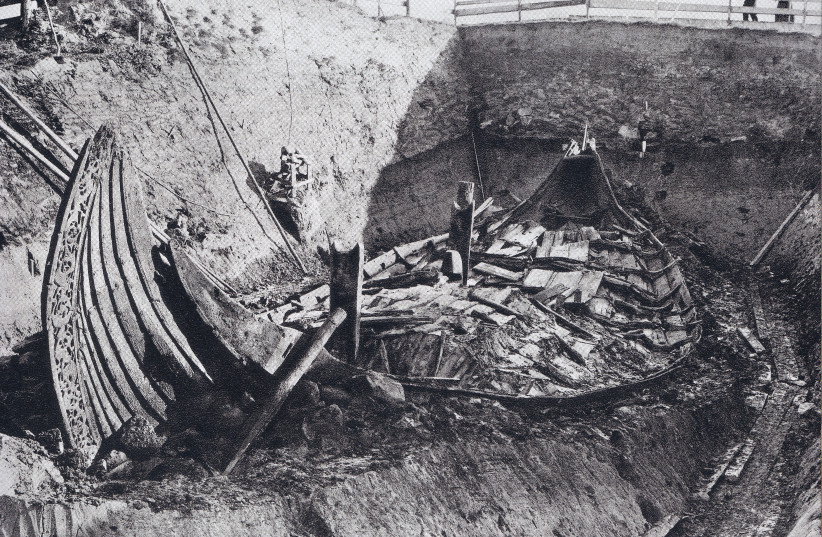
The Oseberg ship at archeological site in Norway (illustrative).
(photo credit: Wikimedia Commons)
New radar data has revealed that an ancient Norwegian Viking burial
ground, previously thought to be empty, actually contains the remains of
a 1,200-year-old Viking ship.
According to reports from
Live Science and local science news source ScienceNorway,
archaeologists began using georadar in the summer of 2022 - also called
penetrating radar - to search an old archeological site that had been
originally excavated in 1904 and found to be disappointingly empty.
Georadar uses radio waves to map out underground landscapes, according to ScienceNorway.
Seemingly 'empty' burial mound is hiding a 1,200-year-old Viking ship
“The georadar signals clearly show the shape of a 20-meter-long ship.
It’s quite wide and reminiscent of the Oseberg ship,” Håkon Reiersen,
an archaeologist at the Museum of Archaeology at the University of
Stavanger, told ScienceNorway.
The
site, a grave mound on the island of Karmoy in western Norway, was
discovered by archeologist Haakon Shetelig over 100 years ago. At the
time, according to ScienceNorway, Shetelig found only a handful of
wooden tools and arrowheads.
Farm on Karmøya, Haugesundet, Rogaland, Norway. (credit: Wikimedia Commons)
“He was incredibly disappointed, and nothing more was done with this mound,” said Reiersen.
The
findings, per Live Science, indicate that a Viking ship burial was
conducted during the late eighth century CE. Such burials, in which a
ship is converted into a tomb for the dead
and the goods they are buried with, have been discovered in the
archeological remains of various ancient seafaring communities
worldwide.
The location where this burial was found is "a very strategic point,
where maritime traffic along the Norwegian coast was controlled,"
Reiersen told Live Science. "This was an important place for 3,000
years."
April has yielded a plethora of ancient Viking findings
Hundreds of Viking, Germanic, and Arabic silver coins and a silver ring were discovered by a young girl playing with a metal detector in Denmark, a local museum announced on Friday.
The little girl was playing in a cornfield located 5 miles from Viking fortress Fyrkat when she made the discovery.
“A hoard like this is very rare," Lars Christian Norbach, director of
the North Jutland Museum. The coins will be displayed at the museum and
the girl has received an undisclosed amount of compensation for her
find.
THIS PAGE WAS POSTED BY SPUTNIK ONE OF THE SPUTNIKS ORBIT BLOG
The National Institutes of Health (NIH) spent $187 billion for basic or applied research related to 354 of the 356 drugs approved by the FDA from 2010 to 2019, according to a new study from Bentley University's Center for Integration of Science and Industry. The study, published in JAMA Health Forum, shows that the amount invested per approved drug by the NIH is comparable to that of reported investment by the biopharmaceutical industry.
The article, titled "Comparison of research spending on new drug approvals by the U.S. National Institutes of Health versus industry, 2010-2019," is the first to compare the total value of NIH and industry investments taking into account actual spending on research related to approved products and failed product candidates as well as the time-value of these investments.
This paper estimated actual NIH spending of $1.4 billion for each approved first-in-class drug. The Tufts Center for the Study of Drug Development (CSDD) has estimated actual industry spending to be $1.5 billion per approved drug. Considering also a 3% annual discount, per drug investment by the NIH was $1.7 billion. NIH spending provided cost savings to industry of $2.9 billion per approved drug (calculated with a 10.5% annual cost of capital), which is comparable to the Tufts CSDD estimate of $2.8 billion industry investment in each approved drug. This work shows the government served as an early investor in pharmaceutical innovations that are subsequently launched and commercialized by industry.
"Our analysis shows that at least half of the total investment in research and development required to bring a product to market comes from the U.S. government," said Fred Ledley, Director of the Center for Integration of Science and Industry, and the senior author on this study. "If taxpayers are investing as much as shareholders in bringing drugs to market, then the public could expect social or economic returns commensurate with those of pharmaceutical companies or their shareholders."
Industry has been criticized for high drug prices that make needed drugs unavailable to some patients. While industry claims that high drug prices are justified by the cost of bringing these drugs to market, the present work suggests that the public interest in these products should be balanced with corporate interest.
The Bentley study identified NIH funding for more than 400,000 research publications related to the drugs approved by the FDA from 2010 to 2019. Total NIH spending was $187 billion, with 83% of this total involving basic research on drug targets and 17% involving applied research on the drugs themselves. Statistical comparison of NIH investments in 60 drugs with industry costs reported from the London School of Economics and Political Science show NIH investment was not less than industry investment.
This analysis also examined the economic efficiencies created by public sector funding for basic research that may provide a foundation for multiple product approvals. Considering that NIH-funded research on a validated drug target will be associated with an average of 2.85 drugs, the NIH invested an average of $711 million per drug approved 2010–2019.
Mushrooms in the field with an electrode attached to the top and bottom.
Credit: Yu Fukasawa
Certain fungi play a critical role in the ecological sustenance of forest trees. Ectomycorrhizal fungi are one such example. Commonly found on pine, oak, and birch trees, ectomycorrhizal fungi form a sheath around the outside of tree roots, and their mycelial body develops into vast underground networks that absorb vital nutrients from the soil and transfer it to the trees.
Scientists have been studying the possibility of electrical signal transfer between mushrooms and across trees via the mycelial networks. It is thought that fungi generate electrical signals in response to external stimuli and use these signals to communicate with each other, coordinating growth and other behavior. It has even been hypothesized that these signals can be used to help transfer nutrients to plants and trees.
Still, current scientific evidence remains sparse. Moreover, many studies have been limited to the laboratory, failing to recreate what happens in the wild.
Now, a group of researchers has recently headed to the forest floor to examine small, tan-colored ectomycorrhizal mushrooms known as Laccaria bicolor. Attaching electrodes to six mushrooms in a cluster, the researchers discovered that the electrical signals increased after rainfall. Details of their research were reported in the journal Fungal Ecology on March 14, 2023.
"In the beginning, the mushrooms exhibited less electrical potential, and we boiled this down to the lack of precipitation," says Yu Fukasawa from Tohoku University, who lead the project along with Takayuki Takehi and Daisuke Akai from the National Institute of Technology, Nagaoka College, and Masayuki Ushio from the Hakubi Center, Kyoto University (presently at the Hong Kong University of Science and Technology). "However, the electrical potential began to fluctuate after raining, sometimes going over 100 mV."
The potential electrical signal transfer across mushrooms and its directionality.
Credit: Yu Fukasawa
The researcher correlated this fluctuation with precipitation and temperature, and causality analysis revealed that the post-rain electric potential showed signal transport among mushrooms. This transport was particularly strong between spatially close mushrooms and demonstrated directionality.
"Our results confirm the need for further studies on fungal electrical potentials under a true ecological context," adds Fukasawa.
A study of 26 years' worth of wolf behavioral data, and an analysis of the blood of 229 wolves, shows that infection with the parasite Toxoplasma gondii makes wolves 46 times more likely to become a pack leader.
The research shows that the effects of this parasite in the wild have been horrendously understudied – and its role in ecosystems and animal behavior underestimated.
If you have a cat, you've probably heard of this parasite before. The microscopic organism can only sexually reproduce in the bodies of felines, but it can infect and thrive in pretty much all warm-blooded animals.
This includes humans, where it can cause a typically symptomless (but still potentially fatal) parasitic disease called toxoplasmosis.
Once in another host, individual T. gondii parasites needs to find a way to get their offspring back inside a cat, if they want to avoid becoming an evolutionary dead-end. And the parasite has a creepy way of maximizing its chances.
Animals such as rats infected with the parasite start taking more risks, and in some cases actually become fatally attracted to the scent of feline urine, thus making them more likely to be killed by cats.
For larger animals, such as chimpanzees, it means an increased risk of a run-in with a larger cat, such as a leopard. Hyenas infected with T. gondii also are more likely to be killed by lions.
Gray wolves (Canis lupus) in the Yellowstone National Park aren't exactly cat prey. But sometimes their territory overlaps with that of cougars (Puma concolor), known carriers of T. gondii, and the two species both prey on the elk (Cervus canadensis), bison (Bison bison), and mule deer (Odocoileus hemionus) that also can be found there.
It's possible that wolves also become infected, perhaps from occasionally eating dead cougars, or ingesting cougar poo.
Diagram showing the hypothesized wolf-cougar-T. gondii feedback loop. (Meyer, Cassidy et al., Communications Biology, 2022)
In a study published last year, data collected on the wolves and their behavior for nearly 27 years offered a rare opportunity to study the effects of the parasite on a wild, intermediate host.
The researchers, led by biologists Connor Meyer and Kira Cassidy of the Yellowstone Wolf Project, also took a look at blood samples from wolves and cougars to gauge the rate of T. gondii infection.
They found that wolves with a lot of territory overlap with cougars were more likely to be infected with T. gondii.
But there was a behavioral consequence, too, with significantly increased risk-taking.
Infected wolves were 11 times more likely to disperse from their pack into new territory. Infected males had a 50 percent probability of leaving their pack within six months, compared with a more typical 21 months for the uninfected.
Similarly, infected females had a 25 percent chance of leaving their pack within 30 months, compared with 48 months for those who weren't infected.
Infected wolves were also way more likely to become pack leaders. T. gondii may increase testosterone levels, which could in turn lead to heightened aggression and dominance, which are traits that would help a wolf assert itself as a pack leader.
This has a couple of important consequences. Pack leaders are the ones who reproduce, and T. gondii transmission can be congenital, passed from mother to offspring. But it can also affect the dynamics of the entire pack.
https://youtu.be/XSN_rXwqnNU
"Due to the group-living structure of the gray wolf pack, the pack leaders have a disproportionate influence on their pack mates and on group decisions," the researchers explained in their paper.
"If the lead wolves are infected with T. gondii and show behavioral changes … this may create a dynamic whereby behavior, triggered by the parasite in one wolf, influences the rest of the wolves in the pack."
If, for example, the pack leader seeks out the scent of cougar pee as they boldly push into new territory, they could face greater exposure to the parasite, thus a greater rate of T. gondii infection throughout the wolf population. This generates a sort of feedback loop of increased overlap and infection.
It's compelling evidence that tiny, understudied agents can have a huge influence on ecosystem dynamics.
"This study demonstrates how community-level interactions can affect individual behavior and could potentially scale up to group-level decision-making, population biology, and community ecology," the researchers wrote.
"Incorporating the implications of parasite infections into future wildlife research is vital to understanding the impacts of parasites on individuals, groups, populations, and ecosystem processes."
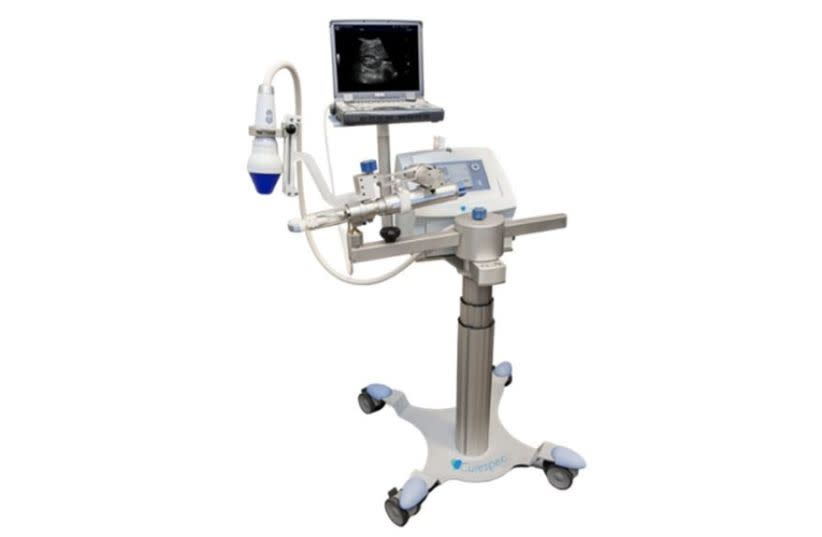
Curespect's Nephrospec (photo credit: Courtesy of Curespec)
Around 37 million Americans and 800 million people worldwide suffer
from chronic kidney disease (CKD), according to the American Kidney Fund
and research published by the University of Tennessee.
Despite
more than a million people dying from CKD a year, few advancements in
treatment have developed in more than a decade. Pharmacological therapy
to delay CKD remains elusive. And the only actual treatment solution is
dialysis, which dramatically reduces the quality of life for CKD
patients.
Until now.
Curespec was founded in 2020, and its first market-ready product,
Nephrospec, shows promise in treating CKD by promoting new blood vessel
formation and restoring damaged tissue function using its patented
shockwave technology.
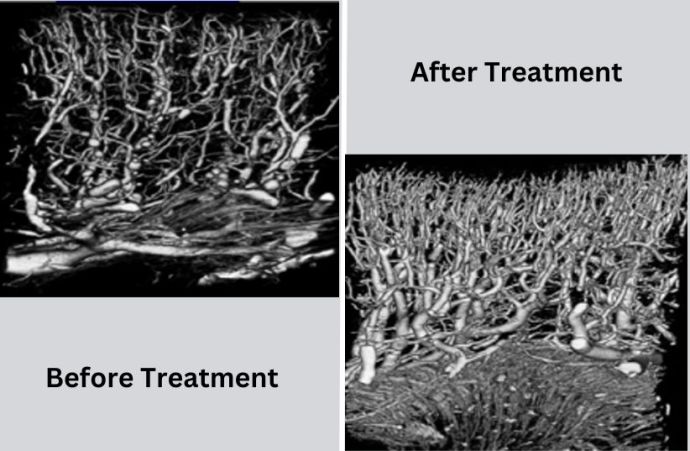
Before and after treatment with Curespec's Nephrospec (Credit: Courtesy of Curespec)
eHAT
electro-Hydraulic Acoustic Therapy (eHAT) is an acoustic wave treatment
with much less intensity than traditional shockwave treatment, which
could result in kidney damage.
In
several animal studies, eHAT has improved healing in tissues, such as
bone, muscle, heart muscles and kidney, mainly via stimulating
somatosensory receptors and upregulating vascular endothelial growth
factors, easing inflammation and fibrosis, ultimately healing kidney
tissue, preserving kidney function and delaying CKD progression. It can
also attract stem cells into injured kidneys for tissue repair.
eHAT
has been used for other indications for almost two decades, including
some by Curespec's sister company Medispec. For example, several studies
have shown eHAT effective for treating musculoskeletal disorders,
myocardial ischemia and erectile dysfunction.
Curespec was founded by Avner Spector, who has worked in the medical
device field since the 1980s. His parents founded the technology company
Spectronix. Spector has a degree in mechanical engineering. However, he
became passionate about being an inventor of medical equipment and
decided to try it. So, in 1992, he founded Medispec.
Avner Spector (Credit: Courtesy of Curespect)
Earlier
last decade, his friend's wife suffered from kidney failure with few
options. Her illness drove Spector to test his shockwave treatment for
CKD. A significant study was conducted through the Mayo Clinic and
financed by the National Institutes of Health, showing that what the
company thought could theoretically work from animal studies "is more
than a reality. The results were above our expectations," Spector said.
Six
patients were treated with Curespec's Nephrospec, providing the
device's first safety data and the beginnings of its efficacy. In 2021, a
patent for the method of this technology was granted by the US patent
office.
A
multinational Phase I clinical trial is underway in the Philippines and
two hospitals in Israel - Shaare Zedek and Sheba Medical Center. The
company is expanding the trial into seven more centers - two in the
United States and five in Europe.
Because
most studies using eHAT have been done in animals, these new clinical
trials in human subjects will prove essential for understanding the use
and effectiveness of eHAT in the real world.
Spector
said the hope is that it could prove effective for using Nephrospec not
only for CKD but also for diabetic kidney disease, acute kidney injury,
and even kidney transplant. Although there is no research describing
eHAT in transplant, the premise is intriguing, he said. Studies are
expected to evaluate whether eHAT could improve allograft outcomes in
addition to standard immunosuppression in kidney transplants.
"A
kidney transplant costs nearly $500,000 to perform," Spector said. "If
we could save that money or at least improve the possibility of the
transplant to succeed, the effects would be dramatic."
He
said, "My dream is to see this technology delay dialysis by at least
two to four years for patients." The eHAT is also proving effective at
reducing blood pressure and the probability of a stroke, which is often
linked to kidney failure.
"When you look at the global market of high blood pressure and CKD,
you are talking about a few trillion-dollar market," Spector added. "The
dream is first to make this therapy available for the benefit of
patients. Secondly, it is to reduce the cost of healthcare."
This article was written in cooperation with Curespec. Learn more.
THIS PAGE WAS POSTED BY SPUTNIK ONE OF THE SPUTNIKS ORBIT BLOG
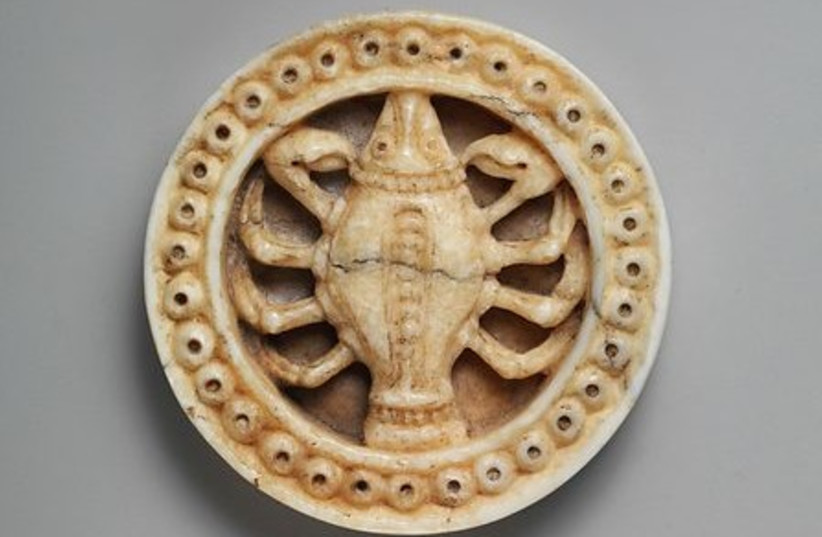
Illustrative image of a tableman gaming piece. (photo credit: LOOK AND LEARN IMAGES)
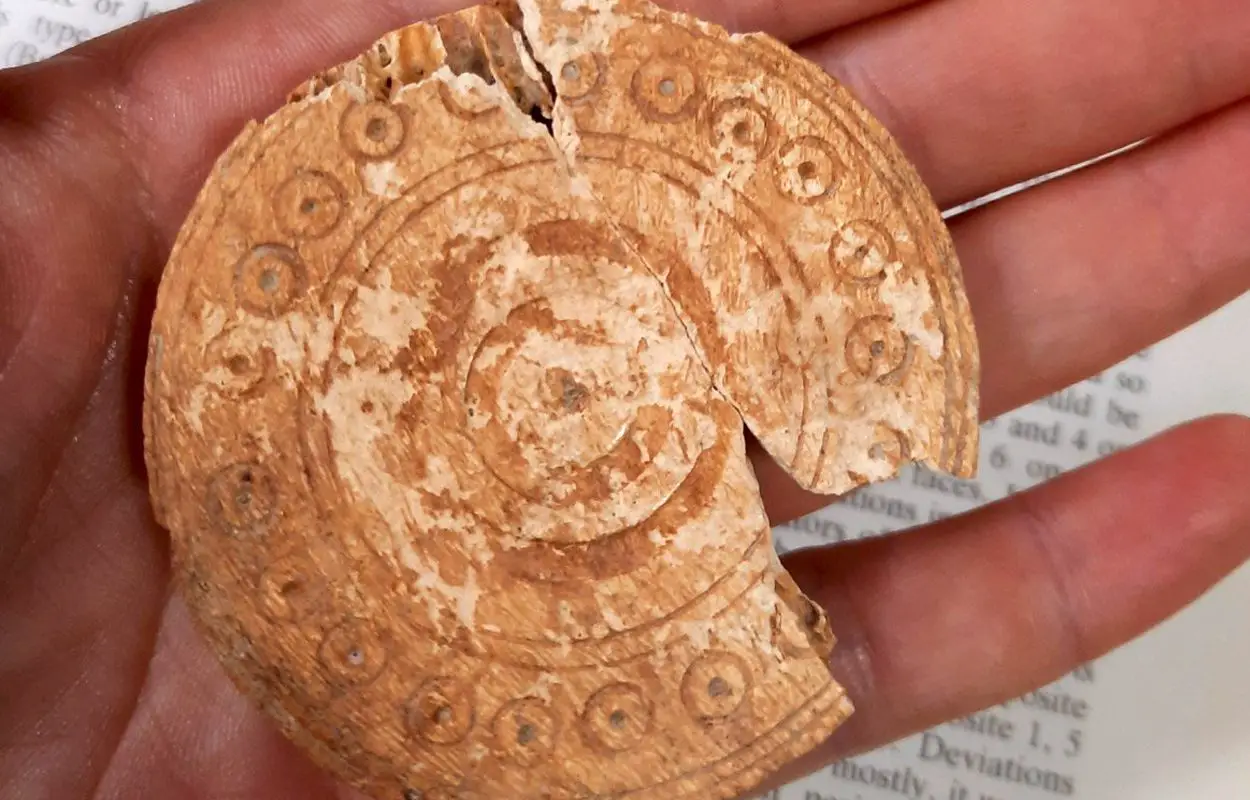
Archaeologists unearthed a "tableman" gaming piece during excavations of a medieval building in Bedfordshire, England.
During
excavations in preparation for a housing development, a team of
archaeologists discovered a medieval timber-framed building and a series
of medieval enclosure ditches, in addition to the tableman, according
to Cotswold Archaeology. The piece, which was made from a cattle
mandible, has a diameter of nearly 6cm and is adorned on the face with
concentric circles and a ring-and-dot design.
What was the tableman used for?
Tablemen were used to play numerous board games
in which two players would typically roll dice and move their pieces
across rows of markings. The word ‘tables’ is derived from the Latin
tabula which primarily meant “board” or “plank” and began in Britain
during the Roman period.
The team speculates that their discovery was used to play tabula, which is similar to modern-day backgammon, during the medieval period (11th-13th centuries).
Other recent UK excavations
Several other exciting archaeological discoveries have been made in the UK this month including that of the remains of an ancient Roman-era street and residence found laying beneath the historic Exeter Cathedral.
Backgammon board (credit: Wikimedia Commons)
Hidden
beneath the Cloister Garden, which once held the medieval cloisters,
are the remains of a different time when the Roman Empire ruled most of
Britain.
The
cloisters themselves were demolished in 1656. Currently, the cathedral
is attempting to build a new Cloister Gallery on the site, which is why
they are undertaking this archaeological excavation in the first place.
THIS PAGE WAS POSTED BY SPUTNIK ONE OF THE SPUTNIKS ORBIT BLOG