Wednesday, 31 May 2023

Humans have lost half of primate ancestors' gut bacteria, finds new study

MAY 30, 2023, by Krishna Ramanujan, Cornell U.

Co-diversification of gut microbiota with primate species. 
Credit: Nature Microbiology (2023). DOI: 10.1038/s41564-023-01388-w

A new study finds that hundreds of bacterial groups have evolved in the guts of primate species over millions of years, but humans have lost close to half of these symbiotic bacteria.

In the study, researchers compared populations of gut bacteria found in chimpanzees and bonobos, our closest relatives, with those of humans—which in total amount to some 10,000 different lineages of bacteria. The scientists analyzed the evolutionary relationships of these bacteria in primates and identified groups of bacteria that were present in distant ancestors of humans and primates. Strikingly, the results showed that these ancestral symbionts are being lost rapidly from the human lineage.

Though the cause of these shifts in human gut microbiomes is not known, the study's authors suspect changing diets probably caused the divergence.

"The working idea is that the losses we see spanning all human populations, regardless of lifestyle, were likely driven by dietary shifts that happened early in human evolution since we've diverged from chimpanzees and bonobos," said Andrew Moeller, assistant professor of ecology and evolutionary biology and faculty curator of mammalogy at the Cornell University Museum of Vertebrates, in the College of Agriculture and Life Sciences, and the paper's senior author.

In particular, human diets shifted away from complex plant polysaccharides found in leaves and fruits towards more animal fat and protein, Moeller said.

Jon Sanders, a former postdoctoral researcher in Moeller's lab, is first author of the study, "Widespread Extinctions of Co-diversified Primate Gut Bacterial Symbionts From Humans," published May 11 in Nature Microbiology. Daniel Sprockett, a current postdoctoral researcher in Moeller's lab, is also a co-author.

In the study, the researchers analyzed metagenomes, which are assembled by piecing together short base pair sequences from a whole community of genomes; the metagenomes revealed which microorganisms were present in a sample and their relative abundances.

Analyses of 9,640 human and non-human primate metagenomes, including newly generated ones from chimpanzees and bonobos, revealed significant evidence that gut bacteria groups shared an evolutionary history with their hosts, according to the paper.

The results showed that 44% of clades—a group that has evolved from a common ancestor—that have a shared evolutionary history with African apes were absent from the human metagenomic data and 54% were absent from industrialized human populations. At the same time, only 3% of bacterial clades in African apes that did not share an evolutionary history with these hosts were absent in humans.

"This is the first microbiome-wide study showing that there are a great number of ancestral co-diversifying [shared evolution] bacteria that have been co-living within primates and humans for millions of years," Moeller said.

Still, Moeller highlighted the importance of improved sampling in human populations, especially those outside of industrial countries, in order to fully represent human gut microbiome diversity.

Ancestral bacteria may be passed from one generation to another from mothers to babies, and by social transmission with other members of the same species.

The discrepancy in extinct bacteria between the general human population and those from industrialized countries may point to differences related to modern diets and medicines, such as antibiotics that are known to alter microbiomes. Some researchers have speculated that the disruption of ancestral flora could be playing a role in modern diseases, such as autoimmune disorders and metabolic syndrome.

A second related paper, "Home-site Advantage for Host Species-specific Gut Microbiota," also led by Moeller and Sprockett, which published May 12 in Science Advances, showed that gut bacteria locally adapt to the hosts they live in, providing a possible mechanism for the long-term stability of these symbioses.


Recommend this post and follow
The Life of Earth

Study finds Neanderthals manufactured synthetic material with underground distillation

MAY 30, 2023 **REPORT** , by Justin Jackson , Phys.org


Königsaue birch tar and experimental production techniques. a KBP1, Königsaue
 1 (left); KBP2, Königsaue 
2 (right). b Drawing of the condensation method;
 c cobble-groove condensation method; 
d the bark roll buried technique; 
e the pit roll technique; 
f raised structure. 1, birch bark; 2, birch tar. 
Explanations in the main text but also see supplementary information. 
Credit: Archaeological and Anthropological Sciences (2023). DOI: 10.1007/s12520-023-01789-2

Researchers at the Eberhard Karls University of Tübingen and colleagues in Germany have taken a closer look at the birch tar used to affix Neanderthal tools and found a much more complex technique for creating the adhesive than previously considered.

In their paper, "Production method of the Königsaue birch tar documents cumulative culture in Neanderthals," published in Archaeological and Anthropological Sciences, the team compared different methods of creating birch tar to the chemical residues found on ancient Neanderthal tools.

One of the attributes of human intelligence is the ability to synthesize substances and materials not found in nature. Tools use was once part of this consideration, but since several animals have been discovered altering and manipulating materials to be used as tools, it has become a less unique sign of intelligent behavior.

Synthetic material manufacturing remains a significant aspect of our cognitive advantage over other animals, as it requires sentient thinking, planning and comprehension of our actions to convert raw materials through a learned process.

The Tübingen study illustrates that modern humans are not alone in this ability and were not the first to reach this mental milestone. The birch tar used by Neanderthals predates any known adaptation by modern humans by 100,000 years. The sticky material was used as an adhesive backing to connect stone to bone and wood in tools and weapons, with the added benefit of being water-resistant and resistant to organic decomposition.

How Neanderthals made birch tar has been speculated to be either a manufactured process or a found substance scrapped from rocks after a fire. Through a comparative chemical analysis of two birch tar pieces from Germany and a large reference birch tar collection made with Stone Age techniques, the researchers found that Neanderthals did not simply find birch tar after a fire, nor did they use the simplest manufacturing method.

Instead, researchers have discovered that the Neanderthals who made the German birch tar used the most efficient method with a stepwise oxygen-restricted distillation process of underground heating to extract the synthetic adhesive.

According to the authors, "This degree of complexity is unlikely to have been invented spontaneously." Suggesting that the technique would have started with simpler methods and been developed into the more complex process by experimentation.

To test the process that led to the German birch tar, the researchers engaged in experimental archaeology by recreating five different techniques for extraction, two above-ground and three below ground. With the birch tar extracted, the team applied infrared spectroscopy, gas chromatography-mass spectrometry and micro‑computed tomography to analyze and compare their tar-making techniques with the ancient birch tar artifacts.

Oxygen availability at the time of extraction left a clear marker on the experimental tars, creating a signature that clearly separated above-ground from below-ground methods. The ancient artifacts matched the below-ground manufacturing process. Both ancient tar artifacts and the below-ground experiments showed some soil mineral interaction and were free from soot-related carbons, unlike the above-ground techniques.

Underground transformative techniques are trickier to execute than above-ground techniques because some elements cannot be observed or corrected after the procedure begins requiring a more precise set-up procedure.

The evidence for cognitively complex Neanderthals has only increased in recent years, as archaeological evidence reveals many of the technological firsts thought to be modern human inventions were already in use among Neanderthals. At this point, it may benefit anyone who prefers thinking of human intelligence as an exceptional uniqueness to concede that Neanderthals were humans too.

According to the authors, "... Neanderthal birch tar making seems to be the first documented manifestation of this kind in human evolution."


Recommend this post and follow
The birth of modern Man

Low-flavanol diet drives age-related memory loss, large study finds

MAY 29, 2023, by Columbia U. Irving Medical Center

Credit: Pixabay/CC0 Public Domain

A large-scale study led by researchers at Columbia and Brigham and Women's Hospital/Harvard is the first to establish that a diet low in flavanols—nutrients found in certain fruits and vegetables—drives age-related memory loss.

The study found that flavanol intake among older adults tracks with scores on tests designed to detect memory loss due to normal aging and that replenishing these bioactive dietary components in mildly flavanol-deficient adults over age 60 improves performance on these tests.

"The improvement among study participants with low-flavanol diets was substantial and raises the possibility of using flavanol-rich diets or supplements to improve cognitive function in older adults," says Adam Brickman, Ph.D., professor of neuropsychology at Columbia University Vagelos College of Physicians and Surgeons and co-leader of the study.

The finding also supports the emerging idea that the aging brain requires specific nutrients for optimal health, just as the developing brain requires specific nutrients for proper development.

"The identification of nutrients critical for the proper development of an infant's nervous system was a crowning achievement of 20th century nutrition science," says the study's senior author, Scott Small, MD, the Boris and Rose Katz Professor of Neurology at Columbia University Vagelos College of Physicians and Surgeons.

"In this century, as we are living longer research is starting to reveal that different nutrients are needed to fortify our aging minds. Our study, which relies on biomarkers of flavanol consumption, can be used as a template by other researchers to identify additional, necessary nutrients."

Age-related memory loss linked to changes in hippocampus

The current study builds on over 15 years of research in Small's lab linking age-related memory loss to changes in the dentate gyrus, a specific area within the brain's hippocampus—a region that is vital for learning new memories—and showing that flavanols improved function in this brain region.

Additional research, in mice, found that flavanols—particularly a bioactive substance in flavanols called epicatechin—improved memory by enhancing the growth of neurons and blood vessels and in the hippocampus.

Next, Small's team tested flavanol supplements in people. One small study confirmed that the dentate gyrus is linked to cognitive aging. A second, larger trial showed that flavanols improved memory by acting selectively on this brain region and had the most impact on those starting out with a poor-quality diet.

In the new study, the Columbia team collaborated with researchers at Brigham and Women's Hospital studying the effects of flavanols and multivitamins in COSMOS (COcoa Supplements and Multivitamin Outcomes Study). The current study, COSMOS-Web, was designed to test the impact of flavanols in a much larger group and explore whether flavanol deficiency drives cognitive aging in this area of the brain.

The study, titled "Dietary flavanols restore hippocampal-dependent memory in older adults with lower diet quality and habitual flavanol consumption," was published in Proceedings of the National Academy of Sciences.

Study methods

More than 3,500 healthy older adults were randomly assigned to receive a daily flavanol supplement (in pill form) or placebo pill for three years. The active supplement contained 500 mg of flavanols, including 80 mg epicatechins, an amount that adults are advised to get from food.

At the beginning of the study, all participants completed a survey that assessed the quality of their diet, including foods known to be high in flavanols. Participants then performed a series of web-based activities in their own homes, designed and validated by Brickman, to assess the types of short-term memory governed by the hippocampus. The tests were repeated after years one, two, and three. Most of the participants identified themselves as non-Hispanic and white.

More than a third of the participants also supplied urine samples that allowed researchers to measure a biomarker for dietary flavanol levels, developed by co-study authors at Reading University in the U.K., before and during the study. The biomarker gave the researchers a more precise way to determine if flavanol levels corresponded to performance on the cognitive tests and ensure that participants were sticking to their assigned regimen (compliance was high throughout the study). Flavanol levels varied moderately, though no participants were severely flavanol-deficient.

People with mild flavanol deficiency benefited from flavanol supplement

Memory scores improved only slightly for the entire group taking the daily flavanol supplement, most of whom were already eating a healthy diet with plenty of flavanols.

But at the end of the first year of taking the flavanol supplement, participants who reported consuming a poorer diet and had lower baseline levels of flavanols saw their memory scores increase by an average of 10.5% compared to placebo and 16% compared to their memory at baseline. Annual cognitive testing showed the improvement observed at one year was sustained for at least two more years.

The results strongly suggest that flavanol deficiency is a driver of age-related memory loss, the researchers say, because flavanol consumption correlated with memory scores and flavanol supplements improved memory in flavanol-deficient adults.

The findings of the new study are consistent with those of a recent study, which found that flavanol supplements did not improve memory in a group of people with a range of baseline flavanol levels. The previous study did not look at the effects of flavanol supplements on people with low and high flavanol levels separately.

"What both studies show is that flavanols have no effect on people who don't have a flavanol deficiency," Small says.

It's also possible that the memory tests used in the previous study did not assess memory processes in the area of the hippocampus affected by flavanols. In the new study, flavanols only improved memory processes governed by the hippocampus and did not improve memory mediated by other areas of the brain.

Next steps

"We cannot yet definitively conclude that low dietary intake of flavanols alone causes poor memory performance, because we did not conduct the opposite experiment: depleting flavanol in people who are not deficient," Small says, adding that such an experiment might be considered unethical.

The next step needed to confirm flavanols' effect on the brain, Small says, is a clinical trial to restore flavanol levels in adults with severe flavanol deficiency.

"Age-related memory decline is thought to occur sooner or later in nearly everyone, though there is a great amount of variability," says Small. "If some of this variance is partly due to differences in dietary consumption of flavanols, then we would see an even more dramatic improvement in memory in people who replenish dietary flavanols when they're in their 40s and 50s."


Recommend this post and follow
The birth of modern Man

Tuesday, 30 May 2023

Improve Your Health: Experts Recommend a Six-Teaspoon Limit of “Free” Sugars

By BMJ MAY 29, 2023


An umbrella review of 73 meta-analyses examining sugar consumption and health outcomes found significant harmful associations between dietary sugar intake and a variety of diseases, including obesity, heart disease, and certain cancers, although the evidence quality was often low. As a result, the researchers recommend reducing free sugar consumption to less than 25 g/day (around six teaspoons) and limiting sugar-sweetened beverages to less than one serving a week, urging global public health education and policy reform, especially for children and adolescents.

An evidence review reveals detrimental associations between the consumption of excessive amounts of sugar and 45 various outcomes, including but not limited to diabetes, depression, obesity, and heart disease.

Based on a comprehensive evidence review recently published in The BMJ, professionals suggest cutting down on added (also known as “free”) sugars to approximately six teaspoons daily and restricting sugar-infused beverages to less than a single serving per week.

Their review uncovered substantial detrimental links between sugar intake and 45 health outcomes, such as asthma, diabetes, obesity, heart disease, depression, certain types of cancer, and even death.

It’s widely known that excessive sugar intake can have negative effects on health and this has prompted the World Health Organization (WHO) and others to suggest reducing consumption of free or added sugars to less than 10% of total daily energy intake.

But before developing detailed policies for sugar restriction, the quality of existing evidence needs to be comprehensively evaluated.

Researchers based in China and the US, therefore, carried out an umbrella review to assess the quality of evidence, potential biases, and validity of all available studies on dietary sugar consumption and health outcomes.

Umbrella reviews synthesize previous meta-analyses and provide a high-level summary of research on a particular topic.

The review included 73 meta-analyses (67 observational studies and six randomized controlled trials) from 8,601 articles covering 83 health outcomes in adults and children.

The researchers assessed the methodological quality of the included articles and graded the evidence for each outcome as high, moderate, low, or very low quality to draw conclusions.

Significant harmful associations were found between dietary sugar consumption and 18 endocrine or metabolic outcomes including diabetes, gout, and obesity; 10 cardiovascular outcomes including high blood pressure, heart attack, and stroke; seven cancer outcomes including breast, prostate, and pancreatic cancer; and 10 other outcomes including asthma, tooth decay, depression, and death.

Moderate quality evidence suggested that sugar-sweetened beverage consumption was significantly associated with increased body weight for highest versus lowest consumption, while any versus no added sugar consumption was associated with increased liver and muscle fat accumulation.

Low-quality evidence indicated that each one-serving per week increment of sugar-sweetened beverage consumption was associated with a 4% higher risk of gout, and each 250 mL/day increment of sugar-sweetened beverage consumption was associated with a 17% and 4% higher risk of coronary heart disease and death, respectively.

Low-quality evidence also suggested that every 25 g/day increments of fructose intake were associated with a 22% increased risk of pancreatic cancer.

In general, no reliable evidence showed beneficial associations between dietary sugar consumption and any health outcomes, apart from glioma brain tumors, total cholesterol, type 2 diabetes, and cardiovascular disease mortality. However, the researchers say these favorable associations are not supported by strong evidence, and these results should be interpreted with caution.

The researchers acknowledge that existing evidence is mostly observational and of low quality, and stress that evidence for an association between dietary sugar consumption and cancer remains limited but warrants further research.

Nevertheless, they say these findings, combined with WHO, World Cancer Research Fund, and American Institute for Cancer Research guidance, suggest reducing the consumption of free sugars or added sugars to below 25 g/day (approximately six teaspoons a day) and limiting the consumption of sugar-sweetened beverages to less than one serving a week (approximately 200-355 mL/week).

To change sugar consumption patterns, especially for children and adolescents, a combination of widespread public health education and policies worldwide is also urgently needed, they add.


Recommend this post and follow
The birth of Modern Man

Bacteria are vital for the diversity and survival of insects, shows new study

MAY 29, 2023, by Lund U.

The evolutionary origins of obligate symbionts and their association with different feeding niches. 
a, The phylogenetic distribution of obligate symbionts across insect families investigated for symbiosis and their feeding niches. Turquiose tips and branches represent obligate symbiosis and different colored dots represent different feeding niches. Ancestral feeding niches were estimated using SCM, and obligate symbiosis states were estimated using a BPMM (Supplementary Table 5; for tree with tip labels, see Extended Data Fig. 4). 
b, The number of times obligate symbiosis evolved in different ancestral feeding niches of insects estimated using a BPMM.
 c, Proportion of species within families with obligate symbionts (mean ± standard error of the mean (s.e.m.)) in relation to the feeding niches of insects. The average number of species within families is given along the x axis.
 Credit: Nature Ecology & Evolution (2023). DOI: 10.1038/s41559-023-02058-0

Insects are crucial for biodiversity and among the most successful species on the planet. However, until now, it has been unclear how they could exploit such a diversity of food sources. According to a recent study published in the journal Nature Ecology and Evolution, bacteria have played a crucial role.

"Insect diets range from human blood, in the case of mosquitoes, to the wood used to build our houses, in the case of termites. The common denominator is bacteria. Our findings show that bacteria play a crucial role in providing insects with the nutrients they need to survive and thrive," says Charlie Cornwallis, biology researcher at Lund University.

The study, which included Weevils, shows that bacteria consistently provide insects with vitamin B, a vital nutrient they cannot make themselves. Insects have become so dependent on bacteria that they have developed new organelles to house them—so called bacteria factories.

"The nutrients provided by bacteria have enabled insects to survive on highly unbalanced diets and exploit new types of food resources. Some insects, such as aphids, solely feed on phloem, essentially sugary water. Imagine being able to lead a healthy life only on sweets!" says Charlie Cornwallis.

However, the effects of bacteria on insect diversity and variation are not straightforward. In certain insect families, specialization on specific diets involving blood has halted species diversification. But in most cases, such as plant-feeding insects, dietary specialization is linked to a significant increase in species.

"Insects are all around us and influence our every walk of life. They spread diseases and even threaten food production as crop pests. Knowing how and why insects survive and diversify is important for understanding the evolution of the natural world and its influence on our own well-being," says Charlie Cornwallis.


Recommend this post and follow
The Life of Earth

Delightful Experiment Shows Parrots Love to Video Chat With Their Friends

30 May 2023, By DAVID NIELD

(Matthew Modoono/Northeastern University)

Parrots can get a lot out of video calls with their feathered friends just like we can from Zoom meetings with our favorite humans.

Findings from a recent study by researchers from Northeastern University and MIT Media Lab in the US and the University of Glasgow in the UK could point to ways to better look after the tens of millions of parrots around the world kept domestically as pets.

The research involved 15 parrots voluntarily initiating calls to a selection of other parrots on smart phones and tablets. The birds typically used as much calling time as they were allowed, and showed increased movement, preening, singing, and play while the calls were happening.

Friendships were formed too, with the birds showing strong preferences for which parrot to call when given a choice. The most popular parrots were also the ones that initiated the most calls, hinting at some level of social reciprocity.

https://youtu.be/YLNIG9kqxXg

"Video-calling technology helped a lot of people through the early days of the COVID pandemic where self-isolation was vital to slowing the spread of the virus," says computer scientist Ilyena Hirskyj-Douglas from the University of Glasgow in the UK.

"There are 20 million parrots living in people's homes in the US, and we wanted to explore whether those birds might benefit from video-calling too. If we gave them the opportunity to call other parrots, would they choose to do so, and would the experience benefit the parrots and their caregivers?"

Parrots are some of the smartest animals around, making them perfect for this study. As well as having vision that's good enough to interpret movements on a screen in front of them, they happen to be very vocal.


One of the parrots on a call. (Matthew Modoono/ Northeastern University)


In an initial two-week training period, the parrots were taught to ring a bell to prompt their caregiver to bring them a tablet for making a video call. The bell gave the birds a way to initiate a call voluntarily, which could last as long as five minutes or end sooner at any sign of stress, disengagement, or simply by leaving the space.

The parrot owners reported increased bonding with their pets too, and some parrots even formed attachments to the humans on the other end of the video call. The birds seemed to enjoy the extra attention they were getting from people as well as parrots.

Over the next two months, 147 calls were logged in a series of calls described by some of the owners as "transformative".

A parrot in the experiment. (Matthew Modoono/Northeastern University)

"We saw some really encouraging results from the study," says computer scientist Jennifer Cunha, from Northeastern University in Massachusetts. "The parrots seemed to grasp that they were truly engaging with other birds on screen and their behavior often mirrored what we would expect from real-life interactions between these types of birds."

"We saw birds learn to forage for the first time, and one caregiver reported that their bird flew for the first time after making a call. All the participants in the study said they valued the experience, and would want to continue using the system with their parrots in the future."

Parrots live in large flocks in the wild, but are obviously much more isolated when kept domestically – which isn't helped by various transmissible diseases that makes it unsafe for parrot owners to meet up locally with their birds.

Isolation and boredom can lead to psychological problems for parrots, which manifest in a variety of ways: they might chew the bars of their cages for example, or pluck their own feathers, or rock excessively on their perches.

The researchers say that they noticed the birds engaging in the same call-and-response activities that they would in the wild, suggesting that these video chats can help give them something they're missing.

While the researchers advise against anyone trying this at home for the time being, without the training and necessary monitoring, there's a lot of promise here based on some of the great stories that came out of the study.

One such story involves two elderly and rather sickly macaws, who formed a deep bond during their video calls. Prior to the study, the birds barely interacted with others of their kind. They would dance and sing together, and even call "Hi! Come here! Hello!" when their partner would move out of the video frame.

"It really speaks to how cognitively complex these birds are and how much ability they have to express themselves," says Hirskyj-Douglas. "It was really beautiful, those two birds, for me."

The research was presented at the 2023 ACM CHI Conference on Human Factors in Computing Systems and can be found online.


Recommend this post and follow
The Life of Earth

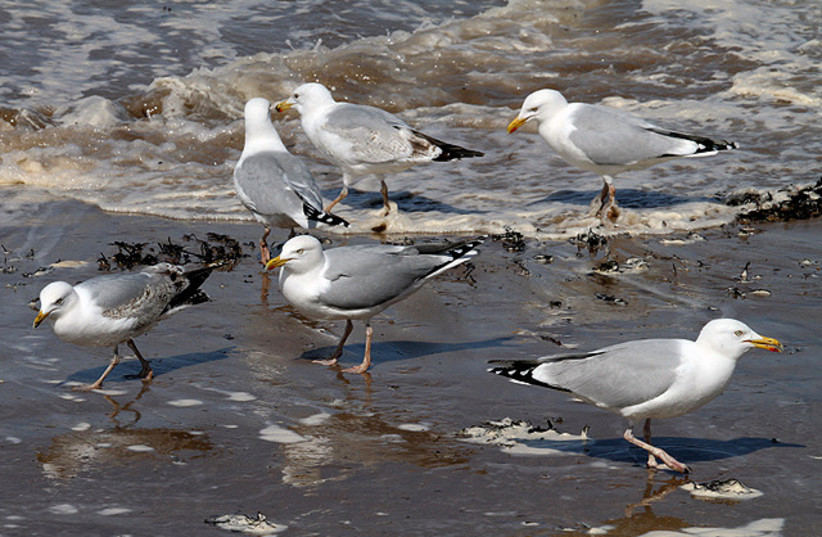
Science News: Gulls choose what to eat by imitating humans - study

Gulls choose what to eat by imitating humans - study


The researchers chose to study the behavior of herring gulls which are one of few species that thrive in anthropogenic landscapes, meaning they are very familiar with humans.


Gulls seem to have high cognition levels

Gulls look to humans to decide what to eat

Monday, 29 May 2023

Yellowstone baby bison put to death after visitor picks it up, leading herd to reject it

MAY 25, 2023

A herd of bison grazes in the Lamar Valley of Yellowstone National Park on Aug. 3, 2016. 
Yellowstone National Park officials say they had to kill a newborn bison because its herd wouldn’t take the animal back after a man picked it up. 
Park officials say in a statement the calf became separated from its mother when the herd crossed the Lamar River in northeastern Yellowstone on Saturday, May 20, 2023. 
Credit: AP Photo/Matthew Brown, File

A man who picked up a bison calf in Yellowstone National Park caused it to be shunned by its herd, prompting park officials to kill the animal rather than allow it to be a hazard to visitors.

Park officials quickly defended the decision to kill the newborn bison.

"We made the choice we did not because we are lazy, uncaring or inexpert in our understanding of bison biology. We made the choice we did because national parks preserve natural processes," the park said in a statement posted Tuesday on Twitter.

Park officials' options for dealing with the animal were limited, according to the statement, which said bison must be quarantined before being sent to conservation herds outside the park. A bison calf abandoned and unable to care for itself is not a good candidate for quarantine, the statement said.

The calf became separated from its mother when the herd crossed the Lamar River in northeastern Yellowstone on Saturday. The unidentified man pushed the struggling calf up from the river and onto a roadway, park officials said in a news release.

Human interference with young wildlife can cause animals to shun their offspring. Park rangers tried repeatedly to reunite the calf with the herd but were unsuccessful.

At one point, visitors saw the calf walking up to and following cars and people. This created a hazard, so park staff killed the animal, according to the news release.

It's the latest example of Yellowstone visitors getting in trouble or hurt after approaching bison. Park officials euthanized a newborn bison after a similar incident in 2016, when a Canadian man and his son put the calf in their SUV, thinking they could rescue it.

The man pleaded guilty. He was fined $235 and ordered to pay $500 to the Yellowstone Park Foundation Wildlife Protection Fund.

Bison have gored several people in Yellowstone in recent years, often after they got too close to the animals.

Many of Yellowstone's larger animals—including bison, which can run up to 35 mph (55 kilometers per hour) and weigh up to 2,000 pounds (900 kilograms)—are deceptively dangerous, even when they are just grazing or resting.

Park rules require visitors to keep at least 25 yards (23 meters) away from wildlife including bison, elk and deer, and at least 100 yards (91 meters) away from bears and wolves.

Park officials are investigating the bison calf incident. The suspect was a white male in his 40s or 50s who was wearing a blue shirt and black pants, the statement said.

The calf's body was left on the landscape, similar to the 25% or so of Yellowstone's newborn bison that don't survive, park officials said in the Twitter statement.

"Those deaths will benefit other animals by feeding  everything from bears and wolves to birds and insects. Allowing this cycle of life to play out aligns most closely with the stewardship responsibility entrusted to us by the American people," the statement said.


Recommend this post and follow
The Life of Earth

Where have all the Luddites gone? Exploring what makes us human—and whether modern technology threatens to destroy it

MAY 22, 2023, by Charles Barbour, The Conversation

Credit: Shutterstock

The great—if sometimes overlooked—20th-century philosopher and cultural critic Günther Anders once proposed that our modern age is characterized by a dangerous and pervasive "Apocalypse-Blindheit": a blindness to the apocalypse.

Writing in the midst of the 20th-century nuclear arms race, he suggested an unquestioning faith in science and progress prevents us from seeing the technological catastrophe spreading out all around us.

The reality of human-created climate change has, in recent years, perhaps begun to cure this condition. And there are at least some indications a significant number of people are becoming aware of the mess we're in.

But as Richard King notes in his sweeping and ambitious Here Be Monsters, our philosophical or intellectual responses to technology have not really kept pace with events.

Instead, what King calls "the techno-critical tradition," or a tradition of thinkers who view technological modernity as fundamentally damaging and foreboding, has more or less disappeared.

Thus, once-towering philosophers of technology—figures like Lewis Mumford, who was already warning in the 1950s that unrestricted technological expansion threatened the durability of both the human and the natural worlds, and Neil Postman, who in the 1980s described modern society as a "technopoly" in which human behavior is thoroughly governed and regulated by machines—hardly receive any attention at all.

And the more "techno-critical" elements of those who are studied widely (notably the ubiquitous Hannah Arendt) are quickly glossed over or pushed to the margins.

Why, then, have full-throated critiques of technology become so scarce at the exact moment when they might seem most pertinent? Where have all the Luddites gone?

Recovering human nature

King argues one crucial reason for the decline of the techno-critical tradition is its tendency to rely on the concept of human nature.

We can only maintain our technologies corrupt us if we have some relatively fixed sense of who we would be without them.

But, particularly in the rarefied atmosphere of universities, the concept of human nature has been decidedly unfashionable (indeed all but forbidden) for nearly half a century. It has become commonplace to suggest every definition of the human, no matter how loose or how broad, exists primarily to exclude its opposite. We define the "human," the argument goes, to mark off forms of life that can be labeled inhuman, and thus justify their elimination.

As King sees it, the widespread abandonment of the concept of human nature might be well-intentioned. But it has inadvertently left us vulnerable to an unthinking veneration of technology—one particularly amendable to the interests of capitalism.

For to strip the human of all natural limits is to present it as nothing more than what King calls a "blank slate"—a programmable machine capable of being engineered for optimal production and consumption, void of any essential needs or desires.

"The danger," King writes, "is not that we create a monster that runs amok, or a plague of zombies, or a rogue AI—or a planet of the apes, for that matter—but that we begin to see ourselves and others as something less than fully human, as machines to be rewired or recalibrated in line with the dominant ideological worldview. "

In that case, we would already have arrived at a perilous situation—a situation where our perception of ourselves as bounded by and connected through nature had given way to the "post-humanist" view that humans are fleshy automata, subject to endless modification.

For King, this danger is at a historical tipping point. And we must face it immediately. Doing so, however, will require more than an examination of technology itself.

It will require what King dubs a "radical humanism," and a fundamental reassessment of what we are—including our relations with ourselves, with one another, and with our common world.

Homo faber, or the tool-making animal

Here Be Monsters proposes to develop nothing less than a new definition of human nature.

King, of course, is fully aware of the immensity of the task, and he is careful to qualify his approach in important ways. He acknowledges, for example, the basic difficulty of distinguishing between nature and culture. Any consistent understanding of the former would eventually have to envelop the latter.

It's part of human nature to produce culture, King allows. The human is "Homo faber", he proposes, "man the maker." And "no less than the instinct for self-preservation or sexual desire, technological creativity is fundamental to our being."

But from King's perspective, there is a qualitative difference between building tools that harness the power of nature (for example, a windmill) and using technology to alter its very fabric (for example, splitting the atom).

The line might be hard to pinpoint. But as King sees it, in the age of nuclear energy, genetic engineering, nanotechnology, machine learning, and much more, it was crossed long ago.

King similarly acknowledges his tendency to frame the problem in ways that primarily concern the wealthy inhabitants of the Global North—and that the same issues will look entirely different from the perspective of the Global South. It must be infuriating to hear those who have already reaped most of the benefits of technological development now insist that limits be placed on those who have paid most of the costs.

"Nevertheless," King insists, "the Global North and Global South […] are at very different stages of development." And precisely because it has advanced further into the belly of the beast, "the North has problems the South doesn't have, or has to a lesser degree." The North, in other words, should not be seen as a model, but as a warning.

Social, embodied, creative

Following these introductory remarks, King divides his book into three parts. Each addresses a crucial aspect of the human experience, and the way modern technology threatens to destroy it.

The first part describes humans as essentially social creatures, who require both the physical presence of other humans and a robust political community in order to become themselves.

It argues that social media, algorithmic manipulation, and what King calls "technologies of absence" corrupt this aspect of our existence.

The second part takes up the related question of our embodiment. King proposes neither the mind nor the body can be reduced to mechanistic calculations, and warns against the pernicious effects of attempting to do so.

For King, when we view our mind as nothing more than a large calculator and our body as an object to be constructed and reconstructed at will, we risk losing sight of the very limits that make it possible for us to flourish.

Finally, the third part explores the human capacity for free creation and "the pleasures of practical activity." Here King seeks to revitalize the familiar Marxist theme of alienation, or the sense in which technological modes of production distance us from the products of our labor. And he begins to sketch out the parameters of what he calls "a new relationship with technology."

As King sees it, we stand on the verge of a precipice. The technologies we have constructed to make our way in the world are very close to depriving us of any world whatsoever.

"In order to avoid this trap," King concludes, "we will need to develop a radical humanism that puts the social and creative needs of human beings front and center"—one that, once again, "is not afraid […] to invoke the concept of human nature."

Historicizing the human

Here Be Monsters deals extensively with specific technologies, offering a kind of pessimistic catalog of their worst potential. But some of its most intriguing arguments concern philosophical and ideological positions that were established long before the advent of either the atomic or the digital age.

King spends a considerable amount of time dismantling the platitudes of utilitarianism, liberalism, and capitalism.

And he shows how these phenomena, which have their roots in the 17th and 18th centuries, provided the intellectual and material foundations of what we now call "neoliberalism." This is a way of thinking that King takes to be fundamentally at odds with human well-being, and with the project of humanity as such.

The problem is, we cannot really historicize one concept of the human—namely the neoliberal concept, which treats humans as self-interested, profit-maximizing machines—without historicizing the concept of "humanity" as a whole.

That is to say, while the biological species "human being" has obviously existed for a very long time, the notion that all members of that species share a common world, that we all have some common interests, and even that we all possess common rights, is not that old at all.

In this sense, it might be best to think of our humanity, not as an object we might investigate and describe, like a part of the natural world, but more like a response to a crisis or an event.

As we arguably witnessed for fleeting moments during the COVID pandemic, humanity is called into existence—and we belong to it—when something larger than life grips us all, and we are compelled to act in concert.

The question is whether we will ever be able to do this in the sustained manner required to address the overwhelming existential catastrophes outlined by King.


Recommend this post and follow
The birth of modern Man

AUSTRALIA’S COLDEST-EVER MAY TEMPERATURES; AVALANCHE KILLS 11 IN PAKISTAN; U.S. SHIVERS; + RAINS CONTINUE TO POUND EUROPE AFTER ‘THE SCIENCE’ CALLED FOR ENDLESS DROUGHT…

MAY 29, 2023 CAP ALLON


AUSTRALIA’S COLDEST-EVER MAY TEMPERATURES

The Final Warning: NOAA's Latest Data on Rising Greenhouse Gas Emissions

Despite official BoM proclamations to the contrary, Australia is enduring an anomalously-cold autumn.

This isn’t a new pattern either (i.e. government agency warm-mongering vs a cold reality); rather, it is one that has played out for more than a decade now, with the disparity appearing to exponentially widen during the past two-or-so years in particular.

This weekend delivered Australia more record low temperatures for the month of May, most notably to East parts.

The fallen Queensland benchmarks include Camooweal’s 1.7C, breaking the previous May low in books dating back to 1939; Maryborough’s 1.9C, coldest May reading going back to 1957; Bankstown’s 0.7C; Tamworth’s -4.8C; -Lake Grace’s -0.7C; Williamson’s 3.5C; and Hughenden’s 1.4C.

As mentioned at above, this goes against Bureau of Meteorology predictions, which called for a hot autumn of 2023.

Reality, however–where I choose to reside–continues to deliver the exact opposite, like an ‘Inverse BoM’.

Much of Australia posted their coolest summers in decades, following what were also colder-than-average springs and winters. The likes of Sydney, Melbourne, Canberra and Brisbane were among the key metropolises to endure cooler-than-average summers with the latter also suffering its coldest-ever winter in 2022.

–And ALL of this despite 1) the BoM’s ignoring of the well-established UHI-effect, and 2) their overhaul of the country’s weather stations, replacing all mercury thermometers with new ‘0.7C warmer’ electronic probes:

The snow is holding on, too:


AVALANCHE KILLS 11 IN PAKISTAN

Heavy out-of-season snow has resulted in at least 11 deaths in the Astrore’s district of northern Pakistan.

Local media reports say that at least 11 nomads were killed on Saturday with several other still missing after a powerful snow-slip engulfed them near Shunter Pass of the Astore district of Gilgit Baltistan.


U.S. SHIVERS

Great swathes of the U.S., particularly the East have been enduring something of a return to winter of late.

Over the weekend, Savannah, Georgia was among the coldest sea level locales in all of the Lower 48.

On Saturday, the coastal Georgia city reached a daily maximum of just 61F — astonishing for May. Only in 1913 and 1934 were colder temperatures posted after today’s date May 27 (June 10/11 and May 28, respectively).

Also worth noting, that 61F was registered between midnight and 2 am — the ‘daily’ high reached just 57F.

It’s also been exceptionally frigid across the Northeast in recent weeks where unprecedented frosts have been wiping out the region’s Orchards and Vineyards.

It’s been so cold, in fact, that even the U.S. Senate has called on the USDA to issue a ‘crop disaster declaration’ in order to provide emergency relief to those Northeast farms devastated by the freeze, which amounts to thousands of acres.

“New York’s agricultural industry is essential to the economy and well-being of our state,” commented U.S. Sen. Kirsten Gillibrand on understanding that some NY vineyards have been completely wiped out by the cold, suffering a 100% loss.

Senate Majority Leader Chuck Schumer also chimed in, “From the Rochester-Finger Lakes to the Capital Region, Southern Tier, and the Hudson Valley, New York’s vineyards and orchards are the beating heart of our agricultural and tourism economy, but [the recent] frost has risked freezing the future for many of these family-owned businesses. With apple and grape buds hit by extraordinarily low temperatures in May, the crop losses that farmers across the state are now seeing will have detrimental effects throughout the year,” Schumer said in a news release.

“That is why I am calling on the U.S. Department of Agriculture to stand ready in two key ways: first, by ensuring that direct reimbursements go out quickly to eligible growers with tree and vine damage through the Tree Assistance Program; and second, by preparing all resources and to be ready, if requested, to approve a disaster declaration and assist farmers and growers in the process of reporting losses and damages. We can’t let New York’s beautiful orchards and renowned wine country be frozen over, and the USDA must do everything in their power to provide swift relief to our hardworking growers,” Schumer noted.

“We can’t let New York’s beautiful orchards and renowned wine country be frozen over…”

Must be more gLoBaL wArMiNg?

RAINS CONTINUE TO POUND EUROPE AFTER ‘THE SCIENCE’ CALLED FOR ENDLESS DROUGHT

Speaking of propagandized DoubleThink, Europe is a hotbed of contradictory nonsense right now.

“What a change in Spain,” reads local media outlets:


This rather flies in the face of what MSM articles were spewing fewer than two weeks ago.

‘Southern Europe is bracing for a summer of ferocious drought,’ read a Reuters article dated May 17. “The situation of drought is going to worsen this summer,” said Jorge Olcina, professor of geographic analysis at the University of Alicante.

There’s little chance at this point of rainfall resolving the underlying drought, continued Olcina: “At this time of the year, the only thing we can have are punctual and local storms, which are not going to solve the rainfall deficit.”

Suffice it to say, Southern Europe –or any part of Europe for that matter– is not in drought, and is not expected to enter drought anytime soon. The MSM are at it again, feeding the public another dose of agenda-driving, CO2-demonizing codswallop.

In reality, the likes of Portugal, Spain, southern France and Italy have been inundated with persistent rains since Olcina made those comments. And looking ahead, much more of the same is on the cards:


But the AGW Party can’t let a good crisis go to waste, even if leaping upon it does contradict their previous position.

“Flooding rains that killed at least 15 people when they slammed into the fertile and industrious heartland of northeastern Italy in mid-May were at least partly fueled by global warming,” reads a recent ‘crayon-by-numbers’ article on insideclimatenews.org, “and scientists say they fit the trend of intensifying extremes on both the wet and dry sides of the global water cycle.”

The nonsense continues: “The Mediterranean region is particularly strongly affected by increasing drought conditions … But this is not inconsistent with an increase in heavy precipitation as well … Even while cleaning out waist-deep mud after the Emilia-Romagna floods, it’s time to start thinking about finding more durable, more sustainable ways of using water in the long-term.”

“Heavy precipitation events will keep on becoming more intense with increasing fossil fuel use and CO2 emissions … For this reason, bringing emissions to zero is absolutely essential to stabilize the climate conditions.”

I don’t have the energy to fully dissect the garbage-filled musings of another locked-in alarmist — you read it for yourself here.

Suffice it to say however the flip-flopping of weather extremes ICN author Bob Berwyn blindly attributes to human prosperity–those swings between extremes–are far better explained by the historically low solar activity we’ve been receiving and its proven impact on the jet stream:

I’ll conclude by listing just a handful of the publicly disclosed financial backers of Inside Climate News (ICN):

Clif Family Foundation

Educational Foundation of America

Ford Foundation

Fund for Investigative Journalism

The Heinz Endowments

Hollywood Foreign Press Association

Leonardo DiCaprio Foundation

New Hampshire Charitable Foundation

New York Community Trust

Rhode Island Foundation

Robert Rauschenberg Foundation

Rockefeller Brothers Fund

Rockefeller Family Fund

Scripps Howard Foundation

Silicon Valley Community Foundation


Recommend this post and follow
The Life of Earth