Saturday, 30 September 2023

Gut inflammation found to be caused by substance secreted by microbe

Sept. 29, 2023, by National U. of Singapore

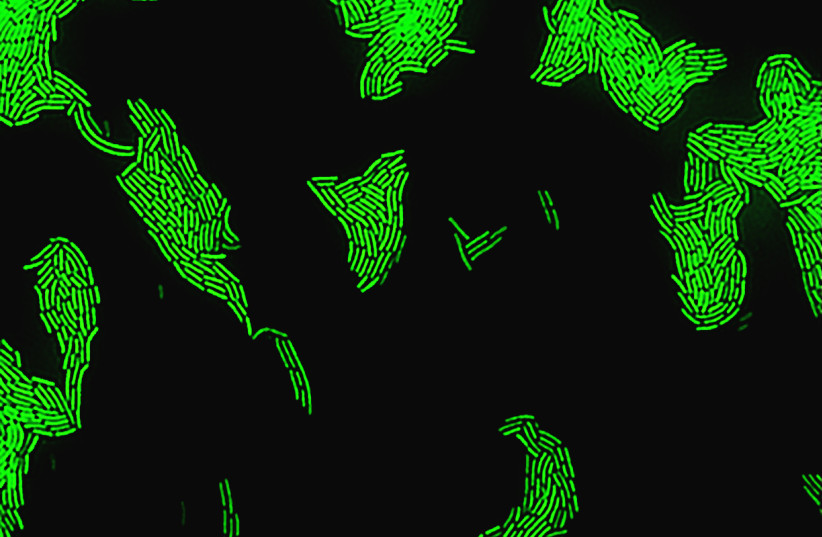
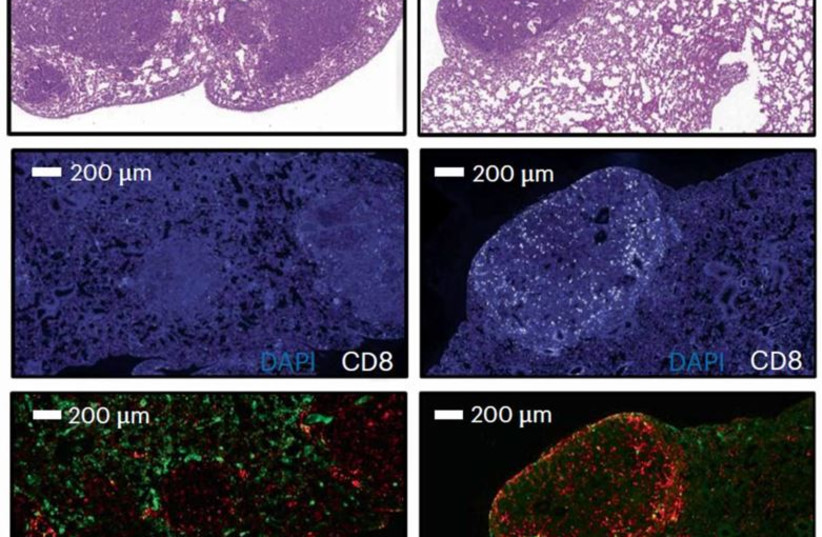
The unicellular eukaryote Blastocystis is a component of intestinal microbiome. Here, Blastocystis-derived indole-3-acetaldehyde (I3AA) is shown to enhance CD4+ T cell reactivity toward gut flora, thus contributing to the pro-inflammatory response in gut tissue. 
Credit: The EMBO Journal (2023). DOI: 10.15252/embj.2022112963

The human gut—or gastrointestinal system—where food is broken down into nutrients for the body, is an ecosystem that harbors thousands of bacteria species. While some microorganisms are harmful, many are beneficial and help keep the human body in good health. Besides bacteria, the gut microbiota also consists of other types of microorganisms, including protists, yeasts, and viruses.

Blastocystis, the world's most common protist–a form of unicellular microscopic organism–in the gut, is made up of many sub-species, known as subtypes. Depending on the subtype (ST) of Blastocystis that is present in a person, it can lead to a healthy gut in some individuals, and gut problems in others.

In Singapore, a rare subtype, Blastocystis ST7, is commonly found in patients with diarrhea. Blastocystis ST7 is more common in Asia than in the West. This observation, along with other supporting studies, suggests that Blastocystis ST7 causes gut disease in humans. However, the detailed way it causes disease, has been a mystery.

To find out how Blastocystis ST7 causes gut disease, a team of researchers led by Professor Nicholas Gascoigne, Department of Microbiology and Immunology at the Yong Loo Lin School of Medicine, National University of Singapore (NUS Medicine), and Associate Professor Kevin Tan, from the same department, investigated the biology of Blastocystis ST7 at the molecular level. This work is published in The EMBO Journal.

The study conducted by Dr. Lukasz Wojciech, first author of the paper and Senior Research Fellow from the Department of Microbiology and Immunology at NUS Medicine, revealed that gut disease is caused by Blastocystis ST7, which synthesizes a substance during its metabolism, called indole-3-acetyldehyde (I3AA).

"I3AA is produced in very few organisms. It binds to immune cells in the gut, which reduces the gut's tolerance for gut bacteria, causing the immune system to flare up even when exposed to normal gut bacteria. I3AA also promotes gut inflammation by inhibiting the protective properties of an important class of immune cells (regulatory T cells), while stimulating inflammation through another class of immune cells (T helper 17 cells) in the gut," said Dr. Wojciech.

"From a biological perspective, this is the first time that a rare metabolite, I3AA, has been studied in detail, and is shown to promote inflammation," said A/Prof Tan.

The researchers also found that some bacteria are useful in negating the effects of I3AA in the gut. One of them is a probiotic group known as lactobacillus—commonly found in foods like yogurt, cottage cheese, sourdough bread, and more. It is able to regulate immunity and aid with gastrointestinal diseases. Thus, a way to potentially cure patients from Blastocystis ST7-associated diarrhea, could therefore be to supplement one's diet with foods that contain lactobacilli.

"Based on our findings, it is important to identify the specific subtypes involved in Blastocystis-related diseases, as some subtypes are harmful, while others are not. This can potentially result in clearer and more accurate diagnosis and treatment for patients. Our team is currently working on further studies on this. We will be investigating if I3AA production is unique to ST7 and can be used as a biomarker of disease. We are also exploring if certain strains on lactobacilli are able to prevent Blastocystis ST7 inflammatory effects on the host," said Prof Gascoigne.


Recommend this post and follow
The Life of Earth

Evidence of the oldest hunter-gatherer basketry in southern Europe discovered

Sept 28, 2023, by Autonomous U. of Barcelona

Artistic recreation of the use of Mesolithic baskets by a group of hunter-gatherers in the Cueva de los Murciélagos de Albuñol.
 Credit: Drawing by Moisés Belilty Molinos, with scientific supervision of Francisco Martínez-Sevilla and Maria Herrero-Otal

A team of scientists, led by researchers from the Universidad de Alcalá (UAH) and the Universitat Autònoma de Barcelona (UAB), has discovered and analyzed the first direct evidence of basketry among hunter-gatherer societies and early farmers in southern Europe, (9,500 and 6,200 years ago), in the Cueva de los Murciélagos of Albuñol (Granada, Spain).

This site is one of the most emblematic archaeological sites of prehistoric times in the Iberian Peninsula due to the unique preservation of organic materials found there. The study has been published in Science Advances.

The work analyzes 76 objects made of organic materials (wood, reed and esparto) discovered during 19th century mining activities in the Granada cave. The researchers studied the raw materials and technology and carried out carbon-14 dating, which revealed that the set dates to the early and middle Holocene period, between 9,500 and 6,200 years ago.

This is the first direct evidence of basketry made by Mesolithic hunter-gatherer societies in southern Europe and a unique set of other organic tools associated with early Neolithic farming communities, such as sandals and a wooden mace.

As researcher of the Prehistory Department of the University of Alcalá Francisco Martínez Sevilla explains, "the new dating of the esparto baskets from the Cueva de los Murciélagos of Albuñol opens a window of opportunity to understanding the last hunter-gatherer societies of the early Holocene."

"The quality and technological complexity of the basketry makes us question the simplistic assumptions we have about human communities prior to the arrival of agriculture in southern Europe. This work and the project that is being developed places the Cueva de los Murciélagos as a unique site in Europe to study the organic materials of prehistoric populations."

Oldest Mesolithic baskets in southern Europe, 9,500 years old (left), and wooden mace and esparto sandals, dating back to the Neolithic 6,200 years ago (right). 
Credit: MUTERMUR Project

Cueva de los Murciélagos is located on the coast of Granada, to the south of the Sierra Nevada and 2 kilometers from the town of Albuñol. The cave opens on the right side of the Barranco de las Angosturas, at an altitude of 450 meters above sea level and about 7 kilometers from the current coastline. It is one of the most emblematic prehistoric archaeological sites of the Iberian Peninsula due to the rare preservation of organic materials, which until this study had only been attributed to the Neolithic.

The objects made of perishable materials were discovered by the mining activities of the 19th century and were documented and recovered by Manuel de Góngora y Martínez, later becoming part of the first collections of the National Archaeological Museum of Madrid.

As detailed by María Herrero Otal, co-author of the work and researcher at the Universitat Autònoma de Barcelona, "The esparto grass objects from Cueva de los Murciélagos are the oldest and best-preserved set of plant fiber materials in southern Europe so far known."

"The technological diversity and the treatment of the raw material documented demonstrates the ability of prehistoric communities to master this type of craftsmanship, at least since 9,500 years ago, in the Mesolithic period. Only one type of technique related to hunter-gatherers has been identified, while the typological, technological and treatment range of esparto grass was extended during the Neolithic from 7,200 to 6,200 years before the present."

The work is part of the project "De los museos al territorio: actualizando el estudio de la Cueva de los Murciélagos de Albuñol (Granada)" (MUTERMUR). The objective of this project is the holistic study of the site and its material record, applying the latest archaeometric techniques and generating quality scientific data. The project also included the collaboration of the National Archaeological Museum, the Archaeological and Ethnological Museum of Granada, the City Council of Albuñol and the owners of the cave.

"The results of this work and the finding of the oldest basketry in southern Europe give more meaning, if possible, to the phrase written by Manuel de Góngora in his work Prehistoric Antiquities of Andalusia (1868): 'the now forever famous Cueva de los Murciélagos'," the authors say.


Recommend this post and follow
The birth of modern Man

Did animal evolution begin with a predatory lifestyle?

Sept. 29, 2023, by M. Fuhrmann-Koch, Heidelberg U.

Pictured is an early planula larval stage of the sea anemone Aiptasia (cyan nuclei and green stinging cells) preying on a crustacean nauplius (green) of the copepod Tisbe sp. 
Credit: Ira Mägele and Ulrike Engel

Were the first animals predators or filter feeders like the sponges living in today's oceans? And what role did symbiosis with algae play, as with reef-building corals? Surprising findings by a research group led by Prof. Dr. Thomas W. Holstein of Heidelberg University on the development of sea anemones suggest that a predatory lifestyle molded their evolution and had a significant impact on the origin of their nervous system.

As reported in a new article published in the Proceedings of the National Academy of Sciences, the researchers were able to show that the young life stages (larvae) of the small sea anemone Aiptasia actively feed on living prey and are not dependent on algae. To capture its prey, the anemone larvae use specialized stinging cells and a simple neuronal network.

In the early embryonic development of multicellular organisms, gastrulation plays a key role. "In its simplest form, the gastrula develops from a hollow sphere of cells, the blastula, forming a larval stage with gut and mouth; imagine pushing a ball inwards at one side. All animals pass through this gastrula stage, which could also have existed at the beginning of animal evolution," explains Prof. Holstein, a development and evolutionary biologist at the Center for Organismal Studies (COS) at Ruperto Carola.

Ira Mägele, a member of his research group, succeeded in proving that already in the late gastrula stage, the larvae of the Aiptasia sea anemone capture prey of suitable size with their stinging cells, ingest them with their mouth and digest them in their primitive gut.

The Aiptasia sea anemone is a model system for research on endosymbiosis in corals and other cnidarians. "Corals live in nutrient-poor waters and as larvae or young polyps, take up symbiotic algae cells. In Aiptasia, however, this process is important for adults but does not lead to growth and settlement of the larvae, suggesting that nutrition is a critical step in closing the life cycle," states Holstein.

Laboratory studies of the nutritional conditions showed that the food for the tiny Aiptasia larvae had to be small enough and alive. Nauplius larvae of Tisbe copepods, 50 to 80 micrometers small, are of similar size to Aiptasia larvae, making them an ideal food.

The larvae increase continually and rapidly in size, followed by settlement on the substrate and metamorphosis into primary polyps. "In this way, we were able to grow mature polyps as well as their descendants for the first time," explains Mägele.

Dr. Elizabeth Hambleton, a participating researcher from the University of Vienna (Austria), says, "By thus closing the life cycle of Aiptasia, it will finally be possible to carry out necessary molecular genetic experiments required for functional studies on this key endosymbiotic model organism." Prof. Dr. Annika Guse from Ludwig Maximilian University of Munich, also a study co-author, views this experimental approach as a breakthrough for work on this model system.

As Prof. Holstein underscores, the data obtained paint a new picture of the predatory lifestyle as a primary characteristic of the cnidarian gastrula. Evolutionary theorist Ernst Haeckel (1834 to 1919) first posed the "gastrula hypothesis."

"But Haeckel's hypothetical gastrula was a particle-filtering life form, like sponges. In contrast, the predatory gastrula of Aiptasia and other cnidarians possess specialized stinging cells used for capturing prey," says Holstein.

The predatory lifestyle of gastrula-like forms with extrusive organelles that excrete toxins and are likewise found in single-celled organisms and simple worms, could have been a critical driver of the early evolution of multicellular organisms and the development of complex, organized nervous systems, according to Holstein.


Recommend this post and follow
The Life of Earth

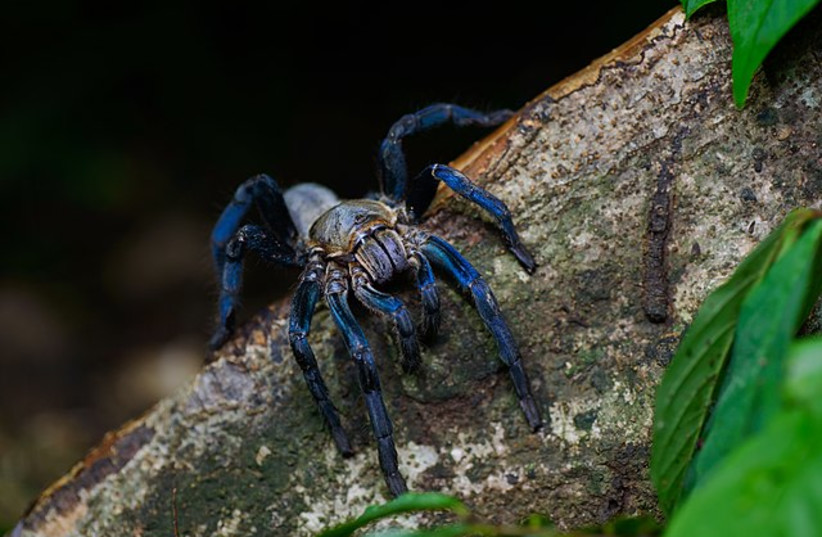
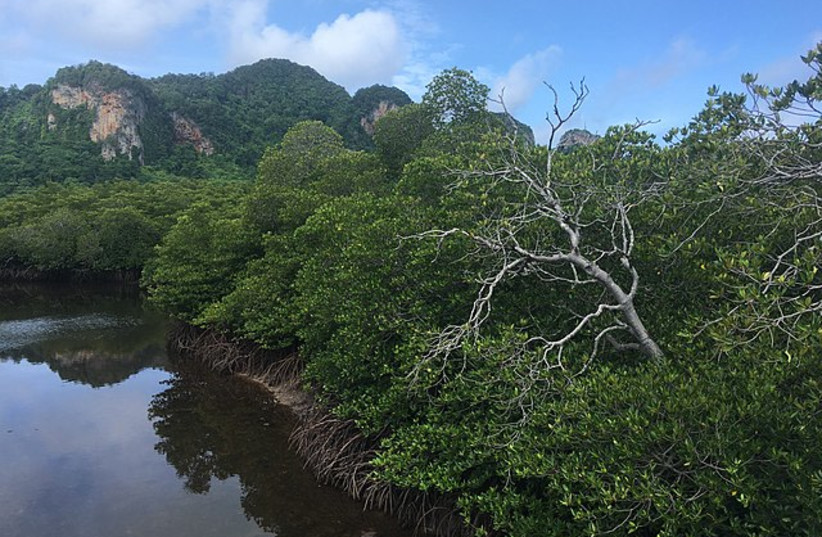
Nature News: Electric blue species of Tarantula found among Thailand's mangrove trees


Electric blue species of Tarantula found among Thailand's mangrove trees


The blue coloration on the spider's back and legs is exceptionally unique, the color blue otherwise being almost unseen in nature.


Friday, 29 September 2023

Earthworms contribute to 6.5% of global grain production

Sept. 26, 2023, by Colorado State U.

A farmer's field in western Kenya.
 Credit: Steven Fonte

Earthworms are important drivers of global food production, contributing to approximately 6.5% of grain yield and 2.3% of legumes produced worldwide each year, according to new work published by Colorado State University scientists in the journal Nature Communications.

These new estimates from a trio of CSU researchers mean earthworms may account for as much as 140 million metric tons of food produced annually—roughly comparative to the amount of cereal grains (rice, wheat, rye, oats, barley, maize and millet) grown annually by Russia, the world's fourth-largest producer.

"This is the first effort that I'm aware of that's trying to take one piece of soil biodiversity and say, 'OK, this is the value of it; this is what it's giving us on a global scale,'" said Steven Fonte, associate professor of agroecosystem ecology in the Department of Soil and Crop Sciences at CSU, and the study's lead author.

Earthworms help establish healthy soils by supporting plant growth in multiple ways—building good soil structure, assisting in water capture and aiding in the beneficial churn of organic matter that makes nutrients more available to plants. Other research has also shown that earthworms can facilitate the production of plant-growth-promoting hormones and help plants protect themselves against common soil pathogens. Some estimates have indicated earthworms can increase overall plant productivity by about 25%.

Fonte and his colleagues—Nathan Mueller, an associate professor in the Department of Ecosystem Science and Sustainability, and Marian Hsieh, a doctoral student in the same department—estimated the contribution of earthworms to global food production by overlaying and analyzing maps of earthworm abundance, soil properties, fertilize rate and crop yields.

The analysis indicated that earthworms had a more significant impact on grain production in the global south—notably, 10% of grain yield in Sub-Saharan Africa and 8% in Latin America and the Caribbean.

It's likely the earthworms contributed more in those areas, Fonte said, because farmers there tend to have less access to fertilizer and pesticides. Instead, they rely more on earthworm-rich organic matter like manure and crop residues, which help stimulate the beneficial effect earthworms have on plants.

"Earthworms are contributing a lot in these areas where we have fewer chemical inputs," Fonte said.

For this study, Fonte and his colleagues analyzed earthworm impacts on four grain crops: rice, maize, wheat and barley; the group examined a set of legumes that included soybeans, peas, chickpeas, lentils and alfalfa, among others.


An earthworm in soil. 
Credit: Steven Fonte


Fonte said he thinks soil biodiversity has historically been undervalued, and that he hopes this work will bring more attention to how healthy soils can have positive, tangible impacts on crops.

"If we manage our soils in a more sustainable way, we can better harness or leverage this biodiversity and produce more sustainable agroecosystems," Fonte said. "This work highlights that potential."

Fonte noted that other recent research has shown that soils contain as much as half the world's biodiversity, a significant increase from previous estimates of approximately 25%. "Soils are just such an intricate habitat," he said. "But there's really been very few efforts to understand what that biodiversity means to our global crop yields."

Diana Wall, a professor in the Department of Biology and the science chair of the Global Soil Biodiversity Initiative, was excited by the data published in the Nature Communications paper. "This, to me, is a really clever, very data-rich paper," Wall said. "It's really impressive."

This information could also have implications in future efforts to mitigate drought and erosion, Fonte said. For example, he said, earthworms can improve soil porosity, aiding in the beneficial capture and retention of water.

Fonte cautioned that he and his colleagues are not advocating for anyone to transplant earthworms into places they do not already exist. Rather, he hopes this work shows how improved management of soil biology in places where earthworms already call home has the potential to enhance agricultural productivity and reduce our reliance on agrochemicals.

This study marks an important first step, Fonte said, but he hopes that researchers will continue to dig into the positive benefits that other soil organisms have on crops.

"Soils are still this huge, big black box that we don't fully understand," Fonte said. "This work helps show that there's a lot of opportunity that we're just kind of ignoring."

He added, "There are probably other soil organisms that are even more important, especially microbial communities."3


Recommend this post and follow
The Life of Earth

Superbolts: Scientists figure out what causes Earth's strongest lightning

SEPTEMBER 28, 2023, by Liza Lester, American Geophysical Union

Illustration of deep convective cloud. 
Credit: Journal of Geophysical Research: Atmospheres (2023). DOI: 10.1029/2022JD038254

Superbolts are more likely to strike the closer a storm cloud's electrical charging zone is to the land or ocean's surface, a new study finds. These conditions are responsible for superbolt "hotspots" above some oceans and tall mountains.

Superbolts make up less than 1% of total lightning, but when they do strike, they pack a powerful punch. While the average lightning strike contains around 300 million volts, superbolts are 1,000 times stronger and can cause major damage to infrastructure and ships, the authors say.

"Superbolts, even though they're only a very, very tiny percentage of all lightning, they're a magnificent phenomenon," said Avichay Efraim, a physicist at the Hebrew University of Jerusalem and lead author of this study.

A 2019 report found that superbolts tend to cluster over the Northeast Atlantic Ocean, the Mediterranean Sea and the Altiplano in Peru and Bolivia, which is one of the tallest plateaus on Earth. "We wanted to know what makes these powerful superbolts more likely to form in some places as opposed to others," Efraim said.

The new study provides the first explanation for the formation and distribution of superbolts over land and sea worldwide. The research was published in the Journal of Geophysical Research: Atmospheres.

Storm clouds often reach 12 to 18 kilometers (7.5 to 11 miles) in height, spanning a wide range of temperatures. But for lightning to form, a cloud must straddle the line where the air temperature reaches 0 degrees Celsius (32 degrees Fahrenheit). Above the freezing line, in the upper reaches of the cloud, electrification takes place and generates the lightning's "charging zone." Efraim wondered whether changes in freezing line altitude, and subsequently charging zone height, could influence a storm's ability to form superbolts.

Past studies have explored whether superbolt strength could be affected by sea spray, shipping lane emissions, ocean salinity or even desert dust, but those studies were limited to regional bodies of water and could explain at most only part of the regional distribution of superbolts. A global explanation of superbolt hotspots remained elusive.

Global distribution of all superbolts from 2010-2018, with red points indicating the strongest lightning strokes. The three regions in polygons have the highest concentration of super-charged lightning making them superbolt hotspots.
 Credit: Efraim et al (2023), adapted from Holzworth et al. (2019)

To determine what causes superbolts to cluster over certain areas, Efraim and his co-authors needed to know the time, location and energy of select lightning strikes, which they obtained from a set of radio wave detectors.

They used these lightning data to extract key properties from the storms' environments, including land and water surface height, charging zone height, cloud top and base temperatures, and aerosol concentrations. They then looked for correlations between each of these factors and superbolt strength, gleaning insights into what causes stronger lightning—and what doesn't.

The researchers found that contrary to previous studies, aerosols did not have a significant effect on superbolt strength. Instead, a smaller distance between the charging zone and land or water surface led to significantly more energized lightning. Storms close to the surface allow higher-energy bolts to form because, generally, a shorter distance means less electrical resistance and therefore a higher current. And a higher current means stronger lightning bolts.

The three regions that experience the most superbolts—the Northeast Atlantic Ocean, the Mediterranean Sea and the Altiplano—all have one thing in common: short gaps between lightning charging zones and surfaces.

"The correlation we saw was very clear and significant, and it was very thrilling to see that it occurs in the three regions," Efraim said. "This is a major breakthrough for us."

Knowing that a short distance between a surface and a cloud's charging zone leads to more superbolts will help scientists determine how changes in climate could affect the occurrence of superbolt lightning in the future. Warmer temperatures could cause an increase in weaker lightning, but more moisture in the atmosphere could counteract that, Efraim said. There is no definitive answer yet.

Moving forward, the team plans on exploring other factors that could contribute to superbolt formation, such as the magnetic field or changes in the solar cycle.

"There is much more unknown, but what we've found out here is a big piece of the puzzle," Efraim said. "And we're not done yet. There's much more to do."


Recommend this post and follow
The Life of Earth

$9 Billion Wasted – 40 Years of Conservation Spending Fails To Improve Columbia Basin Wild Fish Stocks

By OREGON STATE U. Sept. 28, 2023


Despite over $9 billion spent on conservation efforts in the Columbia River Basin over four decades, research from Oregon State University reveals no improvement in wild salmon and steelhead stocks. While hatchery-reared salmon numbers have risen, the abundance of wild, naturally spawning fish has not seen a net increase, with issues from hydropower, overharvesting, and other human activities compounding the problem.

Over $9 billion in inflation-adjusted tax dollars spent on conservation over four decades has not resulted in a notable increase in wild salmon and steelhead populations in the Columbia River Basin, reveals a study from Oregon State University.

The research, led by William Jaeger from the OSU College of Agricultural Sciences, analyzed 50 years of data. It suggests that although the numbers of hatchery-reared salmon have risen, there is no indication of net growth in the wild, naturally spawning salmon and steelhead populations.

The findings were recently published in the journal PLOS One.

Jaeger, a professor of applied economics, notes that steelhead and Chinook, coho, and sockeye salmon numbers have been under heavy pressure in the Columbia River Basin for more than a century and a half – initially from overharvesting, then from hydropower beginning in 1938 with the opening of Bonneville Dam, the lowermost dam on the mainstem Columbia.

“Also, farming, logging, mining, and irrigation caused landscape changes and habitat degradation, which compounded the problems for the fish,” said Jaeger, who collaborated on the paper with Mark Scheuerell, a biologist with the U.S. Geological Survey and the University of Washington.

An estimated 16 million salmon and steelhead once returned from the Pacific to the portions of the basin above Bonneville Dam, but by the 1970s there were fewer than 1 million fish, prompting the federal government to intervene.

Juvenile steelhead trout in a natural stream environment. 
Credit: John McMillan

The Northwest Power Act of 1980 required fish and wildlife goals to be considered in addition to power generation and other objectives. The act created the Northwest Power and Conservation Council to set up conservation programs financed by Bonneville Power Administration revenues.

The cost and scale of restoration efforts grew considerably in the 1990s, Jaeger said, following the listing of 12 Columbia River runs of salmon and steelhead as threatened or endangered under the Endangered Species Act.

The public’s tab for conservation spending now exceeds $9 billion in inflation-adjusted 2020 U.S. dollars, the researchers said, which does not take into account all monies that have been spent by local governments and non-governmental agencies.

“The actual impact of all of these efforts has always been poorly understood,” Jaeger said. “Lots of people have long been concerned about a lack of evidence of salmon and steelhead recovery. One of the issues is that most studies evaluating restoration efforts have examined individual projects for specific species, life stages, or geographic areas, which limits the ability to make broad inferences at the basin level.”

Thus, Jaeger notes, a key question has persisted, and its answer is critical for sound policy and legal decisions: Is there any evidence of an overall boost in wild fish abundance that can be linked to the totality of the recovery efforts?

Based on a half-century of fish return data at Bonneville Dam, the single entry point to the basin above the dam, the evidence does not support a yes answer.

“We found no evidence in the data that the restoration spending is associated with a net increase in wild fish abundance,” Jaeger said.

He said the Northwest Power and Conservation Council set a goal of increasing total salmon and steelhead abundance in the basin to 5 million fish by 2025, but annual adult returns at Bonneville Dam averaged less than 1.5 million in the 2010s.

And while hatchery production has helped with overall numbers of adult fish, Jaeger added, it has also adversely affected wild stocks through a range of mechanisms including genetics, disease, competition for habitat and food, and predation on wild fish by hatchery fish.

“The role of hatcheries in recovery plans is controversial for many reasons, but results do indicate that hatchery production combined with restoration spending is associated with increases in returning adult fish,” Jaeger said. “However, we found that adult returns attributable to spending and hatchery releases combined do not exceed what we can attribute to hatcheries alone. We looked at ocean conditions and other environmental variables, hatchery releases, survival rates for hatchery released fish, and conservation spending, and we saw no indication of a positive net effect for wild fish.”

Even expenditures on “durable” habitat improvements designed to cumulatively benefit naturally spawning wild salmon and steelhead over many years did not lead to evidence of a return on these investments, he added.


Recommend this post and follow
The Life of Earth

Nutrition News: How safe are your sushi and sashimi?


How safe are your sushi and sashimi?


If you don't suffer from a weak immune system sushi and sashimi should be fine, but if you are you should be more careful.


Thursday, 28 September 2023

Health and Wellness News: Avoiding detection: How cancers evolve to escape immune system responses


Avoiding detection: How cancers evolve to escape immune system responses


In a study by the Weizmann Institute of Science, researchers pulled out a previously unknown mechanism that allows cancer cells to slip by immune system defenses.


Vagus nerve active during exercise, research finds

Sept. 27, 2023, by U. of Auckland

Graphical abstract.
 Credit: Circulation Research (2023). DOI: 10.1161/CIRCRESAHA.123.323017

The vagus nerve, known for its role in 'resting and digesting,' has now been found to have an important role in exercise, helping the heart pump blood, which delivers oxygen around the body.

Currently, exercise science holds that the 'fight or flight' (sympathetic) nervous system is active during exercise, helping the heart beat harder, and the 'rest and digest' (parasympathetic) nervous system is lowered or inactive.

However, University of Auckland physiology Associate Professor Rohit Ramchandra says that this current understanding is based on indirect estimates and a number of assumptions their new study has proven to be wrong. The work is published in the journal Circulation Research.

"Our study finds the activity in these 'rest and digest' vagal nerves actually increases during exercise," Dr. Ramchandra says.

"Our group has used 'tour de force' electrical recording techniques to directly monitor vagal nerve activity in exercising sheep and has found the activity in these vagal nerves going to the heart increases during exercise.

"For the heart to sustain a high level of pumping, it needs a greater blood flow during exercise to fuel the increased work it is doing: our data indicate that the increase in vagal activity does just this."

During exercise, there is a four to five-fold increase in the amount of blood pumped out by the heart per minute. This requires the heart to beat faster and to contract more forcefully.

The heart's ability to pump blood is modulated by nerves that travel from the brain, called 'autonomic' since they work automatically and do not require conscious thought.

These nerves include the 'fight or flight' or 'sympathetic' nerves and the 'rest and digest' vagal nerves, which are termed 'parasympathetic.'

The vagal nerve connects the brain to the heart, and other internal organs including the gut, regulating the 'rest and digest' parasympathetic nervous system responses.

The new research finds the parasympathetic and sympathetic nervous systems work together in exercise to help the heart pump harder and faster.

The researchers also investigated the role of mediators released by the cardiac vagal nerve.

"The cardiac vagus nerve releases multiple mediators, and previous research has focused on a neurotransmitter, acetylcholine, which has no impact on our ability to exercise," says Dr. Ramchandra.

"Our study focused on a different mediator, vasoactive intestinal peptide (VIP) and it shows that the vagus nerve releases this peptide during exercise, which helps the coronary vessels dilate allowing more blood to pump through the heart."

The first and co-corresponding author Dr. Julia Shanks says, "Vasoactive intestinal peptide was first found in the gut and it does help in digestion, but what we now know is that it is also important in exercise."

The trial was conducted in sheep, because of their similarity to humans in many important respects including cardiac anatomy and physiology. They are also well-established as an animal model to assist with finding ways to combat heart disease that translate to humans.

These fundamental findings could have applications in diseases, including heart failure, where people cannot tolerate exercise.

"This inability to carry out simple tasks involving exertion means that quality of life is severely compromised in these patients," Dr. Ramchandra says.

"One potential reason why exercise tolerance is reduced is that the diseased heart simply does not receive enough blood.

"Our follow-up study will try to see whether we can use this important role of cardiac vagal nerves to improve exercise tolerance in heart failure."

There is a lot of interest in trying to 'hack' or improve vagal tone as a means to reduce anxiety. Investigating this was outside the scope of the current study. Dr. Ramchandra says we do know that the vagus mediates the slowing down of heart rate and if we have high vagal activity, then our hearts should beat slower.

"Whether this is the same as relaxation, I am not sure, but we can say that regular exercise can improve vagal activity and has beneficial effects."


Recommend this post and follow
The Life of Earth

First Hominids Lived and Evolved in Europe, Not Africa, According to Scientists

25 Sept 2023, by Highly Compelling


Everything we might know about the history of human evolution could be wrong, with scientists now postulating that Africa may not be the birthplace of humankind. In a shocking reversal, scientists now say that The earliest hominids lived in Europe, not Africa, according to recent fossil discoveries. Remarkably, The discovery of an 8.7 million-year-old fossil ape calls into question long-accepted theories about human origins. This discovery could not only cause a paradigm shift in our understanding of human evolution, but it also pushes the date of hominin arrival on Earth back much further than previously thought. The last common ancestor of chimps and humans marks the beginning of human and chimp evolution. Moreover, When it comes to reconstructing the nature of our ape ancestors, fossil apes are critical. Fossil apes can teach us important lessons about ape and human evolution, such as the nature of our last common ancestor. Though it's difficult to believe, apes lived in Europe 12 million years ago. With wide Africa-like savannahs to roam, hunt, and forage in, it was a good place to be. However, The environment then began to change around 10 million years ago, and Droughts became severe as the Sahara formed and rapidly spread. More than eight million years ago, the beginnings of a desert in North Africa and the spread of savannahs in Southern Europe may have played a key role in the separation of the human and chimp lineages. Dust storms transported salty dust from the Sahara to the northern Mediterranean coastline, just as they do today, according to sediments found near the locations of these fossils and an analysis of uranium, thorium and led isotopes within them. Indeed, new evidence shows that the storms were a much more destructive phenomenon at that time, much more than previously believed. Chimps in Europe and Africa would have been separated for 500,000 to 700,000 years due to the Sahara desert barrier, causing them to evolve in radically different ways.

https://www.youtube.com/watch?v=smC3Xeman10


Recommend this post and follow
The birth of modern Man