Saturday, 31 August 2024

Solar Orbiter shows how solar wind gets a magnetic push

AUGUST 30, 2024, by European Space Agency

Magnetic waves power high-speed solar wind. 
Credit: European Space Agency

ESA's Solar Orbiter spacecraft has provided crucial data to answer the decades-long question of where the energy comes from to heat and accelerate the solar wind. Working in tandem with NASA's Parker Solar Probe, Solar Orbiter reveals that the energy needed to help power this outflow is coming from large fluctuations in the sun's magnetic field.

The solar wind is a constant stream of charged particles that escapes from the solar atmosphere (called the corona) to flow out past Earth. It's the collision of the solar wind with our planet's atmosphere that triggers the colorful aurora in our skies.

"Fast" solar wind moves with speeds above 500 km/s, equivalent to a whopping 1.8 million km/h. Curiously, this wind exits the sun's corona with lower speeds, so something speeds it up as it moves farther away. The million-degree wind naturally cools down as it expands into a larger volume and becomes less dense, much like the air on Earth as you climb a mountain. And yet, it cools more slowly than expected from this effect alone.

So what provides the necessary energy to accelerate and heat the fastest parts of the solar wind? In a new study published in Science, researchers used data from ESA's Solar Orbiter and NASA's Parker Solar Probe to provide conclusive evidence that the answer is large-scale oscillations in the sun's magnetic field, known as Alfvén waves.

"Before this work Alfvén waves had been suggested as a potential energy source, but we didn't have definitive proof," says joint first author of the work Yeimy Rivera from the Center for Astrophysics, Harvard & Smithsonian, Massachusetts.

In an ordinary gas, such as Earth's atmosphere, the only kind of waves that can be transmitted are sound waves. However, when a gas is heated to extraordinary temperatures, such as in the sun's atmosphere, it enters an electrified state known as a plasma and responds to magnetic fields. This allows waves, called Alfvén waves, to form in the magnetic field. These waves store energy and can efficiently carry it through a plasma.

A normal gas expresses its stored energy in the form of density, temperature and velocity. With a plasma, however, the magnetic field also stores energy. Both the Solar Orbiter and Parker Solar Probe contain the necessary instruments to measure the properties of the plasma, including its magnetic field.

Although the two spacecraft are operating at different distances from the sun, and in very different orbits, in February 2022, the spacecraft happened to align along the same stream of solar wind.

Parker, operating at 13.3 solar radii (around 9 million km) from the sun at the very outer edges of the sun's corona, crossed the stream first. Solar Orbiter, operating at 128 solar radii (89 million km), then crossed the stream a day or two later. "This work was only possible because of the very special alignment of the two spacecraft that sampled the same solar wind stream at different stages of its journey from the sun," says Yeimy.

Taking full advantage of this rare alignment, the team compared the measurements of the same plasma stream at two different locations. They first transformed the measurements into four key energy quantities, which included a measurement of the stored energy in the magnetic field, called the wave energy flux.

Because energy can neither be created nor destroyed, only converted from one form to another, the team compared the readings from Parker to those from Solar Orbiter. They did this comparison both with and without the magnetic energy term.

"We found that if we didn't include the wave energy flux at Parker, we don't quite match how much energy we have at Solar Orbiter," says joint first author Samuel Badman, Center for Astrophysics, Harvard & Smithsonian, Massachusetts.

Close to the sun, where Parker measured the stream, around 10% of the total energy was found in the magnetic field. At Solar Orbiter, this number had dropped to just 1% but the plasma had accelerated and had cooled more slowly than expected.

Comparing the numbers, the team concluded that the lost magnetic energy was powering the acceleration and slowing down the cooling of the plasma by providing some heating of its own.

The data also show how important magnetic configurations known as switchbacks are to the acceleration of the wind. The switchbacks are large deflections in the sun's magnetic field lines and are examples of Alfvén waves. They have been seen since the first solar probes of the 1970s but their detection rate has dramatically increased since Parker Solar Probe became the first spacecraft to fly through the sun's corona in 2021 and detected that switchbacks join together in patches.

This new work confirms that these patches of switchbacks contain enough energy to be responsible for the missing portion of the acceleration and heating of the fast solar wind.

"This new work expertly brings together some large pieces of the solar puzzle. More and more, the combination of data collected by Solar Orbiter, Parker Solar Probe and other missions is showing us that different solar phenomena actually work together to build this extraordinary magnetic environment," says Daniel Müller, ESA Project Scientist for Solar Orbiter.

And it's not just telling us about our solar system. "Our sun is the only star in the universe where we can directly measure its wind. So what we learned about our sun potentially applies at least to other sun-type stars, and perhaps other types of stars that have winds," says Samuel.

The team is currently working on expanding their analysis to apply to slower forms of the solar wind, to see whether the sun's magnetic field energy plays a role in their acceleration and heating too.


Recommend this post and follow
The Life of Earth

Rainwater: Scientists Discover Unexpected Missing Link in the Origin of Life

BY P. DAILING, U. OF CHICAGO, AUGUST 30, 2024


A new paper from the UChicago Pritzker School of Molecular Engineering, University of Houston Chemical Engineering Department and Chicago Center for the Origins of Life suggests rainwater could have helped create a meshy wall around protocells 3.8 billion years ago, a critical step in the transition from tiny beads of RNA to every bacterium, plant, animal, and human that ever lived. 
Credit: UChicago Pritzker School of Molecular Engineering / Peter Allen, Second Bay Studios


A new study indicates that rainwater may have helped early RNA structures develop into protocells by forming protective barriers around them, aiding in their evolution into complex life forms.

A fundamental question about the origin of life is how droplets of RNA floating around the primordial soup turned into the membrane-protected packets of life we call cells.

Now, a team of researchers from the University of Chicago’s Pritzker School of Molecular Engineering (UChicago PME), the University of Houston’s Chemical Engineering Department, and the UChicago Chemistry Department have proposed a solution.

In a new study published Science Advances, UChicago PME postdoctoral researcher Aman Agrawal and his co-authors – including UChicago PME Dean Emeritus Matthew Tirrell and Nobel Prize-winning biologist Jack Szostak – show how rainwater could have helped create a meshy wall around protocells 3.8 billion years ago, a critical step in the transition from tiny beads of RNA to every bacterium, plant, animal, and human that ever lived.

“This is a distinctive and novel observation,” Tirrell said.


University of Houston Prof. Alamgir Karim first suggested rain as a possible source of distilled water that would have existed in the era when protocells first formed. 
Credit: University of Houston


Protocell Stability Challenge

The research looks at “coacervate droplets” – naturally occurring compartments of complex molecules like proteins, lipids, and RNA. The droplets, which behave like drops of cooking oil in water, have long been eyed as a candidate for the first protocells. But there was a problem. It wasn’t that these droplets couldn’t exchange molecules between each other, a key step in evolution, the problem was that they did it too well, and too fast.

Any droplet containing a new, potentially useful pre-life mutation of RNA would exchange this RNA with the other RNA droplets within minutes, meaning they would quickly all be the same. There would be no differentiation and no competition – meaning no evolution. And that means no life.

“If molecules continually exchange between droplets or between cells, then all the cells after a short while will look alike, and there will be no evolution because you are ending up with identical clones,” Agrawal said.


UChicago Pritzker School of Molecular Engineering postdoctoral researcher Aman Agrawal discusses his coacervate droplet research with Nobel Prize laureate Jack Szostak of the Chicago Center for the Origins of Life. Agrawal began his research at the University of Houston initially unaware of its possible implications for life’s early formation.
 Credit: UChicago Pritzker School of Molecular Engineering / John Zich


Collaborative Research and RNA’s Role

Life is by nature interdisciplinary, so Szostak, the director of UChicago’s Chicago Center for the Origins of Life, said it was natural to collaborate with both UChicago PME, UChicago’s interdisciplinary school of molecular engineering, and the chemical engineering department at the University of Houston.

“Engineers have been studying the physical chemistry of these types of complexes – and polymer chemistry more generally – for a long time. It makes sense that there’s expertise in the engineering school,” Szostak said. “When we’re looking at something like the origin of life, it’s so complicated and there are so many parts that we need people to get involved who have any kind of relevant experience.”

In the early 2000s, Szostak started looking at RNA as the first biological material to develop. It solved a problem that had long stymied researchers looking at DNA or proteins as the earliest molecules of life.

“It’s like a chicken-egg problem. What came first?” Agrawal said. “DNA is the molecule which encodes information, but it cannot do any function. Proteins are the molecules which perform functions, but they don’t encode any heritable information.”

Researchers like Szostak theorized that RNA came first, “taking care of everything” in Agrawal’s words, with proteins and DNA slowly evolving from it.

“RNA is a molecule which, like DNA, can encode information, but it also folds like proteins so that it can perform functions such as catalysis as well,” Agrawal said.

RNA was a likely candidate for the first biological material. Coacervate droplets were likely candidates for the first protocells. Coacervate droplets containing early forms of RNA seemed a natural next step.

Fluorescence microscopy image of three coexisting populations of stable coacervate protocells. The protocells contain long single-stranded RNAs, labeled with green, red, and blue fluorescent dyes. The absence of any intermixing of colors suggests that the exchange of RNA between the stable protocells is restricted. 
Credit: UChicago Pritzker School of Molecular Engineering / Aman Agrawal

Discovery of RNA Stability in Rainwater

That is until Szostak poured cold water on this theory, publishing a paper in 2014 showing that RNA in coacervate droplets exchanged too rapidly.

“You can make all kinds of droplets of different types of coacervates, but they don’t maintain their separate identity. They tend to exchange their RNA content too rapidly. That’s been a long-standing problem,” Szostak said. “What we showed in this new paper is that you can overcome at least part of that problem by transferring these coacervate droplets into distilled water – for example, rainwater or freshwater of any type – and they get a sort of tough skin around the droplets that restricts them from exchanging RNA content.”

Although the exact chemical composition of both the early pre-biological molecules and early rain remain lost to time, the new paper from UChicago Pritzker School of Molecular Engineering postdoctoral researcher Aman Agrawal outlines how such a transition could have occurred. “While the chemistry would be a little bit different, the physics will remain the same,” Agrawal said. 
Credit: UChicago Pritzker School of Molecular Engineering / Aman Agrawal

Bridging Engineering and Biology

Agrawal started transferring coacervate droplets into distilled water during his PhD research at the University of Houston, studying their behavior under an electric field. At this point, the research had nothing to do with the origin of life; it was just studying fascinating material from an engineering perspective.

“Engineers, particularly Chemical and Materials, have good knowledge of how to manipulate material properties such as interfacial tension, role of charged polymers, salt, pH control, etc.,” said University of Houston Prof. Alamgir Karim, Agrawal’s former thesis advisor and a senior co-author of the new paper. “These are all key aspects of the world popularly known as ‘complex fluids’ – think shampoo and liquid soap.”

Agrawal wanted to study other fundamental properties of coacervates during his PhD. It wasn’t Karim’s area of study, but Karim had worked decades earlier at the University of Minnesota under one of the world’s top experts – Tirrell, who later became the founding dean of the UChicago Pritzker School of Molecular Engineering.

During a lunch with Agrawal and Karim, Tirrell brought up how the research into the effects of distilled water on coacervate droplets might relate to the origin of life on Earth. Tirrell asked where distilled water would have existed 3.8 billion years ago.

“I spontaneously said ‘rainwater!’ His eyes lit up and he was very excited at the suggestion,” Karim said. “So, you can say it was a spontaneous combustion of ideas or ideation!”

Tirrell brought Agrawal’s distilled water research to Szostak, who had recently joined the University of Chicago to lead what was then called the Origins of Life Initiative. He posed the same question he had asked Karim.

“I said to him, ‘Where do you think distilled water could come from in a prebiotic world?’” Tirrell recalled. “And Jack said exactly what I hoped he would say, which was rain.”

From left, Nobel Prize laureate Jack Szostak of the Chicago Center for the Origins of Life, UChicago Pritzker School of Molecular Engineering postdoctoral researcher Aman Agrawal and UChicago PME Dean Emeritus Matthew Tirrell are behind a new paper proposing that raindrops helped droplets of biological materials floating in the primordial soup form the first protocell walls. 
Credit: UChicago Pritzker School of Molecular Engineering / John Zich


Implications for Prebiotic Evolution

Working with RNA samples from Szostak, Agrawal found that transferring coacervate droplets into distilled water increased the time scale of RNA exchange – from mere minutes to several days. This was long enough for mutation, competition, and evolution.

“If you have protocell populations that are unstable, they will exchange their genetic material with each other and become clones. There is no possibility of Darwinian evolution,” Agrawal said. “But if they stabilize against exchange so that they store their genetic information well enough, at least for several days so that the mutations can happen in their genetic sequences, then a population can evolve.”

Initially, Agrawal experimented with deionized water, which is purified under lab conditions. “This prompted the reviewers of the journal who then asked what would happen if the prebiotic rainwater was very acidic,” he said.

Real-world Testing and Future Directions

Commercial lab water is free from all contaminants, has no salt, and lives with a neutral pH perfectly balanced between base and acid. In short, it’s about as far from real-world conditions as a material can get. They needed to work with a material more like actual rain.

“We simply collected water from rain in Houston and tested the stability of our droplets in it, just to make sure what we are reporting is accurate,” Agrawal said.

In tests with the actual rainwater and with lab water modified to mimic the acidity of rainwater, they found the same results. The meshy walls formed, creating the conditions that could have led to life.

The chemical composition of the rain falling over Houston in the 2020s is not the rain that would have fallen 750 million years after the Earth formed, and the same can be said for the model protocell system Agrawal tested. The new paper proves that this approach of building a meshy wall around protocells is possible and can work together to compartmentalize the molecules of life, putting researchers closer than ever to finding the right set of chemical and environmental conditions that allow protocells to evolve.

“The molecules we used to build these protocells are just models until more suitable molecules can be found as substitutes,” Agrawal said. “While the chemistry would be a little bit different, the physics will remain the same.”


Recommend this post and follow
The Life of Earth

New Research Reveals That Wood Surfaces Could Reduce COVID-19 Transmission

BY AMERICAN CHEMICAL SOCIETY, AUGUST 31, 2024

Wood has natural antiviral properties that can shorten the lifespan of viruses on surfaces, with types like pine and spruce showing significant effectiveness in under an hour, suggesting wood as a viable material for natural antiviral applications.

Research shows that wood has natural antiviral properties effective against viruses such as the coronavirus, potentially making it a sustainable option for reducing surface transmission.

Viruses, such as the coronavirus responsible for COVID-19, can be transmitted from person to person through contact with contaminated surfaces. However, could certain surfaces naturally reduce this risk without the need for household disinfectants? According to a study published in ACS Applied Materials & Interfaces, wood possesses inherent antiviral properties that can decrease the duration viruses remain active on its surface. Furthermore, some types of wood are more effective than others in reducing viral infectivity.

Enveloped viruses, like the coronavirus, can live up to five days on surfaces; nonenveloped viruses, including enteroviruses linked to the common cold, can live for weeks, in some cases even if the surfaces are disinfected. Previous studies have shown that wood has antibacterial and antifungal properties, making it an ideal material for cutting boards. However, wood’s ability to inactivate viruses has yet to be explored, which is what Varpu Marjomäki and colleagues set out to study.


Researchers looked at how long viruses remained infectious on different species of wood and found that some are promising candidates for sustainable, natural antiviral materials. 
Credit: Adapted from ACS Applied Materials & Interfaces 2024, DOI: 10.1021/acsami.4c02156


Research Methodology

The researchers looked at how long enveloped and nonenveloped viruses remained infectious on the surface of six types of wood: Scots pine, silver birch, gray alder, eucalyptus, pedunculate oak, and Norway spruce. To determine viral activity, they flushed a wood sample’s surface with a liquid solution at different time points and then placed that solution in a petri dish that contained cultured cells. After incubating the cells with the solution, they measured the number (if any) infected with the virus.

Results from their demonstrations with an enveloped coronavirus showed that pine, spruce, birch, and alder need one hour to completely reduce the virus’ ability to infect cells, with eucalyptus and oak needing two hours. Pine had the fastest onset of antiviral activity, beginning after five minutes. Spruce came in second, showing a sharp drop in infectivity after 10 minutes.

Study Findings on Viral Infectivity

For a nonenveloped enterovirus, the researchers found that incubation on oak and spruce surfaces resulted in a loss of infectivity within about an hour, with oak having an onset time of 7.5 minutes and spruce after 60 minutes. Pine, birch, and eucalyptus reduced the virus’ infectivity after four hours, and alder showed no antiviral effect.

Based on their study data, the researchers concluded that the chemical composition of a wood’s surface is primarily responsible for its antiviral functionality. While determining the exact chemical mechanisms responsible for viral inactivation will require further study, they say these findings point to wood as a promising potential candidate for sustainable, natural antiviral materials.


Recommend this post and follow
The Life of Earth

Archaeology News: Ancient seal with winged 'genie,' inscribed Jewish name found in Jerusalem

Ancient seal with winged 'genie,' inscribed Jewish name found in Jerusalem

A 2,700-year-old seal featuring a winged figure and Hebrew script was discovered. The seal reveals the Assyrian influence during the First Temple era in Jerusalem.

By Jerusalem Post Staff, August 29, 2024

https://www.jpost.com/archaeology/article-816895

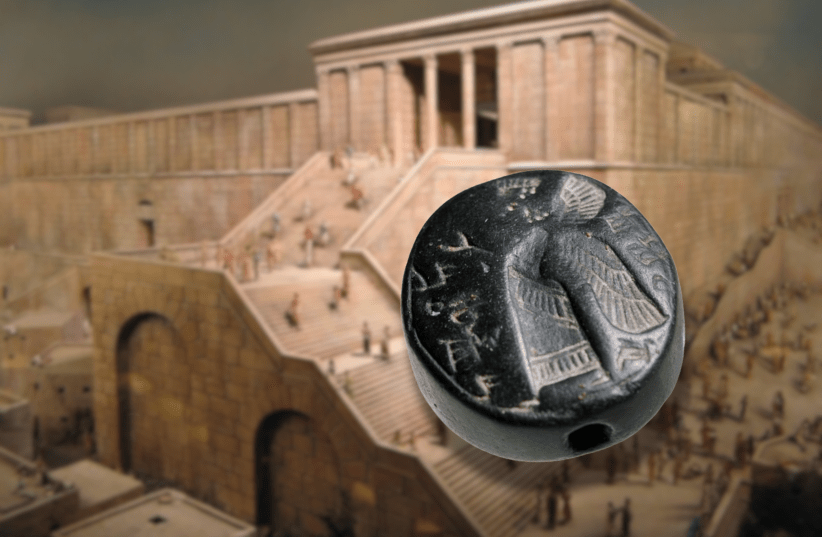
The rare seal found in Jerusalem near the West Wall depicting a winged figure. (photo credit: Israel Antiquities Authority)


A stone seal from the Jewish First Temple period, about 2,700 years ago, was discovered near the Southern Wall of Temple Mount, the Israel Antiquities Authority (IAA) reported in a press release on Thursday morning.


The "extremely rare and unusual stone seal... bearing a name inscribed in paleo-Hebrew script and a winged figure" is made of black stone and considered "one of the most beautiful ever discovered in excavations in ancient Jerusalem," excavation directors Dr. Yuval Baruch and Navot Rom said.


The seal was used as an amulet, as well as a tool to sign documents and certificates. The figure featured in its center is depicted in profile and sports a set of wings. The figure is wearing a striped shirt and a hat or crown, and the paleo-Hebrew script on the seal says, "LeYehoʼezer ben Hoshʼayahu," which translates to 'For Yeho'ezer son of Hosh'ayahu.'


“This is an extremely rare and unusual discovery. This is the first time that a winged ‘genie’ – a protective magical figure – has been found in Israeli and regional archaeology. Figures of winged demons are known in the Neo-Assyrian art of the 9th-7th Centuries BCE, and they were considered a kind of protective demon,” said IAA Archeologist and Assyriologist Dr. Filip Vukosavovic.


Researchers believe that the seal, used as an amulet, was first worn by the latter name of the two, who "held a senior position in the Kingdom of Judah's administration." The amulet, which embodies a symbol of authority, was made by a Judahite "at a very high artistic level," explained Dr. Vukosavovic.


                    The ancient seal. (credit: Emil Aladjem, Israel Antiquities Authority)


The name "Yehoʼezer" appears in the Bible in its abbreviated form as "Yoʼezer," who was one of King David's warriors. Additionally, a similar name, "Azariah ben Hoshʼaya," is mentioned in the book of Jeremiah and describes events from the First Temple era, around 2,700 years ago.


Assyrian influence during the First Temple era

The seal's name is structured with the two parts of the first name in reverse order compared to the biblical text, and the second name appears in its abbreviated form, a writing style typical for the time period.


Prof. Ronny Reich from the University of Haifa, a research partner in the study, remarks that “comparing the shape of the letters and the writing to those of other Hebrew seals and bullae (clay seal impressions) from Jerusalem shows that, in contrast to the careful engraving of the demon, inscribing the names on the seal was done in a sloppy manner. It is not impossible that perhaps it was Yehoʼezer himself who engraved the names on the object," which may suggest a personal connection between the seal’s owner and its creation.


“This is further evidence of the reading and writing abilities that existed in this period,” Dr. Baruch added, challenging the notion that literacy was confined to society’s elite.


Dr. Baruch suggested that people 2,700 years ago possessed reading and writing skills necessary for commercial activities, at least at a basic level. Dr. Baruch also emphasized the seal’s unique design, noting that “the figure of a winged man in a distinct Neo-Assyrian style is unique and very rare in the glyphic styles of the late First Temple period. The influence of the Assyrian Empire, which had conquered the entire region, is clearly evident here.”


The discovery of the ancient seal provides new understandings of the influence of the Assyrian Empire on Judah, particularly in Jerusalem, during the First Temple period. The seal, featuring a demon as its insignia, reflects this influence, while the Hebrew script used for the owner's name, Yehoʼezer, highlights his connection to local Judahite culture. Archaeological evidence, especially from the City of David and the Temple Mount, showcases the extent of Assyrian cultural impact in the region.


Heritage Minister Rabbi Amichai Eliyahu welcomed the find, noting its significance in demonstrating Jerusalem's importance and centrality 2,700 years ago.


The rare seal will be presented to the public at the 25th annual "City of David Research Conference" in Jerusalem on Wednesday, September 4, offering further insights into Judah’s history during the First Temple period.

Friday, 30 August 2024

The West Coast Is at Risk: New Megathrust Fault Research Indicates That the Next Big Earthquake Could Be Imminent

BY COLUMBIA CLIMATE SCHOOL, AUGUST 28, 2024

New research on the Cascadia Subduction Zone shows it has a segmented fault structure, impacting earthquake predictions and preparedness strategies, potentially affecting building codes in vulnerable areas like Washington’s Olympic Peninsula.
 Credit: SciTechDaily.com

Large-scale earthquakes and tsunamis have historically affected the western regions of the U.S. and Canada and are likely to do so in the future.

Off the southern coasts of British Columbia, Washington, Oregon, and northern California, a 600-mile-long strip exists where the Pacific Ocean floor gradually subducts eastward beneath North America.

This area, called the Cascadia Subduction Zone, hosts a megathrust fault, a place where tectonic plates move against each other in a highly dangerous way. The plates can periodically lock up and build stress over wide areas―eventually to be released when they finally lurch against each other.

The result: the world’s greatest earthquakes, shaking both seabed and land, and generating tsunamis 100 feet high or more. Such a fault off Japan caused the 2011 Fukushima nuclear disaster. Similar zones exist off Alaska, Chile, and New Zealand, among other places. At Cascadia, big quakes are believed to come roughly every 500 years, give or take a couple hundred. The last occurred in 1700.

Research Advancements in Understanding Seismic Activity

Scientists have long been working to understand the Cascadia Subduction Zone’s subterranean structures and mechanics, in order to delineate places most susceptible to quakes, how big they might be, and what warning signs they might produce. There is no such thing as predicting an earthquake; rather, scientists try to forecast probabilities of multiple scenarios, hoping to help authorities design building codes and warning systems to minimize the damage when something happens.

A newly published study promises to greatly advance this effort. A research vessel towing an array of the latest geophysical instruments along almost the entire zone has produced the first comprehensive survey of the many complex structures beneath the seafloor. These include the geometry of the down-going ocean plate and overlying sediments, and the makeup of the overriding North American plate. The study was recently published in the journal Science Advances.

A schematic cross-section of the Cascadia Subduction Zone shows the ocean floor plate (light grey) moving under the North American continental plate, along with other features.
 Credit: U.S. Geological Survey

“The models currently in use by public agencies were based on a limited set of old, low-quality 1980s-era data,” said Suzanne Carbotte, a marine geophysicist at Columbia University’s Lamont-Doherty Earth Observatory, who led the research. “The megathrust has a much more complex geometry than previously assumed. The study provides a new framework for earthquake and tsunami hazard assessment.”

With funding from the U.S. National Science Foundation, the data was gathered during a 41-day cruise in 2021 by Lamont’s research vessel, the Marcus G. Langseth. Researchers aboard the ship penetrated the seafloor with powerful sound pulses and read the echoes, which were then converted into images, somewhat similar to how physicians create interior scans of the human body.
New Insights into Fault Segmentation and Tsunami Risks

One key finding: the megathrust fault zone is not just one continuous structure, but is divided into at least four segments, each potentially somewhat insulated against the movements of the others. Scientists have long debated whether past events, including the 1700 quake, ruptured the entire zone or just part of it—a key question, because the longer the rupture, the bigger the quake.

The data show that the segments are divided by buried features including big faults, where opposing sides slide against each other perpendicular to the shore. This might help buffer against movement on one segment translating to the next. “We can’t say that this definitely means only single segments will rupture, or that definitely the whole thing will go at once,” said Harold Tobin, a geophysicist at the University of Washington and co-author of the study. “But this does upgrade evidence that there are segmented ruptures.”


Sub-seafloor map of the Cascadia Subduction Zone, showing depth of the fault between the eastward-moving Juan de Fuca place and the North American plate.
 Yellow/orange indicates shallow depths; green, deeper; blues/purples deepest. 
Diagonal black lines approximate divisions between different segments of the zone. The wavy red line to the right indicates the seaward edge of rigid continental rocks that apparently cause the zone to break into these segments. 
Credit: Modified from Carbotte et al., Science Advances, 2024


The imagery also suggests the causes of the segmentation: the rigid edge of the overriding North American continental plate is composed of many different kinds of rocks, formed at different times over many tens of millions of years, with some being denser than others. This variety in the continental rocks causes the incoming, more pliable oceanic plate to bend and twist to accommodate differences in overlying pressure. In some places, segments go down at relatively steep angles, in others at shallow ones.

The researchers zeroed in on one segment in particular, which runs from southern Vancouver Island alongside Washington state, more or less ending at the Oregon border. The subterranean topography of other segments is relatively rough, with oceanic features like faults and subducted seamounts rubbing up against the upper plate—features that might erode the upper plate and limit how far any quake may propagate within the segment, thus limiting the quake’s size. In contrast, the Vancouver-Washington segment is quite smooth. This means that it may be more likely to rupture along its entire length at once, making it potentially the most dangerous section.

Ongoing Research and Implications for Regional Safety

Also in this segment, the seafloor is subducting under the continental crust at a shallow angle relative to the other segments. In the other segments, most of the earthquake-prone interface between the plates lies offshore, but here the study found the shallow subduction angle means it probably extends directly under Washington’s Olympic Peninsula. This might magnify any shaking on land. “It requires a lot more study, but for places like Tacoma and Seattle, it could mean the difference between alarming and catastrophic,” said Tobin.

With funding from the U.S. Geological Survey, a consortium of state and federal agencies and academic institutions has already been poring over the data since it became available to sort through the implications.

As for tsunami hazard, that is “still a work in progress,” said Kelin Wang, a research scientist at the Geological Survey of Canada who was not involved in the study. Wang’s group is using the data to model features of the seafloor off Vancouver Island that might generate tsunamis. (In general, a tsunami occurs when the deep seafloor moves up or down during a quake, sending a wave to the surface that concentrates its energy and gathers height as it reaches shallower coastal waters.) Wang said his results will go to another group that models tsunamis themselves, and after that to another group that analyzes the hazards on land.

Practical assessments that could affect building codes or other aspects of preparedness may be published as early as next year, say the researchers. “There’s a whole lot more complexity here than was previously inferred,” said Carbotte.


Recommend this post and follow
The Life of Earth
https://disqus.com/home/forum/lifeofearth/

'Snowball Earth': The Best Evidence Yet May Have Just Been Found

26 August 2024, By J. COCKERILL

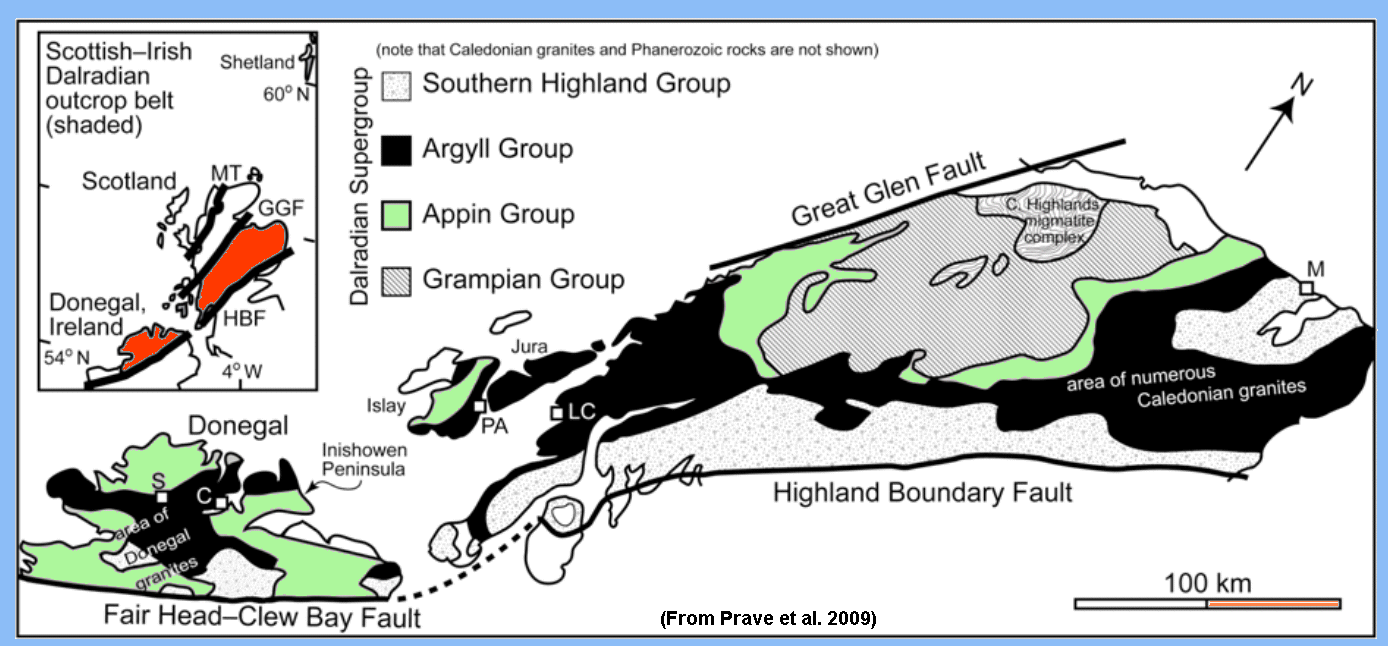
A view of Garbh Eileach, the largest island in the Garvellach island chain where the gradational transition into snowball Earth is recorded.

For nearly 60 million years, our home planet was likely frozen into a big snowball.

Now, scientists have discovered evidence of Earth's transition from a tropical underwater world, writhing with photosynthetic bacteria, to a frozen wasteland – all preserved within the layers of giant rocks in a chain of Scottish and Irish islands.

The team, led by researchers from University College London (UCL), examined more than 2,000 grains of zircon from 11 sandstone samples, taken from up to 200 meters within the 1.1 km-thick (0.7 miles) Port Askaig formation, and the older, underlying Garbh Eileach formation, which is 70 meters thick.

These formations are part of the Dalradian Supergroup of Scotland and Ireland, a chain of geological formations spanning from Donegal in Ireland in a north-easterly line up through the center of Scotland, exposed to the surface in places like the Scottish island Garbh Eileach, where the researchers found their evidence.

Grains of zircon deposited in sedimentary layers can be used to determine the age of a rock layer. As zircon forms, it rejects any lead from nestling within its structure. But it always contains a degree of uranium, which eventually decays into lead at a constant rate over time, even if it's nestled within lead-hating zircon.

So any lead found within zircon indicates decay from uranium, which provides an excellent record of time passing.

This technique revealed the rocks in the Port Askaig and Garbh Eileach formations were laid between 720 and 662 million years ago, a bracket of time during which Earth underwent drastic climatic change, the Sturtian glaciation.

This was the first of two worldwide 'freezes' that may have kickstarted multicellular life on Earth, so finding such a well-preserved geological archive of this time so close to the surface is pretty exciting (not to mention convenient).

"Our study provides the first conclusive age constraints for these Scottish and Irish rocks, confirming their global significance," says Elias Rugen, an earth sciences PhD candidate at UCL.

Before the upper layers of rock were deposited during the "unimaginable cold" of the Sturtian glaciation, which some believe was a Snowball Earth event, the older layer of carbonate rocks formed in tropical waters, Elias explains.

"These layers record a tropical marine environment with flourishing cyanobacterial life that gradually became cooler, marking the end of a billion years or so of a temperate climate on Earth," he says.

"Most areas of the world are missing this remarkable transition because the ancient glaciers scraped and eroded away the rocks underneath, but in Scotland by some miracle the transition can be seen."

The age constraints they've defined for these rocks could mean the site becomes marked as the official starting point of the Cryogenian Period.

"These rocks record a time when Earth was covered in ice. All complex, multicellular life, such as animals, arose out of this deep freeze, with the first evidence in the fossil record appearing shortly after the planet thawed," says UCL geochemist Graham Shields.

"The retreat of the ice would have been catastrophic. Life had been used to tens of millions of years of deep freeze. As soon as the world warmed up, all of life would have had to compete in an arms race to adapt. Whatever survived were the ancestors of all animals," says Shields.


Recommend this post and follow
The Life of Earth
https://disqus.com/home/forum/lifeofearth/

Africa's 'youthquake': Huge numbers of young people have no jobs, the wrong skills and little hope

AUGUST 29, 2024, by M. Spooner, The Conversation

Credit: Unsplash/CC0 Public Domain

By 2050, one in every three young people on Earth will be of African origin, according to the 2024 International Labor Organization's (ILO) Global Employment Trends for Youth report. Africa's young people will be key players in the direction of future global consumption, culture and even stability.

It's estimated that by 2050, about 72.6 million new jobs for sub-Saharan Africa's young people will be needed. The ILO report warns of an African "youthquake" unless the continent creates new jobs. Recent countrywide protests in Kenya provide a glimpse into the scale and energy that these quakes may have.

But, worryingly, many African countries aren't actually producing enough secure jobs that can help young people meet their needs and have a good quality of life.

Youth unemployment

As highlighted in the ILO report, sub-Saharan Africa already shows a youth unemployment rate of 8.9%, and only a small minority of young adults get what would qualify as a "decent job."

We've published various articles which highlight the extent of the youth unemployment problem and what's driving it.

Youth unemployment is a major issue in South Africa—the unemployment rate is 49% for young people aged 15–24. As inequality scholar Imraan Valodia explains, the drivers of these rates can be global (such as changing employment patterns) or specific to South Africa (such as the legacy of the country's apartheid past).

Skills mismatch is one of the main reasons given by economist Stephen Onyeiwu for Nigeria's high youth unemployment rate. Youth unemployment in Nigeria stood at 15.3% in 2019. Onyeiwu argues that these official statistics often underestimate the severity of the problem. For example, they don't account for the fact that over 80% of Nigerians with primary education (or more) who are regarded as employed are grossly under-employed in low-productivity informal-sector work.

Skills mismatch is also a problem in Kenya. A group of management scholars argues that it's one of the drivers of youth unemployment in Kenya: graduates don't have the skills needed by the job market. Young people make up at least 80% of the unemployed population in Kenya. Despite being educated, significant numbers of young people remain unemployed or underemployed.

Insecure work

As highlighted in the ILO report, without many options, Africa's young people are turning to insecure work. Nearly three in four working young adults in sub-Saharan Africa are in insecure work; one in three paid workers earns less than the median wage.

There are various types of work and strategies that young people will engage in. For instance, researcher Hannah J. Dawson reveals that young South Africans will run car wash ventures, fix cars (as informal mechanics), and rent back rooms or shacks. They might also wire illegal electricity connections for a fee or street-side gamble.

These informal strategies to make a living can be stressful and frustrating. Researcher Laurent Fourchard reviewed Daniel E. Agbiboa's book They Eat Our Sweat: Transport Labor, Corruption, and Everyday Survival in Urban Nigeria, which explores the world of drivers of minibuses (danfo) and motorcycles (okada) in Lagos. Like many informal workers, these transport operators have no fixed income, no days off and no social protection.

Anthropologist Peter Lockwood shows just how difficult this precarious situation can be. He shares insights from the diaries of young Kenyans in Nairobi which reveal lives of joblessness and endless searching for money, all punctuated by substance use.

Ways forward

What can be done about this situation?

Each country will need a different approach. As economists Derek Yu and Christie Swanepoel explain, it's important to understand the different categories of the "unemployed" even within countries in order to create more effective policies.

For instance, their study found that nearly 43% of unemployed South Africans fell into a transitory category. Those without a job throughout the whole seven-year study period represented just 4.33%. Their policy suggestions therefore related to improving the quality of education and ensuring labor skills meet the needs of the labor markets. They also emphasized the importance of better industrial policies which allowed for labor-intensive employment, combined with hiring people with lower levels of education. Manufacturing, in particular, was highlighted as the sector that's best placed to absorb unskilled or semi-skilled workers.

The need for jobs across the continent is critical. And good policies for job creation require good data.

Data scientist Katharina Fenz is part of a team that launched the Africa Youth Employment Clock. This provides real-time insights into the employment status of individuals aged 15–35 across the continent. Employment numbers are always changing, showing new predictions every day. In this article, Fenz reveals how the clock works. She also flags some interesting trends—like a decline in agricultural employment across all countries on the continent, indicating a shift in employment patterns towards industry and services.


Recommend this post and follow
The birth of Modern Man
https://disqus.com/home/forum/lifeofearth/

Thursday, 29 August 2024

Bacterial cells transmit 'memories' to offspring, research finds

August 28, 2024, by Northwestern U.

An artistic illustration of how cells retain and even pass down memories to their offspring. 
Credit: Camila Felix/Northwestern University

Bacterial cells can "remember" brief, temporary changes to their bodies and immediate surroundings, a new Northwestern University and University of Texas-Southwestern study has found.

And, although these changes are not encoded in the cell's genetics, the cell still passes memories of them to its offspring—for multiple generations.

Not only does this discovery challenge long-held assumptions of how the simplest organisms transmit and inherit physical traits, it also could be leveraged for new medical applications. For example, researchers could circumvent antibiotic resistance by subtly tweaking a pathogenic bacterium to render its offspring more sensitive to treatment for generations.

The study, "Irreversibility in bacterial regulatory networks," was published Aug. 28 in the journal Science Advances.

"A central assumption in bacterial biology is that heritable physical characteristics are determined primarily by DNA," said Northwestern's Adilson Motter, the study's senior author.

"But, from the perspective of complex systems, we know that information also can be stored at the level of the network of regulatory relationships among genes. We wanted to explore whether there are characteristics transmitted from parents to offspring that are not encoded in DNA, but rather in the regulatory network itself.

"We found that temporary changes to gene regulation imprint lasting changes within the network that are passed on to the offspring. In other words, the echoes of changes affecting their parents persist in the regulatory network while the DNA remains unchanged."

Motter is the Charles E. and Emma H. Morrison Professor of Physics at Northwestern's Weinberg College of Arts and Sciences and director of the Center for Network Dynamics. The study's co-first authors are postdoctoral fellow Thomas Wytock and graduate student Yi Zhao, who are both members of Motter's laboratory.

The study also involves a collaboration with Kimberly Reynolds, a systems biologist at the University of Texas Southwestern Medical Center.

Learning from a model organism

Since researchers first identified the molecular underpinnings of the genetic code in the 1950s, they have assumed traits are primarily—if not exclusively—transmitted through DNA. However, after the completion of the Human Genome Project in 2001, researchers have revisited this assumption.

Wytock cites the World War II Dutch famine as a famous example, pointing to the possibility of heritable, non-genetic traits in humans. A recent study showed that the children of men who were exposed to the famine in utero, exhibited an increased tendency to become overweight as adults. But isolating the ultimate causes of this type of non-genetic inheritance in humans has proved challenging.

"In the case of complex organisms, the challenge lies in disentangling confounding factors such as survivor bias," Motter said.

"But perhaps we can isolate the causes for the simplest single-cell organisms, since we can control their environment and interrogate their genetics. If we observe something in this case, we can attribute the origin of non-genetic inheritance to a limited number of possibilities—in particular, changes in gene regulation."

The regulatory network is analogous to a communication network that genes use to influence each other. The research team hypothesized that this network alone could hold the key to transmitting traits to offspring. To explore this hypothesis, Motter and his team turned to Escherichia coli (E. coli), a common bacterium and well-studied model organism.

"In the case of E. coli, the entire organism is a single cell," Wytock said.

"It has many fewer genes than a human cell, some 4,000 genes as opposed to 20,000. It also lacks the intracellular structures known to underlie the persistence of DNA organization in yeast and the multiplicity of cell types in higher organisms. Because E. coli is a well-studied model organism, we know the organization of the gene regulatory network in some detail."

Reversible stress, irreversible change

The research team used a mathematical model of the regulatory network to simulate the temporary deactivation (and subsequent reactivation) of individual genes in E. coli.

They discovered these transient perturbations can generate lasting changes, which are projected to be inherited for multiple generations. The team is currently working to validate their simulations in laboratory experiments using a variation of CRISPR that deactivates genes temporarily rather than permanently.

But if the changes are encoded in the regulatory network rather than the DNA, the research team questioned how a cell can transmit them across generations.

They propose that the reversible perturbation sparks an irreversible chain reaction within the regulatory network. As one gene deactivates, it affects the gene next to it in the network. By the time the first gene is reactivated, the cascade is already in full swing because the genes can form self-sustaining circuits that become impervious to outside influences once activated.

"It's a network phenomenon," said Motter, who is an expert in the dynamic behaviors of complex systems. "Genes interact with each other. If you perturb one gene, it affects others."

Although his team is deactivating genes to test the hypothesis, Motter is clear that different types of perturbations could cause a similar effect. "We also could have changed the cell's environment," he said. "It could be the temperature, the availability of nutrients or the pH."

The study also suggests that other organisms have the necessary elements to exhibit non-genetic heritability. "In biology, it's dangerous to assume anything is universal," Motter contends. "But, intuitively, I do expect the effect to be common because E. coli's regulatory network is similar or simpler than those found in other organisms."


Recommend this post and follow
The Life of Earth
https://disqus.com/home/forum/lifeofearth/

Medication may stop migraines before headache starts, study shows

August 28, 2024, by American Academy of Neurology


Credit: Unsplash/CC0 Public Domain


When taken at the first signs of a migraine, before headache pain begins, a drug called ubrogepant may be effective in helping people with migraine go about their daily lives with little or no symptoms, according to a study published in the August 28, 2024, online issue of Neurology.

The study focused on people with migraine who could tell when an attack was about to happen, due to early symptoms such as sensitivity to light and sound, fatigue, neck pain or stiffness, or dizziness.

Ubrogepant is a calcitonin gene-related peptide receptor antagonist, or CGRP inhibitor. CGRP is a protein that plays a key role in the migraine process.

"Migraine is one of the most prevalent diseases worldwide, yet so many people who suffer from this condition do not receive treatment or report that they are not satisfied with their treatment," said study author Richard B. Lipton, MD, of Albert Einstein College of Medicine in Bronx, New York, and Fellow of the American Academy of Neurology.

"Improving care at the first signs of migraine, even before headache pain begins, can be a key to improved outcomes. Our findings are encouraging, suggesting that ubrogepant may help people with migraine function normally and go about their day."

The study involved 518 participants who had migraine for at least one year and two to eight migraine attacks per month in the three months before the study. All of the participants regularly experienced signs that a migraine would be starting within the next few hours. Participants were asked to treat two attacks during a two-month period.

Researchers divided participants into two groups. The first group received a placebo for their first set of pre-headache symptoms of migraine, followed by taking 100 milligrams (mg) of ubrogepant for their second instance of symptoms. The second group took ubrogepant for the first instance and placebo for the second instance.

Participants evaluated limitations on their activity in their diary using a scale ranging from zero to five, with 0 meaning "not at all limited—I could do everything"; 1, "a little limited"; 2, "somewhat limited"; 3, "very limited"; or 4, "extremely limited."

Twenty-four hours after taking the drug or a placebo, 65% of people who took ubrogepant reported themselves as "not at all limited—I could do everything," or "a little limited," compared to 48% of those who took the placebo.

Researchers found that as early as two hours post-medication, people who took the drug were 73% more likely to report that they had "no disability, able to function normally," than those who took the placebo.

"Based on our findings, treatment with ubrogepant may allow people with migraine who experience early warning signs before a migraine occurs to quickly treat migraine attacks in their earliest stages and go about their daily lives with little discomfort and disruption," said Lipton. "This could lead to an improved quality of life for those living with migraine."

Lipton noted that participants showed that based on their headache warning symptoms, they could reliably predict impending migraine headaches. These findings apply only to those with reliable warning symptoms.

A limitation of the study was that participants recorded their symptoms and medication use in electronic diaries, so it is possible some people may not have recorded all the information accurately.


Recommend this post and follow
The birth of modern Man
https://disqus.com/home/forum/lifeofearth/

Protecting teeth with fruit: Antimicrobial effects found in biomass compounds

AUGUST 28, 2024, by Osaka Metropolitan U.

Compounds found in citrus and coconut could be the solution to oral disease in children and the elderly. 
Credit: Osaka Metropolitan University

Periodontal disease is an inflammatory disease caused by a periodontal pathogenic bacteria infection that affects oral and internal health. Good oral care is essential for prevention, but most over-the-counter oral hygiene products are disinfectants that can be highly irritating. This makes them unsuitable for use by young children and the elderly, who are susceptible to periodontal disease.

To find an antibacterial that is easy to use and effective in preventing periodontal disease at all ages, Professor Shigeki Kamitani of Osaka Metropolitan University's Graduate School of Human Life and Ecology led a research team in verifying the antibacterial effect of seven different compounds. Prunin laurate (Pru-C12) and its analogs were tested against the periodontal pathogenic bacteria, Porphyromonas gingivalis.

The findings were published in Foods.

The results showed that while several of the compounds inhibited bacterial growth, Pru-C12, which can be derived from biomass such as that of citrus plants and coconut-derived components, had the highest antimicrobial effect.

"Pru-C12 is tasteless and hypoallergenic," Professor Kamitani stated. "If its safety in humans is confirmed in the future, it could be an inexpensive antimicrobial solution."


Recommend this post and follow
The Life of Earth
https://disqus.com/home/forum/lifeofearth/