Wednesday, 31 January 2024

Study finds gut microbiota influence severity of respiratory viral infection

Jan 30, 2024, by Georgia State U.

This picture illustrates an example of gut microbiota composition dictating how resident lung alveolar macrophages (AM) respond to viral infection. The presence of segmented filamentous bacteria, a commensal microbe present in some mice, reprograms AM gene expression, increasing complement expression and phagocytosis, thereby enabling AM to engulf and destroy viral pathogens without inflammatory signaling. 
Credit: Dr. Andrew Gewirtz

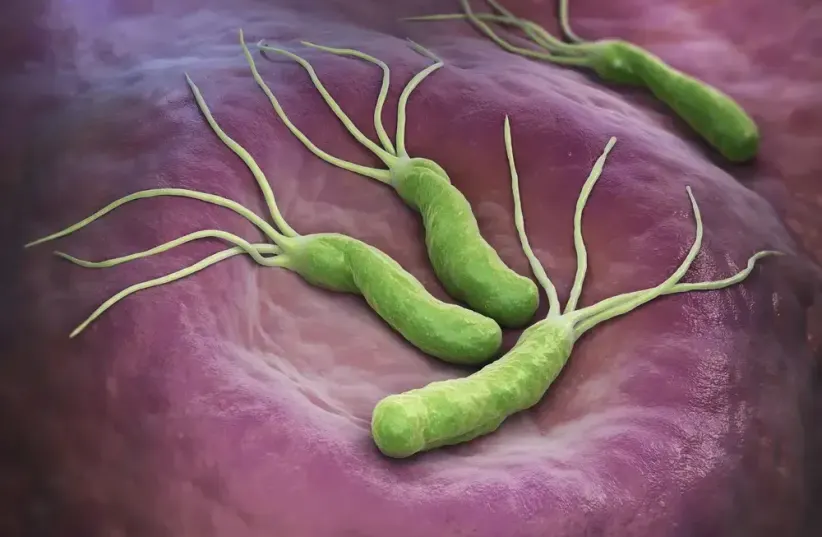
The composition of microbiota found in the gut influences how susceptible mice are to respiratory virus infections and the severity of these infections, according to researchers from the Center for Translational Antiviral Research in the Institute for Biomedical Sciences at Georgia State University.

The findings, published in the journal Cell Host & Microbe, report that segmented filamentous bacteria, a bacterial species found in the intestines, protected mice against influenza virus infection when these bacteria were either naturally acquired or administered.

This protection against infection also applied to respiratory syncytial virus (RSV) and severe acute respiratory syndrome coronavirus 2 (SARS-CoV-2), the virus that causes COVID-19. To maintain this protection, the study noted that segmented filamentous bacteria required immune cells in the lungs called basally resident alveolar macrophages.

In this study, the researchers investigated how differences in specific microbial species can impact outcomes of respiratory virus infections and how they might do so, which hasn't been well defined previously. They studied mice with discrete microbiome differences and mice differing in only the presence or absence of segmented filamentous bacteria. Viral titers in the lung were measured several days after infection and varied significantly depending on the nature of the microbiome of the different animal groups.

"These findings uncover complex interactions that mechanistically link the intestinal microbiota with the functionality of basally resident alveolar macrophages and severity of respiratory virus infection," said Dr. Andrew Gewirtz, co-senior author of the study and Regents' Professor in the Institute for Biomedical Sciences at Georgia State.

The study found that in segmented filamentous bacteria-negative mice, basally resident alveolar macrophages were quickly depleted as respiratory virus infection progressed. However, in segmented filamentous bacteria-colonized mice, basally resident alveolar macrophages were altered to resist influenza virus infection depletion and inflammatory signaling.

The basally resident alveolar macrophages disabled influenza virus, in large part by activating a component of the immune system referred to as the complement system.

"We find it remarkable that the presence of a single common commensal bacterial species, amidst the thousands of different microbial species that inhabit the mouse gut, had such strong impacts in respiratory virus infection models and that such impacts were largely attributable to reprogramming of basally resident alveolar macrophages," said Dr. Richard Plemper, co-senior author of the study, Regents' Professor and director of the Center for Translational Antiviral Research at Georgia State.


Recommend this post and follow
The Life of Earth

Discovery Points to a 'Sewage System' For The Brain Right Behind Our Nose

31 Jan. 2024, By C. CASSELLA

The nasopharyngeal lymphatic plexus. 
(Yoon et al., Nature, 2024)


Scientists have discovered a 'secret passageway' in mice that connects the brain to the body's lymphatic system.

The network of vessels appears to form an overlooked brain drainage system that plays a crucial role in maintaining the health and function of the central nervous system.

If the findings extend to humans, it could fundamentally change how scientists understand the circulation of fluid that bathes the brain and spinal cord.

Cerebrospinal fluid (CSF) is a colorless liquid that carries nutrients to the central nervous system, maintains fluid balance, and clears away waste products from brain tissue.

In humans, CSF is drained and replaced constantly, turning over three to five times a day. That clearance can slow with age, it is correlated with sleep quality and cognitive function.

Knowing how the CSF circulates is essential to our knowledge of human health and disease, and yet we still don't really know where all that fluid goes when our brains are done with it. For decades, experts believed CSF drained through special veins that surround the brain and spinal cord, and yet recent data suggests that notion is wrong.

CSF might not drain through the vascular system at all, but through the body's lymph nodes.

A new study, led by researchers at South Korea's Institute for Basic Science and the University of Missouri in the United States, has identified a previously unknown thoroughfare that carries CSF from the brain to lymph nodes in the neck.

According to the international team of researchers, a distinctive network of lymphatic vessels lies near the top part of the throat in mice, just behind their nose, that has never been clearly identified before.

By inserting fluorescent markers into rodent brain tissue and the brains of living mice, the researchers mapped a network called the nasopharyngeal lymphatic plexus, showing it is a major hub for the drainage of CSF.

The findings confirm previous brain imaging data, collected in 2022, that found CSF in mice drained through lymphatics located in the nasopharnyx.

In a review for Nature, University of Bern physiologists Irene Spera and Steven Proulx applaud the recent discovery. As authors of studies suggesting the possibility of such a 'secret passage', they say the results provide "indisputable evidence that, at least in mice, the nasopharyngeal lymphatic plexus has a crucial involvement in CNS clearance."

"This plexus, beautifully rendered in three dimensions… is composed of a dense network of lymphatic vessels that wraps around the circumference of the nasopharynx," Spera and Proulx write.

Schematic view of a mouse skull showing the dense plexus of lymphatic vessels (green) surrounding the nasopharynx, as well as downstream collecting lymphatic vessels that lead to lymph nodes in the neck. 

Even more promising, this lymphatic plexus is not just present in mice. Lead researchers Jin-Hui Yoon, Hokyung Jin, and Hae Jin Kim also examined the brains of crab-eating macaques and found a similar structure in the exact same spot.

Although the team didn't get to see the vessels draining in action like they did in mice, the findings among primates suggest this pathway is conserved across diverse mammalian species.

"This discovery could have significant implications for understanding and treating conditions related to impaired CSF drainage," says Jin, who hails from the Institute for Basic Science and the Korea Advanced Institute of Science and Technology (KAIST).

In human neurodegenerative disorders, like Alzheimer's disease, for instance, waste products like tau or amyloid beta often build up in the brain.

CSF circulation could be tied to that outcome.

In mice, researchers found the nasopharyngeal lymphatic plexus shrinks with age and is not able to clear as much CSF. When the team stimulated these run-down vessels with a growth factor protein, they were able to improve their fluid draining function, possibly indicating a target for neurodegenerative treatment.

Among humans, some recent evidence does suggest that CSF can drain into the nasal cavity at the top of the throat via cranial nerves.

That said, not all scientists are convinced. It is still not clear how CSF drains from the nasal cavity to lymph nodes in the neck.

Jin and his colleagues have detailed the most convincing explanation to date, with two sets of lymphatic vessels draining CSF to deep cervical lymph nodes in mice.

Based on the results from rodents and monkeys, the team suspects the human plexus could look like the image below, if it exists at all.

The suspected structure of the human nasopharyngeal lymphatic plexus, based on findings in mice and monkeys. 

"We plan to verify all the findings from the mice in primates, including monkeys and humans," says supervisor Gou Young Koh from the Institute for Basic Science.


"We aim to investigate in a reliable animal model whether activating the cervical lymphatic vessels through pharmacological or mechanical means can prevent the exacerbation of Alzheimer's disease progression by improving CSF clearance."


Recommend this post and follow
The Life of Earth

Study finds tomato juice's antimicrobial properties can kill Salmonella

Jan. 30, 2024, by American Society for Microbiology

Credit: Pixabay/CC0 Public Domain


Tomato juice can kill Salmonella Typhi and other bacteria that can harm people's digestive and urinary tract health, according to research published in Microbiology Spectrum. S. Typhi is a deadly human-specific pathogen that causes typhoid fever.

"Our main goal in this study was to find out if tomato and tomato juice can kill enteric pathogens, including S. Typhi, and if so, what qualities they have that make them work," said principal study investigator Jeongmin Song, Ph.D., Associate Professor, Department of Microbiology & Immunology, Cornell University.

First, the researchers, in laboratory experiments, checked to see if tomato juice really does kill Salmonella Typhi. Once they ascertained it did, the team looked at the tomato's genome to find the antimicrobial peptides that were involved. Antimicrobial peptides are very small proteins that impair the bacterial membrane.

The researchers chose four possible antimicrobial peptides and tested how well they worked against S. Typhi. This helped them find two antimicrobial peptides effective against S. Typhi.

The research team conducted more tests on S. Typhi variants that appear in places where the disease is common. They also did a computer study to learn more about how the antibacterial peptides kill S. Typhi and other enteric pathogens. Lastly, they looked at how well tomato juice worked against other enteric pathogens that can hurt people's digestive and urinary tract health.

The most significant discovery is that tomato juice is effective in eliminating S. Typhi, its hypervirulent variants, and other bacteria that can harm people's digestive and urinary tract health. In particular, two antimicrobial peptides can eliminate these pathogens by impairing the bacterial membrane, a protective layer that surrounds the pathogen.

"Our research shows that tomato and tomato juice can get rid of enteric bacteria like Salmonella," Song said.

The researchers said they hope that when the general public, particularly children and teenagers, learns about the outcome of the study, they will want to eat and drink more tomatoes as well as other fruits and vegetables, because they provide natural antibacterial benefits to consumers.


Recommend this post and follow
The Life of Earth

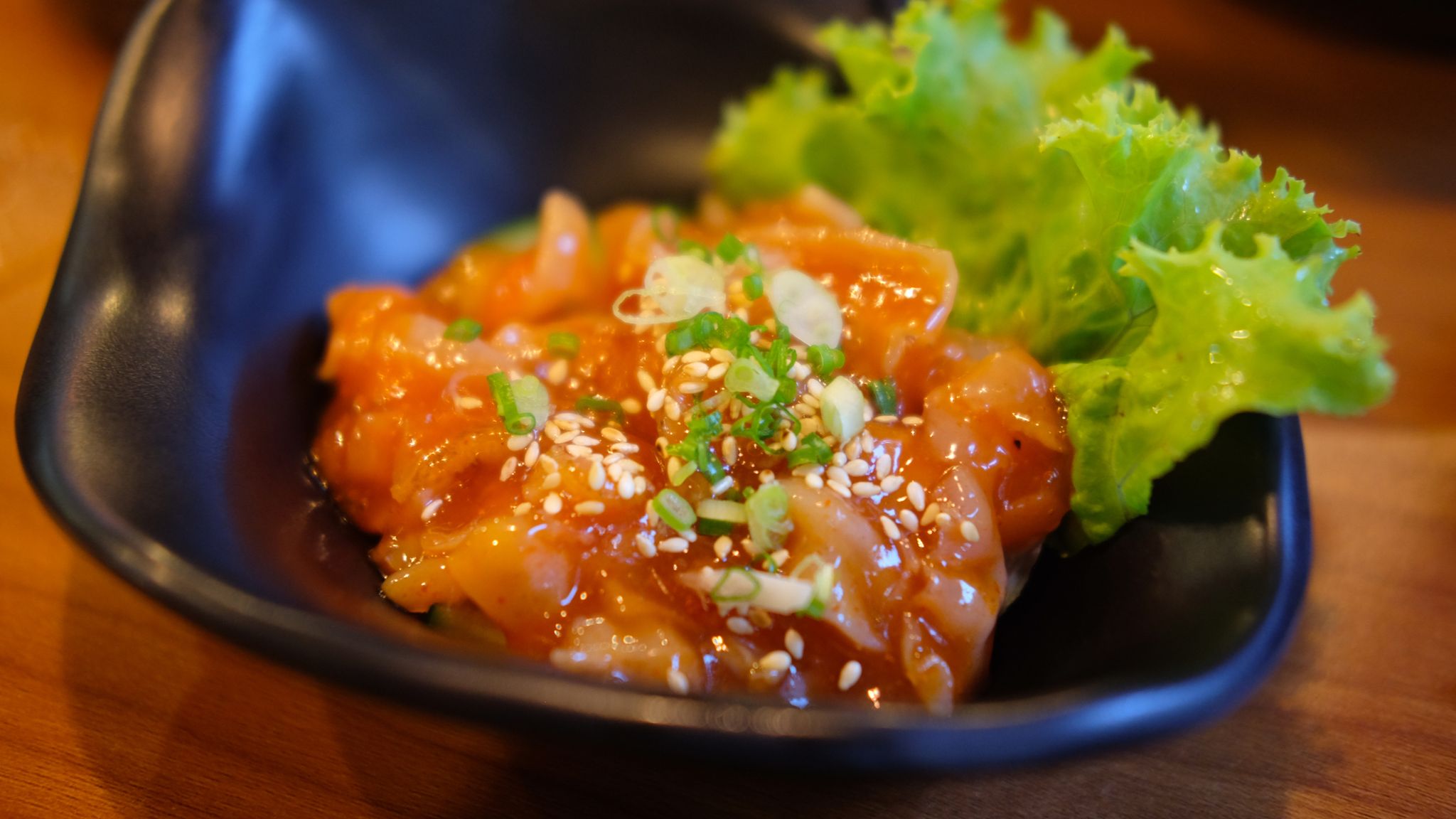
Health and Welfare News: Eating kimchi every day may prevent weight gain, research suggests


Eating kimchi every day may prevent weight gain, research suggests


The Korean fermented cabbage and vegetable dish has been growing in popularity after studies suggested it may improve levels of beneficial bacteria in the gut.


Sky News,  Tuesday 30 January 2024

                                                        Kimchi Scallop - Pic: iStock


Eating kimchi every day could help people combat weight gain, research suggests.

The Korean fermented cabbage and vegetable dish has been growing in popularity after studies suggested it may improve levels of beneficial bacteria in the gut.

Now a new study has found cabbage kimchi may lower men's risk of obesity, while kimchi made with radishes could help both men and women fight excess pounds.

The research, published in the journal BMJ Open, examined data from 115,726 people aged 40 to 69 in Korea who were asked about their consumption of kimchi via food questionnaires.

Men with a total intake of one to three servings per day had an 11-12% lower risk of obesity when compared to men who ate less than one serving per day.

Meanwhile, those men with a higher intake of cabbage kimchi (up to three servings a day) had 10% lower odds of obesity and excess fat round their stomach and abdomen.

The risk was 8% lower in women for this type of kimchi.

Men and women who ate radish kimchi had around a 9% reduced risk of fat around the middle and abdomen.

The experts said there appeared to be no real benefit to eating more than three servings a day, suggesting people who ate more than three servings of kimchi tended to also eat more of other foods and were more likely to be obese.

Kimchi is made in different ways but typically includes vegetables such as cabbage, radish and onion, plus spices such as red pepper powder, garlic and ginger.

Previous studies have suggested "good" bacteria in fermented foods such as kimchi are good for the gut and can have an effect on weight.

The researchers noted concerns about the salt in kimchi, saying "as kimchi is one of the major sources of sodium intake, a moderate amount should be recommended for the health benefits of its other components".


Tuesday, 30 January 2024

'Obelisks': Entirely New Class of Life Has Been Found in The Human Digestive System

29 Jan. 2024, ByT. KOUMOUNDOUROS

Scanning electron micrograph of human microbiome sample.
  (Science Photo Library/Canva)


Peering into the jungle of microbes that live within us, researchers have stumbled across what seem to be an entire new class of virus-like objects.

"It's insane," says University of North Carolina cell biologist Mark Peifer, who was not involved in the study, told Elizabeth Pennisi at Science Magazine. "The more we look, the more crazy things we see."

These mysterious bits of genetic material have no detectable sequences or even structural similarities known to any other biological agents.

So Stanford University biologist Ivan Zheludev and colleagues argue their strange discovery may not be viruses at all, but instead an entirely new group of entities that may help bridge the ancient gap between the simplest genetic molecules and more complex viruses.

"Obelisks comprise a class of diverse RNAs that have colonized, and gone unnoticed in, human, and global microbiomes," the researchers write in a preprint paper.

Named after the highly-symmetrical, rod-like structures formed by its twisted lengths of RNA, the Obelisks' genetic sequences are only around 1,000 characters (nucleotides) in size. In fact, this brevity is likely one of the reasons we've failed to notice them previously.

In a study that has yet to be peer reviewed, Zheludev and team searched 5.4 million datasets of published genetic sequences and identified almost 30,000 different Obelisks. They appeared in about 10 percent of the human microbiomes the team examined.

In one set of data, Obelisks turned up in 50 percent of the patients' oral samples. What's more, different types of Obelisks appear to be present in different areas of our bodies.

"[This] supports the notion that Obelisks might include colonists of said human microbiomes," the researchers explain.

They managed to isolate one type of host cell from our microbiome, the bacterium Streptococcus sanguinis – a common human mouth microbe. The Obelisk in these microbes had a loop 1,137 nucleotides long.

"While we don't know the 'hosts' of other Obelisks," write Zheludev and colleagues. "it is reasonable to assume that at least a fraction may be present in bacteria."

The question of the Obelisks' source aside, all seem to include codes for a new class of protein the researchers have named Oblins.

Instructions for building these proteins seem to take up at least half of the Obelisks' genetic material. As these proteins are so similar across all the Obelisks, researchers suspect they may be involved in the entity's replication process.

This ability to code for proteins makes them different from other known RNA loops called viroids, but they also don't seem to have the genes to make protein shells that RNA viruses (including COVID-19) live within when they're outside of cells.

They're also significantly larger than other genetic molecules that coexist inside cells, from plants to bacteria, called plasmids, which are more commonly composed of DNA.

However, Zheludev and team couldn't identify any impact of the Obelisks on their bacterial hosts, or a means by which they could spread between cells.

"These elements might not even be 'viral' in nature and might more closely resemble 'RNA plasmids,'" they conclude.


Recommend this post and follow
The Life of Earth

Link found between cold snaps during Roman Empire era and pandemics

Jan. 29, 2024, ** REPORT**, by Bob Yirka , Phys.org

Schematic drawing of the relationship between climatic change and sociological, physical, and biological factors influencing infectious disease outbreaks.
 Credit: Science Advances (2024). DOI: 10.1126/sciadv.adk1033

A team of geoscientists, Earth scientists and environmental scientists affiliated with several institutions in Germany, the U.S. and the Netherlands has found a link between cold snaps and pandemics during the Roman Empire.

In their project, reported in the journal Science Advances, the group studied core samples taken from the seabed in the Gulf of Taranto and compared them with historical records.

Researchers learn about climatic conditions in the distant past by analyzing sediment built up from river deposits. Tiny organisms that are sensitive to temperature, for example, respond differently to warm temperatures than to cold temperatures and often wind up in such sediment. Thus, the study of organic remains in sediment layers can reveal details of temperatures over a period of time.

In this new effort, the researchers took advantage of such knowledge by collecting core samples from the Gulf of Taranto—the gulf that gives Italy the sole of its boot shape. Core samples from the site reveal details of the history of the area going back to the time of the Roman Empire.

Using the core samples, the research team was able to study the population density of dinoflagellates, tiny creatures that are more numerous when it is cold. By noting such density levels and dating them using other material in the same sediment layers, the team was able to pinpoint cold snaps during the period 200 B.C. to 600 A.D., which coincided with the latter years of the Roman Empire.

The research team created a timeline showing when cold snaps occurred and added known pandemics to the same timeline, finding that many of them overlapped.

The researchers suggest that cold snaps could have led to weakened immune systems due directly to the chill or because people in the area had less to eat when crops did not grow as well. It is also possible diseases could have spread more easily as people kept closer to one another to share their warmth.


Recommend this post and follow
The Life of Earth

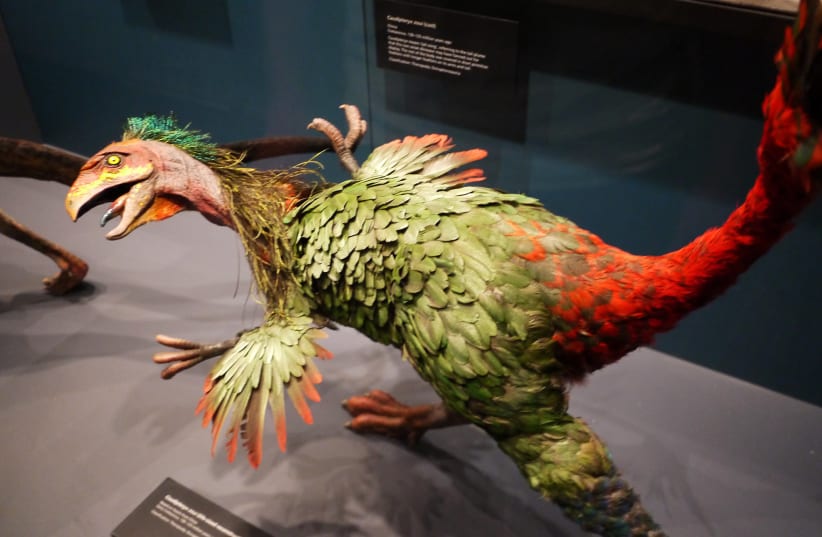
Dinosaur News: Small dinosaurs flapped their feathers to scare prey and catch a meal


Small dinosaurs flapped their feathers to scare prey and catch a meal


Most dinos died out about 66 million years ago, but but we’re still learning new things about them on a regular basis.


Monday, 29 January 2024

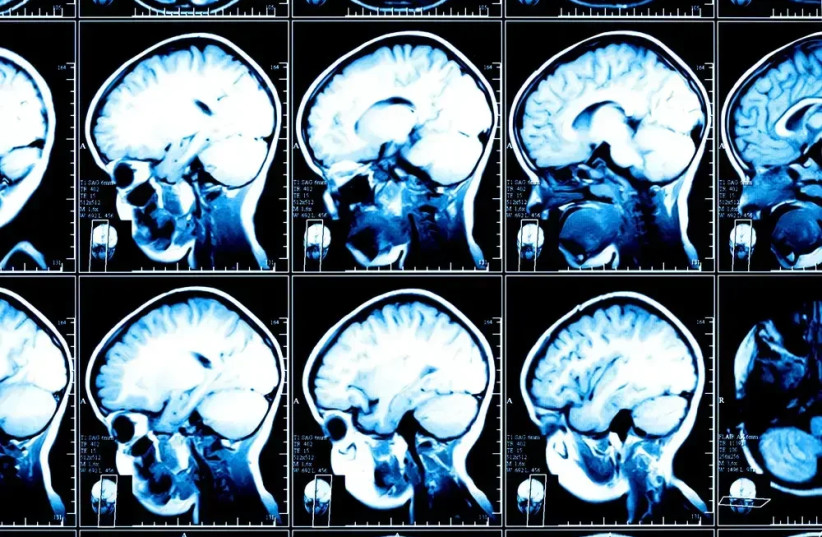
Health and Welfare News: Study reveals connection between gut bacteria and Alzheimer's


Study reveals connection between gut bacteria and Alzheimer's


Gut microbiota influences behavior, health, and potentially even dementia – new research reveals its significance.


Something Strange Happens to Wolves Infected by Infamous Mind-Altering Parasite

28 Jan. 2024, By M. STARR

Wolf in Yellowstone National Park. 
(JudiLen/Getty Images)

A study of 26 years' worth of wolf behavioral data, and an analysis of the blood of 229 wolves, has shown that infection with the parasite Toxoplasma gondii makes wolves 46 times more likely to become a pack leader.

The research shows that the effects of this parasite in the wild have been horrendously understudied – and its role in ecosystems and animal behavior underestimated.

If you have a cat, you've probably heard of this parasite before. The microscopic organism can only sexually reproduce in the bodies of felines, but it can infect and thrive in pretty much all warm-blooded animals.

This includes humans, where it can cause a typically symptomless (but still potentially fatal) parasitic disease called toxoplasmosis.

Once it's in another host, individual T. gondii parasites needs to find a way to get their offspring back inside a cat if it doesn't want to become an evolutionary dead-end. And it has a kind of creepy way of maximizing its chances.

Animals such as rats infected with the parasite start taking more risks, and in some cases actually become fatally attracted to the scent of feline urine, and thus more likely to be killed by them.

For larger animals, such as chimpanzees, it means an increased risk of a run-in with a larger cat, such as a leopard. Hyenas infected with T. gondii also are more likely to be killed by lions.

Gray wolves (Canis lupus) in the Yellowstone National Park aren't exactly cat prey. But sometimes their territory overlaps with that of cougars (Puma concolor), known carriers of T. gondii, and the two species both prey on the elk (Cervus canadensis), bison (Bison bison), and mule deer (Odocoileus hemionus) that also can be found there.

It's possible that wolves also become infected, perhaps from occasionally eating dead cougars, or ingesting cougar poo.

Diagram showing the hypothesized wolf-cougar-T. gondii feedback loop. 
(Meyer, Cassidy et al., Communications Biology, 2022)

Data collected on the wolves and their behavior for nearly 27 years offered a rare opportunity to study the effects of the parasite on a wild, intermediate host.

The researchers, led by biologists Connor Meyer and Kira Cassidy of the Yellowstone Wolf Project, also took a look at blood samples from wolves and cougars to gauge the rate of T. gondii infection.

They found that wolves with a lot of territory overlap with cougars were more likely to be infected with T. gondii.

But there was a behavioral consequence, too, with significantly increased risk-taking.

Infected wolves were 11 times more likely to disperse from their pack, into new territory. Infected males had a 50 percent probability of leaving their pack within six months, compared with a more typical 21 months for the uninfected.

Similarly, infected females had 25 percent chance of leaving their pack within 30 months, compared with 48 months for those who weren't infected.

Infected wolves were also way more likely to become pack leaders. T. gondii may increase testosterone levels, which could in turn lead to heightened aggression and dominance, which are traits that would help a wolf assert itself as a pack leader.

This has a couple of important consequences. Pack leaders are the ones who reproduce, and T. gondii transmission can be congenital, passed from mother to offspring. But it can also affect the dynamics of the entire pack.

https://youtu.be/XSN_rXwqnNU?si=cSTv3kV6KUvU7DZg

"Due to the group-living structure of the gray wolf pack, the pack leaders have a disproportionate influence on their pack mates and on group decisions," the researchers write in their paper.

"If the lead wolves are infected with T. gondii and show behavioral changes … this may create a dynamic whereby behavior, triggered by the parasite in one wolf, influences the rest of the wolves in the pack."

If, for example, the pack leader seeks out the scent of cougar pee as they boldly push into new territory, they could face greater exposure to the parasite, thus a greater rate of T. gondii infection throughout the wolf population. This generates a sort of feedback loop of increased overlap and infection.

It's compelling evidence that tiny, understudied agents can have a huge influence on ecosystem dynamics.

"This study demonstrates how community-level interactions can affect individual behavior and could potentially scale up to group-level decision-making, population biology, and community ecology," the researchers write.

"Incorporating the implications of parasite infections into future wildlife research is vital to understanding the impacts of parasites on individuals, groups, populations, and ecosystem processes."


Recommend this post and follow
The Life of Earth

Chuck's picture corner Jan. 29, 2024 😎🌞🐓

Still no fashion corner, more pics from around town the last week or so.

siesta time

daisies

the back yard from the main house

along the creek

Todd playing on our first open mike night, our one house over vacationer friend

the full moon open mike night the beginning of our pub crawl

one of my favorite plants as a youth, Mexican hat plant


a impression on the back road


the fish are in and the pelicans are diving


just down our street while walking to the cafe


a couple of players at our second open mike night a couple of block over

Todd again with Mari his wife in the forground with her back to us.

on main street, in front of the grocery store.

These guys flash a lot of yellow as they fly up, which is hidden when landed.


Enjoy this post and follow
The Life of Earth