Tuesday, 28 February 2023

Science News: Biomass of humans and cattle dwarfs that of wild mammals


Biomass of humans and cattle dwarfs that of wild mammals


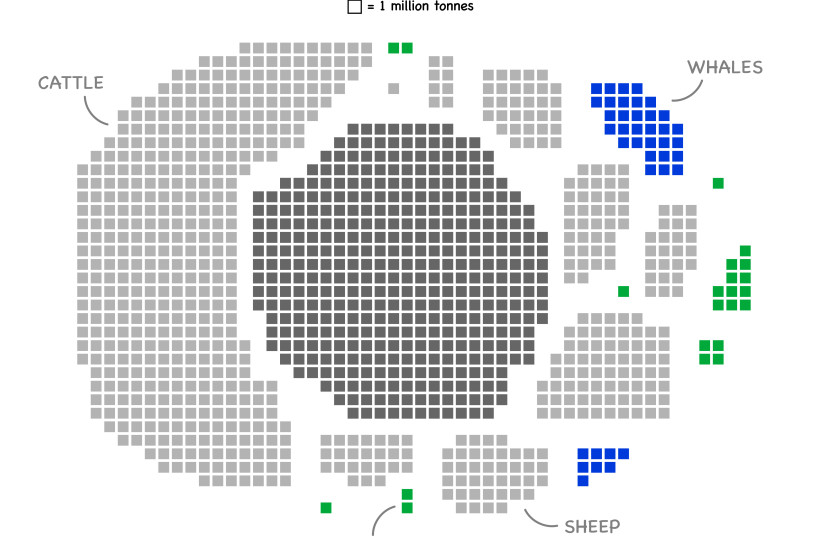
Wild land mammals weigh less than 10% of the combined weight of humans and are outweighed by cattle and other domesticated mammals by a factor of 30.

Stunning Aurora Over Wales As Coronal Mass Ejection Arrives at Earth

By EUROPEAN SPACE AGENCY (ESA) FEBRUARY 27, 2023

On the evening of 26 February 2023, a Coronal Mass Ejection (CME) arrived at Earth just as a high-speed solar wind stream whipped through the space environment around our planet. 
Credit: © Hanna Baguley – Used with permission. Instagram: @hannabaguleyphotography

On the evening of Sunday, February 26, 2023, a Coronal Mass Ejection (CME) arrived at Earth just as a high-speed solar wind stream whipped through the space environment around our planet.

The combination of these two solar events caused a moderate geomagnetic storm that produced a stunning aurora visible as far south as southern England and central Germany.

This image was captured by photographer Hanna Baguley on the Isle of Anglesey (Ynys Môn), North Wales, UK.

The conditions are expected to continue, with further auroral activity foreseen for tonight, February 27.

The future ESA Vigil mission will provide a first-of-its-kind capability: monitoring the Sun to provide constant, near real-time data on potentially hazardous solar activity. 
Credit: ESA/A. Baker, CC BY-SA 3.0 IGO

The CME was associated with a solar flare that occurred close to midnight (UTC) on February 25. Fortunately, most of it missed us and no serious impacts on infrastructure on Earth have been reported. But what could we do if a CME was heading straight for us?

An early warning is key. ESA’s upcoming Vigil mission will keep an eye on the ‘side’ of the Sun to spot any potentially hazardous solar activity before it rotates into view from Earth. The mission will give us advance warning of oncoming solar storms and therefore more time to protect spacecraft in orbit, infrastructure on the ground, and explorers now and in the future, unshielded by Earth’s magnetic field and vulnerable to our star’s violent outbursts.

You can track space weather events such as today’s aurora and follow the latest developments, find the latest data, and see a forecast of possible future auroral activity on ESA’s SWE Service Portal.


Recommend this post and follow
The Life of Earth

New Type of Symbiotic Relationship Discovered Between Algae and Fungi

By INST. OF BOTANY, THE CZECH ACAD. OF SCIENCES, FEB. 28, 2023

Alcobioses are common in urban areas, too. Lyomyces sambuci, pictured here, is abundant on elder bark. 
Credit: Institute of Botany, Czech Academy of Sciences

Researchers from the Institute of Botany, Czech Academy of Sciences, described the symbiotic relationship between fungi and algae which science has largely overlooked until now. The coexistence of algae and corticioid basidiomycetes, which are common in temperate forests, has been given a new name: alcobiosis.

Jan Vondrák of the Department of Taxonomy, Institute of Botany, and the first author of the study says “Years ago, during field trips, we were repeatedly puzzled to find a layer of green algae where some of the fungal coatings on wood or bark (so-called corticioid fungi) are disturbed. We discovered that this is a close symbiosis of fungi and algae, not a lichen, though, because the fungus does not depend on its alga for nourishment.“

Researchers introduced a new term for this type of coexistence: alcobiosis, formed by letters from the three key words: algae, corticioid fungi and symbiosis.


Once the fungus coating is disturbed, a green layer of algae appears.
 Credit: Institute of Botany, Czech Academy of Sciences


In the course of several years, the team of researchers gathered a large number of samples and performed DNA sequencing of the algal and fungal partners. They discovered that the symbiosis is very common and occurs in a great many corticioid fungi across the class of agaricomycetes. Individual fungal species are usualy faithful to a specific algal species from a range of algae described in various alcobises.

Ensuing physiological measurements of algal activity in alcobioses confirmed that the algae are alive, active and engage heavily in photosynthesis, which proves that they prosper inside fungal tissue. Alcobioses bear a striking resemblance to lichens, but differ from them in that the fungal partner does not depend on its alga for nourishment.


Cross-section of alcobiosis in a light microscope (where the algal chlorophyll is green) and a fluorescence microscope (where the chlorophyll is red due to autoflorescence). 
Credit: Institute of Botany, Czech Academy of Sciences


“And so the main unknown still is in what way this symbiosis is beneficial for each of the partners. However, our discovery also brings many questions related to geographic, ecological and taxonomic parameters of the symbiosis, such as whether alcobioses diversity increases from polar to tropical regions,“ Jan Vondrák comments on the team´s discovery and adds: “This coexistence has been mentioned in articles before. Most often, though, these were just fragmentary comments that such and such species of corticioid fungus is often found together with algae. We were the first to graps alcobioses as a widespread phenomenon which includes a large number of algae and fungi.“

During their research, the authors also discovered that the spread of alcobioses is aided by small gastropods who often feed on corticioid fungi. Their excrements contain viable cells of algae and fungi who give rise to new alcobiotic coating shortly after. This type of reproduction is similar to lichen “isidia“ (i.e., specific lichen thallus structures used in vegetative reproduction).

Scientists at the Institute of Botany have described a symbiotic relationship that is very common in Europe, but which has so far escaped attention, despite the fact that many generations of naturalists have come and gone in Europe. In this way a new space has opened for the further study of alcobioses from various points of view by both professional biologists and biology enthusiasts. For alcobioses are clearly visible to the naked eye and it is easy to distinguish them from similar fungi which do not form this kind of relationship.


Recommend this post and follow 
The Life of Earth

500,000-Year-Old Signs of Extinct Human Species Found in Poland Cave

28 February 2023, By MICHELLE STARR

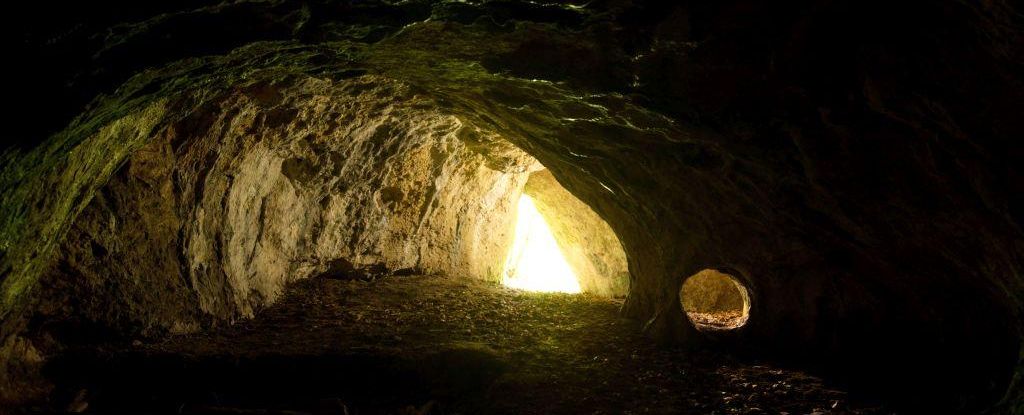
The entrance to Tunel Wielki cave.
  (Miron Bogacki/University of Warsaw)

Prehistoric stone tools found in a cave in Poland 50 years ago were recently identified as some of the oldest ever discovered in the region.

The tools from the Tunel Wielki cave in Małopolska are between 450,000 and 550,000 years old. This dating may allow scientists to learn more about the humans who made them, and their migration and habitation in Central Europe across prehistory.

For example, the timeframe likely means that the tools were made by extinct human species Homo heidelbergensis, usually considered the last common ancestor of Neanderthals and modern humans (us). And it means the region was inhabited by humans at a time that Central Europe's harsh climate would have required significant physical and cultural adjustment.

"This is an extremely interesting aspect of analyses for us," archaeologist Małgorzata Kot of the University of Warsaw in Poland explained to Science in Poland back in October 2022 when the research was released.

"We can examine the limits of the possibilities of survival of Homo heidelbergensis, and thus observe how he adapted to these adverse conditions."

Tunel Wielki cave was excavated in the 1960s, with archaeologists returning again to the site in 2016. Layers of material were dated to the Holocone, dating back to around 11,700 years ago, and the Middle Paleolithic, stretching as far as 40,000 years ago.

But archaeologist Claudio Berto of the University of Warsaw thought the dating was at odds with what he was observing. Animal bones recovered from the site, he concluded, were almost certainly older than 40,000 years.

So, in 2018, Kot and her team returned to the cave. They reopened and extended one of the trenches, carefully examining the different layers of material accumulated over the years, and collecting more bone material to analyze.

They found that the upper layers did indeed contain the bones of animals that lived in the Late Pleistocene and the Holocene. But the bottom layer was distinctly older. It contained the bones of several species that lived half a million years ago: the European jaguar, Panthera gombaszoegensis; the Mosbach wolf, ancestor to modern gray wolves, Canis mosbachensis; and Deninger's bear, Ursus deningeri.

The layer that yielded the bones also contained evidence of flint knapping, including flint flakes, the "blanks" from which other tools can be shaped, and the cores from which they are struck. There were also some finished tools, such as knives.

"Since these items come from the same layer as the bones, it means that their age is very similar," Kot explained. "This assumption was confirmed by excavations carried out in the cave in 2018. They confirmed the arrangement of layers described by researchers half a century ago. We also discovered more production waste and animal bones."

Previously, she added, there were only two known sites in Poland with tools from around the same time period: Trzebnica and Rusko. But the Tunel Wielki cave artifacts are different. Several archaeological sites in the area show evidence of ancient human habitation – but they are all open-air sites.

To find artifacts dating from that time in a cave is, according to Kot, very unexpected.

"We were surprised that half a million years ago people in this area stayed in caves, because those were not the best places to camp," she noted.

"Moisture and low temperature would discourage that. On the other hand, a cave is a natural shelter. It is a closed space that gives a sense of security. We found traces that may indicate that the people who stayed there used fire, which probably helped tame these dark and moist places."

Also of interest was the technique used to knap the flint found in the cave. This technique is the simplest used by ancient humans, and, at the time the tools were created, rarely used as a primary mode; usually, it was only used on poor-quality materials, or when flint was in short supply.

Only one other site, Isernia La Pineta in Italy, was using the technique as the primary one. The Tunel Wielki flint was not poor quality, nor was it scarce, being locally obtained. This was also the case for Isernia La Pineta; finding a second site with the same characteristics might help archaeologists work out the reason these ancient humans used that specific technique.

The team hopes to return to the cave to search for bones of Homo heidelbergensis.


Recommend this post and follow
The birth of modern Man

Monday, 27 February 2023

Science News: Israeli scientists discover mechanism for scallops to camouflage eyes


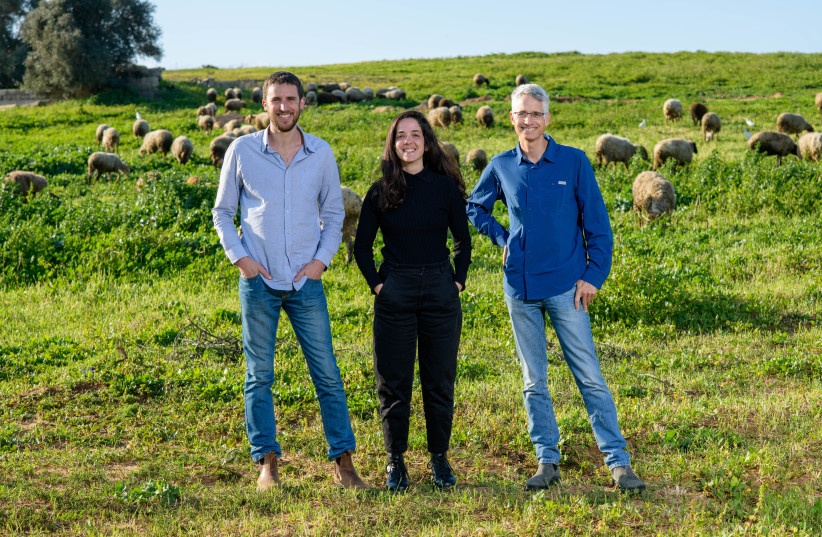
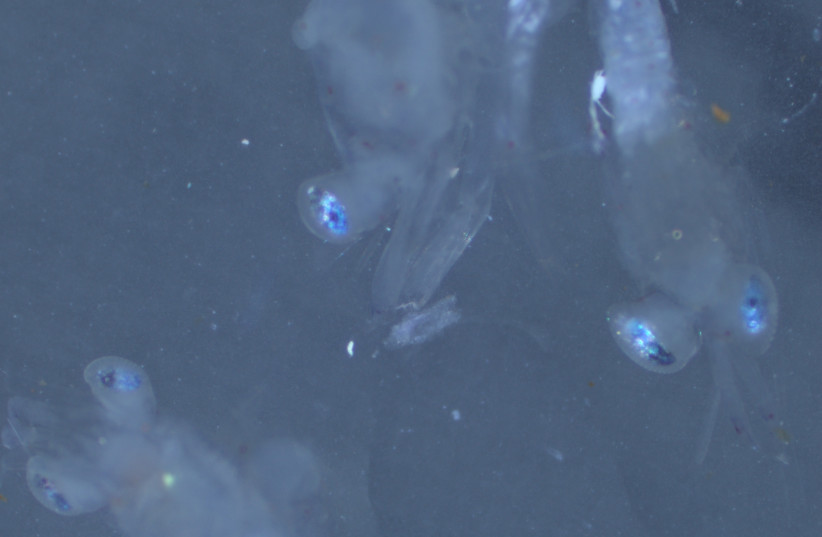
Israeli scientists discover mechanism for scallops to camouflage eyes


Oysters, mussels and clams have a mechanism that makes the color of their eyes camouflage to match the color of the water they're in.


Disturbances in the Earth’s Magnetic Field Could Lead Migrating Birds Astray

By U. OF CALIFORNIA - LOS ANGELES FEBRUARY 26, 2023


Every year, millions of birds undertake incredible journeys, often covering thousands of miles, to reach their seasonal habitats. This annual migration is driven by changes in food availability, weather patterns, and the need to breed.

The UCLA study has the potential to enhance scientists’ understanding of the dangers faced by birds and their capacity for adaptation.

It is widely understood that adverse weather conditions can disorient birds during their fall migrations, leading them to end up in unfamiliar territory. But why, even when the weather is not a major factor, do birds travel far away from their usual routes?

According to a recent paper by ecologists at the University of California, Los Angeles (UCLA), disturbances in the Earth’s magnetic field may cause birds to stray from their migration paths, a phenomenon known as “vagrancy.” This can occur even in ideal weather conditions and is particularly prevalent during fall migration. The findings were recently published in the journal Scientific Reports.

With North America’s bird populations steadily declining, assessing the causes of vagrancy could help scientists better understand the threats birds face and the ways they adapt to those threats. For example, birds that wind up in unfamiliar territory are likely to face challenges finding food and habitats that suit them, and may die as a result. But it also could be beneficial for birds whose traditional homes are becoming uninhabitable due to climate change, by “accidentally” introducing the animals into geographic regions that are now better suited for them.

Earth’s magnetic field, which runs between the North and South Poles, is generated by several factors, both above and below the planet’s surface. Decades’ worth of lab research suggests that birds can sense magnetic fields using magnetoreceptors in their eyes. The new UCLA study lends support to those findings from an ecological perspective.

“There’s increasing evidence that birds can actually see geomagnetic fields,” said Morgan Tingley, the paper’s corresponding author and a UCLA associate professor of ecology and evolutionary biology. “In familiar areas, birds may navigate by geography, but in some situations, it’s easier to use geomagnetism.”

But birds’ ability to navigate using geomagnetic fields can be impaired when those magnetic fields are disturbed. Such disturbances can come from the sun’s magnetic field, for example, particularly during periods of heightened solar activity, such as sunspots and solar flares, but also from other sources.

“If the geomagnetic field experiences disturbance, it’s like using a distorted map that sends the birds off course,” Tingley said.

Lead researcher Benjamin Tonelli, a UCLA doctoral student, worked with Tingley and postdoctoral researcher Casey Youngflesh to compare data from 2.2 million birds, representing 152 species, that had been captured and released between 1960 and 2019 — part of a United States Geological Survey tracking program — against historic records of geomagnetic disturbances and solar activity.

While other factors such as weather likely play bigger roles in causing vagrancy, the researchers found a strong correlation between birds that were captured far outside of their expected range and the geomagnetic disturbances that occurred during both fall and spring migrations. But the relationship was particularly pronounced during the fall migration, the authors noted.

Geomagnetic disturbances affected the navigation of both young birds and their elders, suggesting that birds rely similarly on geomagnetism regardless of their level of migration experience.

The researchers had expected that geomagnetic disturbances associated with heightened solar activity would be associated with the most vagrancy. To their surprise, solar activity actually reduced the incidence of vagrancy. One possible reason is that radiofrequency activity generated by the solar disturbances could make birds’ magnetoreceptors unusable, leaving birds to navigate by other cues instead.

“We think the combination of high solar activity and geomagnetic disturbance leads to either a pause in migration or a switch to other cues during fall migration,” Tonelli said. “Interestingly, birds that migrate during the day were generally exceptions to this rule — they were more affected by solar activity.”

Although the researchers only studied birds, their methods and findings could help scientists understand why other migratory species, including whales, become disoriented or stranded far from their usual territory.

“This research was actually inspired by whale strandings, and we hope our work will help other scientists who study animal navigation,” Tingley said.

To make the research more accessible to the birdwatching public, Tonelli developed a web-based tool that tracks geomagnetic conditions and predicts vagrancy in real-time. The tracker is offline during the winter, but it will go live again in the spring, when migration begins again.


Recommend this post and follow
The Life of Earth

Our Genomes Are Full of 'Junk DNA' That Could Be Way More Important Than We Realized

27 February 2023, By FELICITY NELSON

(Adam Gault/Getty Images)

Of the roughly three billion base pairs making up the human genome, only around 2 percent encodes proteins, leaving the remaining 98 percent with less obvious functions.

Dismissed by some as useless 'junk DNA', its origins, effects, and potential purpose in the evolution of life has attracted the attention of biologists ever since it was first noticed cluttering up our chromosomes in the 1960s.

Now researchers from Tel Aviv University in Israel have added some vital insights into the reasons why non-coding DNA persists, which could help us better understand the rich variety of genome sizes across the living world.

In 1977, two scientists named Richard Roberts and Phil Sharp independently noticed a good portion of this DNA clutter wasn't just scattered between our genes, but often interrupted them mid-sequence, a discovery that later earned them a Nobel Prize.

Known as introns, they seemed to burden complex cells like ours, while leaving simpler ones – such as those of bacteria – untouched. They also added a lot of labor to the process of translating DNA into something material.

Every time a protein was freshly minted, these interruptions would have to be cut out of the genetic template, requiring the coding instructions to be pieced back together before being interpreted as a protein. An everyday comparison would be having to remove thousands of nonsense words just to read a sentence.


This seemingly wasteful way of operating is necessary throughout nature, with those lucky bacteria and other prokaryotes standing out as exceptions.

The number of introns also happens to differ wildly from species to species; humans have nearly 140,000 introns, rats around 33,000, common fruit flies nearly 38,000, yeast (Saccharomyces cerevisiae) a mere 286, and the unicellular fungus Encephalitozoon cuniculi just 15.

Why hasn't evolution cleaned up this mess through natural selection to make us more efficient organisms?

And why, when genomes have a known natural bias towards deleting instead of adding DNA over time, does 'junk DNA' never seem to get any shorter even after millions of years of evolution?

"Intriguingly, the opposite has supposedly happened, as eukaryotes have larger genomes, longer proteins, and much larger intergenic regions compared to prokaryotes," the scientists behind this latest study into introns write in their recently published report.

The researchers proposed that deleting any intrusive pieces of DNA around coding regions would likely hurt the animal's survival, as coding sections might also be snipped out at the same time.

"Deletions occurring near the borders occasionally protrude to the conserved region and are thereby subject to strong purifying selection," the researchers write.

This "border-induced selection", where a neutral sequence sits between coding regions, would therefore create an insertion bias for short, non-coding DNA sequences.

Essentially, 'junk DNA' acts like a mutational buffer, protecting regions that contain the more sensitive sequences necessary for coding proteins.

The researchers created a mathematical model to show these dynamics in action.

Previously it has been suggested that "deletion bias leads to shrinkage of genomes over evolutionary times," the team explains.

"The counterintuitive result that long neutrally evolving sequences can emerge even under a strong deletion bias is due to the rejection of deletions that invade the highly conserved borders of the neutral sequences."

While their model provides a plausible explanation for the variation in intron lengths within a species, it can't explain why these differ between species.

"One trivial explanation is that the model parameters themselves evolve," they write. "Thus, different species have different insertion-to-deletion rate ratios and, possibly, different propensity for the emergence of conserved regions within introns."

Knowing that there is a bias might help explain the variety of introns that we see in nature, and why some organisms seem more genetically "chaotic" than others.

Just where these interruptions come from in the first place is also an area of ongoing research, with a long history of viruses and outdated genes suggested as sources.

Much it might not even be non-coding after all, tasked with functions we're simply not yet aware of. In recent years, science has increasingly moved away from describing all introns as 'junk DNA' as more possible functions are discovered, including introns being transcribed into strands of RNA that oversee protein production.

What we might think of as junk could, in time, be seen as genetic treasure. It might seem like a complicated way to build an organism, but with several billion years of evolution under its belt, nature seems to know what its doing.


Recommend this post and follow
The Life of Earth

In The Uninhabited Space Between North And South Korea, Rare Plants And Animals Thrive

27 February 2023, By ISOBEL VAN HAGEN, BUSINESS INSIDER

Eurasian otters (Lutra lutra) are living in the DMZ.
(Nakdonggang National Institute of Biological Resources/Google Arts & Culture)

The demilitarized zone (DMZ) between North and South Korea is currently no place for people – which is exactly why, 70 years after the Korean War armistice, rare flora and fauna have flourished on the untouched strip of land.

To mark the 70th anniversary of the end of active hostilities between North and South Korea, newly released images show a wildlife haven in the 160-mile-long (257 kilometers) buffer zone between the two countries surrounded by fences and landmines.

Released by Google Arts & Culture and several South Korea-based institutions, the striking images show high-level biodiversity in a 560-square-mile stretch of land that has remained undisturbed for several decades.

"After the Korean War, the DMZ had minimal human interference for over 70 years, and the damaged nature recovered on its own," the site said. "As a result, it built up a new ecosystem not seen around the cities and has become a sanctuary for wildlife."

The project also allows viewers to take a "virtual tour" of historical sites from the war and artwork based on people's experiences in the region.


Yellow-throated marten (Martes flavigula).
 (National Institute of Ecology/Google Arts & Culture)

The DMZ is home to plants and animals "completely unique to Korea" – 38 percent of which are endangered, Google said on the project site.

Unmanned cameras installed by the National Institute of Ecology show endangered cranes, musk deer, bears, and mountain goats, as well as otters that "move freely along the river" between the two countries, all among a wide range of habitats, including snowy mountains, wetlands, and forests.

These cameras also captured an Asiatic black bear for the first time in 20 years, researchers said, a species in rapid decline due to habitat destruction and poaching.

Long-tailed goral. 
(National Institute of Ecology/Google Arts & Culture)

In all, 6,168 wildlife species of plants, mammals, birds, amphibians and reptiles, freshwater fish, benthic macroinvertebrates, and spiders live on the land.

Environmental organizations and researchers continue to call for established environmental protection for the DMZ, but the process would require a collaboration between the two countries, according to CNN.

While peace talks in 2018 gave some hope for this possibility, the war between the two countries has not formally ended because the conflict concluded in an armistice rather than a peace treaty in 1953.


Recommend this post and follow
The Life of Earth

Sunday, 26 February 2023

Health and Wellness News: Virginia scientists uncover new method to prevent loss of eyesight - study


Virginia scientists uncover new method to prevent loss of eyesight - study


The study identified a protein connected to the growth of vascular endothelial growth factor-A, which can cause vision loss.


Excess weight, obesity more deadly than previously believed

FEBRUARY 24, 2023, by Lisa Marshall, U. of Colorado at Boulder


Credit: Unsplash/CC0 Public Domain


Excess weight or obesity boosts risk of death by anywhere from 22% to 91%—significantly more than previously believed—while the mortality risk of being slightly underweight has likely been overestimated, according to new University of Colorado Boulder research.

The findings, published Feb. 9 in the journal Population Studies, counter prevailing wisdom that excess weight boosts mortality risk only in extreme cases.

The statistical analysis of nearly 18,000 people also shines a light on the pitfalls of using Body Mass Index (BMI) to study health outcomes, providing evidence that the go-to metric can potentially bias findings. After accounting for those biases, it estimates that about 1 in 6 U.S. deaths are related to excess weight or obesity.

"Existing studies have likely underestimated the mortality consequences of living in a country where cheap, unhealthy food has grown increasingly accessible and sedentary lifestyles have become the norm," said author Ryan Masters, associate professor of sociology at CU Boulder. "This study and others are beginning to expose the true toll of this public health crisis."
Challenging the 'obesity paradox'

While numerous studies show that heart disease, high blood pressure and diabetes (which are often associated with being overweight) elevate mortality risk, very few have shown that groups with higher BMIs have higher mortality rates.

Instead, in what some call the 'obesity paradox,' most studies show a U-shaped curve: Those in the "overweight" category (BMI 25 to 30) surprisingly have the lowest mortality risk. Those in the "obese" category (30 to 35) have little or no increased risk over the so-called "healthy" category (18.5-25). And both the "underweight" (less than 18.5) and extremely obese (35 and higher) are at increased risk of death.

"The conventional wisdom is that elevated BMI generally does not raise mortality risk until you get to very high levels and that there are actually some survival benefits to being overweight," said Masters, a social demographer who has spent his career studying mortality trends. "I have been suspicious of these claims."

He noted that BMI, which doctors and scientists often use as a health measure, is based on weight and height only and doesn't account for differences in body composition or how long a person has been overweight.

"It's a reflection of stature at a point in time. That's it," said Masters, noting that Tom Cruise (at 5 feet 7 inches and an extremely muscular 201 pounds at one point), had a BMI of 31.5, famously putting him in the category of "obese." "It isn't fully capturing all of the nuances and different sizes and shapes the body comes in."

Duration matters

To see what happened when those nuances were considered, Masters mined the National Health and Nutrition Examination Survey (NHANES) from 1988 to 2015, looking at data from 17,784 people, including 4,468 deaths.

He discovered that a full 20% of the sample characterized as "healthy" weight had been in the overweight or obese category in the decade prior. When set apart, this group had a substantially worse health profile than those in the category whose weight had been stable.

Masters pointed out that a lifetime carrying excess weight can lead to illnesses that, paradoxically, lead to rapid weight loss. If BMI data is captured during this time, it can skew study results.

"I would argue that we have been artificially inflating the mortality risk in the low-BMI category by including those who had been high BMI and had just lost weight recently," he said.

Meanwhile, 37% of those characterized as overweight and 60% of those with obese BMI had been at lower BMIs in the decade prior. Notably, those who had only recently gained weight had better health profiles.

"The health and mortality consequences of high BMI are not like a light switch," said Masters. "There's an expanding body of work suggesting that the consequences are duration-dependent."

By including people who had spent most of their life at low-BMI weight in the high-BMI categories, previous studies have inadvertently made high BMI look less risky than it is, he said.

When he looked at differences in fat distribution within BMI categories, he also found that variations made a huge difference in reported health outcomes.
Exposing a public health problem

Collectively, the findings confirm that studies have been "significantly affected" by BMI-related bias.

When re-crunching the numbers without these biases, he found not a U-shape but a straight upward line, with those with low BMI (18.5-22.5) having the lowest mortality risk.

Contrary to previous research, the study found no significant mortality risk increases for the 'underweight' category.

While previous research estimated 2 to 3% of U.S. adult deaths were due to high BMI, his study pegs the toll at eight times that.

Masters said he hopes the research will alert scientists to be 'extremely cautious' when making conclusions based on BMI. But he also hopes that the work will draw attention to what he sees not as a problem for individuals alone to solve, but rather a public health crisis fueled by an unhealthy or "obesogenic" environment in the U.S.

"For groups born in the 1970s or 1980s who have lived their whole lives in this obesogenic environment, the prospects of healthy aging into older adulthood does not look good right now," he said. "I hope this work can influence higher-level discussions about what we as a society can do about it."


Recommend this post and follow
The birth of modern Man