Saturday, 29 February 2020

Eating fruit during pregnancy boosts babies' brain development, new study confirms

FEB. 28, 2020, by Andrew Lyle, University of Alberta

Credit: CC0 Public Domain

A follow-up to a University of Alberta study done in 2016 confirms that pregnant women who eat more fruit during pregnancy may be giving their babies' cognitive development a boost.

"Our research followed up on results from the original CHILD Cohort Study, which found that fruit consumption in pregnant mothers influences infant measures of cognition up to one year after birth," said U of A post-doctoral researcher in psychology Claire Scavuzzo, the co-lead author of the study.

"Although the findings from the (original) study were exciting, they could not establish that fruit consumption, rather than other factors, caused the improvements on infant cognition."

To determine whether fruit was truly the factor influencing infant cognition, the scientists aimed to replicate the findings from the original study.

They found that infant rats born to mothers that had their diets supplemented with fruit juice performed significantly better on tests of memory—consistent with the previous study.

"Our findings replicated what was found in humans and fruit flies. In a controlled, isolated way, we were able to confirm a role for prenatal fruit exposure on the cognitive development of newborns," explained Scavuzzo.

"We see this as especially valuable information for pregnant mothers, as this offers a non-pharmacological, dietary intervention to boost infant brain development."

"The idea that nutrition may also impact mental health and cognition has only recently started to gain traction," said co-lead author Rachel Ward-Flanagan. "People want to be able give their kids the best possible start in life, and from our findings, it seems that a diet enriched with fruit is a possible way to do so."

A Ph.D. student studying under the supervision of Clayton Dickson, Ward-Flanagan embarked on the followup study with Scavuzzo in collaboration with pediatrics professors Francois Bolduc and Piushkumar Mandhane.

Dickson, Scavuzzo, Ward-Flanagan and Bolduc are part of the U of A's Neuroscience and Mental Health Institute. Bolduc and Mandhane, are both members of the Women and Children's Health Research Institute, which helped support the original study through funding provided by the Stollery Children's Hospital Foundation and supporters of the Lois Hole Hospital for Women.


Recommend this post and follow The birth of modern Man

Fasting at night or in the morning? Listen to your biological clock, says new research

FEB. 28, 2020, by Spencer Turney, Vanderbilt University

(D and E) Cumulative oxidation rates over the 24-h cycle derived from the curves in panels A and B and the experimental data of Fig 3. Panel D shows cumulative CO, while panel E shows cumulative LO. The horizontal dashed lines indicate the daily total intake of carbohydrates (D) and lipids (E) for comparison with the cumulative respective oxidations. (F) Approximate net relative daily storage of carbohydrates and lipids inferred from the data of Fig 3 and the analyses depicted in the other panels of this figure (arbitrary units). Positive values indicate the extent of substrate accumulation/storage, and negative values indicate the extent of substrate oxidation ("burning"). CO, carbohydrate oxidation; LO, lipid oxidation. Credit: Kelly et al, 2020

In recent years, diet trends such as Intermittent Fasting have popularized the practice of delayed or restricted eating for many individuals looking to manage caloric intake. Still, many people open to restructuring their schedules have the same question: When is the right time to avoid eating?

According to a new study published in the journal PLoS Biology by biological science researchers at Vanderbilt, the answer to eating (or fasting) windows lies in the circadian rhythms of the body's biological clock.

"There are a lot of studies on both animals and humans that suggest it's not only about how much you eat, but rather when you eat," said Carl Johnson, Cornelius Vanderbilt Professor of Biological Sciences and lead author on the research. "Our research looked to test the findings of existing fasting studies by asking real humans to participate in a multi-day test for two different meal time routines. What we found is that the body's circadian rhythms regulate nighttime fat burning."

The study, led by Johnson and Vanderbilt post-graduate student Kevin Kelly, tested meal time restriction by monitoring the metabolism of middle-aged and older subjects in a whole-room respiratory chamber, under controlled conditions, over two separate 56-hour sessions—both with the same overnight fasting period.

In the first set of tests, the researchers presented one of the three daily meals as breakfast whereas in the second session, the team presented food equal in nutrition to the same subjects as a late-evening snack.

They found that, while the two sessions did not differ in the amount of food eaten or the amount of physical activity of the participants, the daily timing of nutrient availability coupled with the body's increased metabolism during sleep (thanks to the body's circadian rhythms) flipped a switch on fat burning: In each instance, late-evening snacking delayed the body's ability to target fat stores for energy and instead caused the body to target the readily accessible carbohydrates newly introduced into the body.

"The late-evening snack session resulted in less lipids oxidized than in the breakfast session," said Kelly. "This confirms that the timing of meals during the daytime and nighttime cycle affects how ingested food is used versus stored, and that any food ingested prior to bedtime will delay the burning of fat during sleep."

The study has important implications for eating habits, providing evidence contrary to a recent trend of skipping breakfast and suggesting instead a daily fast from supper to breakfast to help optimize weight management.

Recommend this post and follow The birth of modern Man

New study reveals what fish are up to under the ice

FEB. 28, 2020, by Blake Eligh, University of Toronto Mississauga

Credit: Wikimedia Commons

Ever wondered how fish spend the winter? Using new technology, researchers from U of T Mississauga have taken a peek beneath the winter ice to reveal surprising new information about aquatic environments in winter.

Assistant professor of biology Bailey McMeans is an aquatic ecologist studying freshwater fish at the Harkness Laboratory of Fisheries Research on Lake Opeongo in Ontario's Algonquin Provincial Park. New research from her lab, coauthored with Ph.D. student Timothy Fernandes, reveals for the first time that fish behavior in winter is radically different from that observed during the summer months.

"So much of what we think we know about lakes is completely different when we go back and look in winter," says McMeans. "This data fills in the story for the rest of the year, and tells us that winter periods of reduced temperature and light could play an underappreciated and unrecognized role in species interactions and coexistence."

Winter conditions like temperature, snow and ice cover present a challenge to researchers so, until now, aquatic biologists have relied on reports from recreational ice anglers to determine where fish were biting in winter months.

"The fish we study—lake trout, smallmouth bass, burbot and walleye—tend to be the top predators," McMeans says. "They're important for recreational fisheries, and also culturally significant to the Indigenous community."

"There's a huge diversity of thermal preferences in that fish community," she continues. In the summer months, smallmouth bass prefer shallow, warm water, while lake trout stay in the deeper, cooler areas of the lake. Sticking to their preferred and separate environments means the fish aren't competing for the same food sources.

Researchers tracked the winter movements of tagged fish using acoustic receivers stationed on the lake bottom. The fish tags ping the receivers every few seconds, giving the researchers constant information about the location and depth of the fish and how fast they are moving around the lake.

McMeans, who has been tracking the fish for two years, says she experienced "a true "Eureka!" moment" when she looked at the results. The data revealed that when the winter lake temperature dipped to between 0C and 4C, the lake trout moved to shallow water where the smallmouth bass were and stayed there all winter.

"The data showed us that, in winter, these off-shore fish become in-shore fish," says McMeans. "We think lake trout are following temperature. In doing that, it's bringing them in much closer proximity to bass, which they are typically separate from."

The results also revealed another difference previously unknown to researchers. While the lake trout remain active throughout the winter, the bass enter a state of semi-hibernation, slowing their swimming and eating activity. As a result, the two species aren't competing for food even though they are occupying the same area. "It's something we had thought was happening, but never had the data," McMeans says.

"The data shows fundamental changes in species behavior and interactions. The two species were not thought to interact very much, but we are seeing an increase in their overlap during the winter months. That's really exciting."

The winter data also establishes an important baseline for future climate change research.

"This information could inform more effective management of these important fish," McMeans says." They are already facing stressors through warmer temperatures and shorter winters. If we can shed light on how the biological interactions are changing, it will put us in a better position for predicting and managing these systems in the face of climate change."

Recommend this post and follow The Life of Earth

Why Are Polar Bears Going Extinct? (Spoiler Alert: They're Not!)

by Tyler Durden, Fri, 02/28/2020
  Via Dr. Susan Crockford's PolarBearScience.com,


Google says many people ask this question so here is the correct answer: polar bears are not going extinct.

If you have been told that, you have misunderstood or have been misinformed. Polar bears are well-distributed across their available habitat and population numbers are high (officially 22,000-31,000 at 2015 but likely closer to 26,000-58,000 at 2018): these are features of a healthy, thriving species.

‘Why are polar bears going extinct?’ contains a false premise – there is no need to ask ‘why’ when the ‘polar bears [are] going extinct’ part is not true.

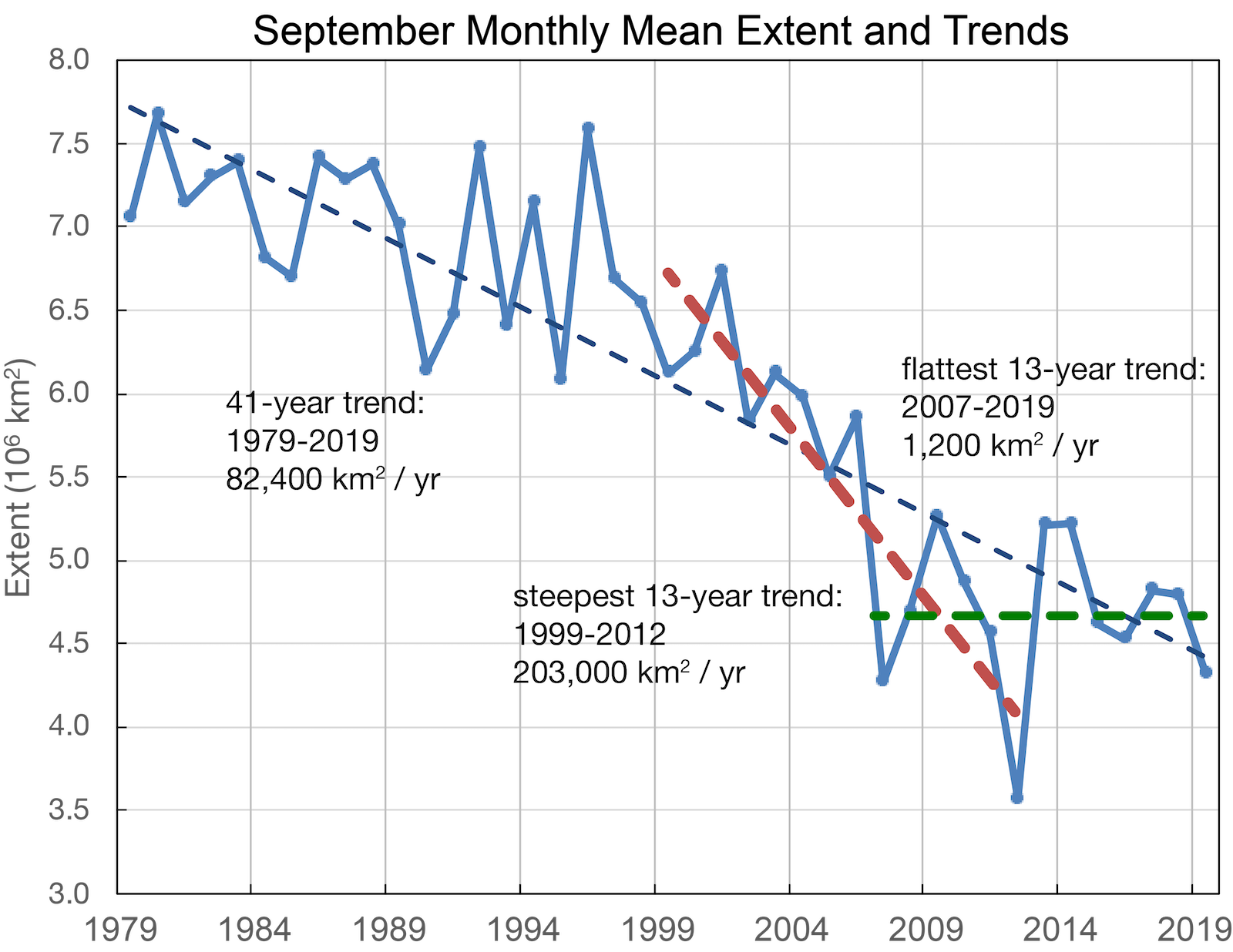
It is true that in 2007, it was predicted that polar bear numbers would plummet when summer sea ice declined to 42% of 1979 levels for 8 out of 10 years (anticipated to occur by 2050) and extinct or nearly so by 2100 (Amstrup et al. 2007). However, summer sea ice has been at ‘mid-century-like’ levels since 2007 (with year to year variation, see NOAA ice chart below) yet polar bear numbers have increased since 2005. The anticipated disaster did not occur but many people still believe it did because the media and some researchers still give that impression.


The prediction of imminent extinction of the polar bear was an utter failure, as I’ve shown in this scientific paper (Crockford 2017) and my most recent book, The Polar Bear Catastrophe That Never Happened.

Examine the evidence and you will see that claims of polar bears going extinct are simply not true. So far, the response of polar bears to recent ice loss suggests that they will continue to thrive with even less summer ice than there has been in recent years as long as ice in winter (December-March) and spring (April-June) remains reasonably abundant, as has been the case to date. The most recent information available is summarized in the upcoming State of the Polar Bear Report 2019, to be released 27 February 2020 but see also the 2018 report (Crockford 2019b).

The graph below was constructed by NASA sea ice expert Walt Meier and published by the US National Snow and Ice Data Center in early October 2019. It shows clearly that summer sea ice (measured as the average for September) has not declined further since 2007 but has had a flat trend.


The graph below is from my book and shows the growth of global polar bear numbers since the 1960s.


The final estimate 26,000-58,000 or 39,000 average) is my plausible and scientifically defensible ‘best guess’ based on extrapolation of recent survey results, summarized here
FOOTNOTE

One of Google’s top ‘suggestion’ when I search for the term ‘polar bear’ is a list of questions that people supposedly ask the most (‘People also ask’), including ‘Why are polar bears going extinct?’

The ‘answer’ provided is not an actual answer but a statement from WWF, an multi-national organization financially invested in promoting the idea that polar bears are suffering due to declining sea ice: it’s paid Google advertising meant to look like answers and facts:

‘Because of ongoing and potential loss of their sea ice habitat resulting from climate change, polar bears were listed as a threatened species in the US under the Endangered Species Act in May 2008. The survival and the protection of the polar bear habitat are urgent issues for WWF.’

Note the statement misleadingly says ‘sea ice’ when it really means ‘summer sea ice’ – the predictions of potential polar bear population decline were based exclusively on summer ice (Amstrup et al. 2007; Crockford 2017, 2019).

As I said above, ‘Why are polar bears going extinct?’ contains a false premise – there is no need to ask ‘why’, when the ‘polar bears [are] going extinct’ part is not true. This post is for the people who search the internet thinking that polar bears really are going extinct.

Another question Google offers is: ‘How many polar bears are left?’ Answer [my bold]:

‘In fact, the World Wide Fund for Nature (or WWF) estimates that there are only 22,000 to 31,000 polar bears left in the world. Jan 25, 2019’

Only? This global estimate, provided by the IUCN Red List (not the WWF) means there are almost three times more polar bears than the 10,000 or so there were in 1960 (Regehr et al. 2016; Wiig et al. 2015). But the Red List figure includes out-of-date estimates and low-balled guesses for many of the 19 subpopulations .


➿➿➿➿➿➿➿➿➿➿➿➿➿➿➿➿➿➿➿➿➿

Friday, 28 February 2020

Health & Wellness - Online health gurus advise ‘near-lethal’ vitamin doses to combat coronavirus

Online health gurus advise ‘near-lethal’ vitamin doses to combat coronavirus


By Hannah Sparks,  New York Post,  February 27,  2020

An assortment of Vitamin & health supplements . Getty Images/iStockphoto

Since the first case of coronavirus was identified in December, effective treatment continues to elude researchers, while it’s spread to more than 82,000 people worldwide, claiming the lives of nearly 2,800 so far.
And now “wellness influencers” on social media platforms are making matters worse by offering virus prevention in the form of possibly “near-lethal doses of vitamins,” Business Insider reports.
Conspiracy theorists have already advised followers to drink something alternately known as Master Mineral Solution, Miracle Mineral Supplement or MMS, which is made with an industrial bleaching agent, to stave off illness. And it should go without saying that guzzling Clorox is a no-no.
But now, other self-proclaimed health experts are feeding followers with dubious remedies made of herbs, extracts and potentially deadly amounts of dietary supplements. While some suggestions, like eating some herbal remedies, could be relatively harmless — so long as it’s not replacing conventional methods of hygiene — megadoses of vitamins A, C and D could land someone in the hospital or worse.
The advice is particularly insidious due to the “health halo” effect of over-the-counter vitamins, which some don’t realize can be too much of a good thing.
Dr. Peter Osborne of the Gluten Free Society on YouTube acknowledges the fact that there is no cure for coronavirus. In the meantime, Business Insider reports that he told his 56,600 YouTube followers to start with a daily dose of 5,000 milligrams of vitamin C and 150,000 international units of vitamin D to help support immune health, even though the National Institutes of Health recommends only 400 IUs per day for infants, and 600-800 for those up to 70 years old. Over 4,000 IUs could cause abdominal pain, vomiting, confusion, heart arrhythmia and kidney damage.
He also added a two-week-long vitamin A treatment consisting of 25,000 IUs (or 7,500 micrograms of retinol activity equivalents) a day, which could cause a toxic reaction with symptoms including dizziness, nausea, headaches, coma and even death, according to the NIH. It says adults aged 19 or older need just 2,300 to 3,000 IUs (700-900 mcg RAE) per day, and more than 10,000 IUs (3,000 mcg) could be considered dangerous.
However, Osborne told The Post these recommendations are meant to be preventative and not appropriate for all types of patients.
“Vitamin therapy is safe, especially if it is monitored correctly,” he said. “I don’t recommend people follow a high dose therapy protocol indefinitely,” adding that this treatment isn’t for everyone, particularly those with preexisting illnesses that might impact how their body metabolizes vitamins. Osborne also noted that treatment involving high-doses of vitamin D, called “stoss therapy,” is already used in clinical settings, often to treat vitamin D deficiency.
“I’m not advocating … that people treat their diseases with vitamins,” he said. “The higher doses are a prevention method” that will “help your immune system be better prepared to fend-off [a virus].”
Other medical establishments are dolling out similar advice, such as the Loveland Medical Clinic in Loveland, Colorado. They’re offering a high-dose shot of vitamin D3 and intravenous infusions of vitamin C — the same approach they use to stave off flu, they say.
“If you have a flu-like disease, I’m just gonna treat you with vitamin C,” a practitioner from the clinic says in a Feb. 20 YouTube clip. “I’m not gonna swab your nose to see if you have influenza A or B. I don’t care. The treatment is actually the same.”
Doctors still aren’t certain about how exactly the virus is transmitted, according to the Centers for Disease Control and Prevention, which currently recommends frequent hand-washing and avoiding contact with sick people as preventative measures. Faced with shortages of face masks and imprudent hospital protocol, the ill-informed are now stoking public panic by touting their homespun remedies on YouTube.

Vitamin C IV Intravenous Therapy for Flu Cold Corona virus Loveland 970 227 0526


Loveland’s vitamin C treatment delivers a whopping 15,000 milligrams a day, which would be 200 times the recommended daily amount for women (75 mg) and 166 times that for men (90 mg), according to the NIH. Taking too much vitamin C, it says, could cause a patient to experience diarrhea, nausea or stomach cramps, or promote iron overload in those with a condition called hemochromatosis, which may lead to liver disease, heart problems and organ failure.
Siegfried Emme, a registered nurse at the clinic, told The Post in an email that their advice comes from Andrew W. Saul, the editor-in-chief of the Orthomolecular Medicine News Service, a site focusing on alternative medicine that touts heavy supplementation for optimal health. Emme specifically referenced an article by Saul that claims that Chinese doctors are already using vitamin C to help prevent coronavirus, as well as evidence that high doses could be used to treat cancer.
Emme added that it is “practically impossible to hit the LD50 [median lethal dose] of vitamin C in humans,” which would be some 770,000 mg, he said, and that their vitamin D3 shot is administered only on a case-by-case basis. But, as the clinic’s YouTube page is quick to point out, “there is no MD affiliated with this facility.”
Saul’s own YouTube channel, which boasts nearly 24,000 subscribers, says it would take some 14,000 mg of vitamin C to prevent coronavirus contraction, adding that megadoses like this is good for a host of viral infections, including flu or cold, allegedly because it makes the immune system stronger.

Coronavirus, Vitamin C, Fake News and Censorship


“It’s a good idea to strengthen the immune system, because that’s all you’ve got,” Saul says. “To fight a virus, if you don’t have a specific anti-viral — if you don’t have a vaccination for it, you have to rely on your immune system.”
In an email to Business Insider, Saul claimed that vitamin dosages are “widely misunderstood,” and that dietary guidelines only address what a typical individual can “tolerate,” rather than the limits of what is “safe” — despite NIH standards.
“By analogy, one might say that the volume of ambient background noise that a sleeping infant will tolerate is far lower than the limit that would begin to cause eardrum damage,” he told his thousands of followers.

Be sure to Recommend  The birth of modern man

A blog about life on Earthplease be sure to follow us at:
https://disqus.com/home/forum/lifeofearth/

Bioenergy in Kenya: Making tea production sustainable

Posted on February 20, 2020 by Stylianos Hatzakis


Project goal: The project assesses the sustainability of the production and use of bioenergy, using indicators developed by the Global Bioenergy Partnership

Project budget: The project is supported with €962,667 ($1,043,407) from the German Environment Ministry (BMU) through its International Climate Initiative.
Project partners (Kenya): The project was carried out by the Stockholm Environment Institute in cooperation with Kenya’s Ministry of Environment, Water and Natural Resources, United Nations Environment Programme, Kenya’s Forestry Research Institute, Strathmore University, World Agroforestry Center
Project partners (Ethiopia): The project was coordinated by the United Nations Environment Programme (UNEP), implemented by the Environment, Forest and Climate Change Commssion (EFCCC), Ethiopian Environment and Forest Research Institute (EEFRI), Ministery of Environment, Forest and Climate Change (MEFCC)

Project duration: From April 2015 to December 2019

Project area: The project runs in Kenya and Ethiopia

The vibrant, green fields of Kenya’s tea plantations provide jobs and income to millions of people in the country. Kenya is a key producer of the crop in Africa, and efforts are now being made to make the industry more environmentally friendly.

Firewood has often been used to power the production process. To reduce deforestation, the country is looking for sustainable alternatives. Over 600,000 small tea farmers work within the The Kenya Tea Development Agency. Some of these producers are exploring the use of bio-energy briquettes made from waste from sugarcane processing.

Sugarcane is grown in large quantities in Kenya, and the remnants are often left to rot, releasing carbon dioxide into the air. The briquettes are easy to transport and produce more energy per unit than wood. Transforming the raw waste material into bioenergy could not only reduce the industry’s environmental impact but also bring economic benefits.

Recommend this post and follow The Life of Earth
https://disqus.com/home/forum/lifeofearth/

'Rusty lump' turns out to be 2,000-year-old silver dagger used by Roman soldier

By Laura Geggel - Associate Editor Feb. 27, 2020

An illustration of the Roman dagger, sheath and belt.
(Image: © Elif Siebenpfeiffer)

Archaeologists in Germany were "lost for words" after the discovery of a 2,000-year-old silver dagger. The weapon was found in its sheath in the grave of a Roman soldier who once fought against the Germanic tribes.

The dagger was so corroded, it took nine months of sandblasting and grinding before the sharp, 13-inch-long (35 centimeters) weapon was restored, at which point researchers were easily able to remove it from its richly decorated sheath.

The find is unusual, given that "it was not the normal practice for Roman soldiers to be buried with their military equipment," said Bettina Tremmel, an archaeologist at the Westphalie Department for the Preservation and Care of Field Monuments in Germany, who specializes in the Roman Empire and took part in the excavation with the University of Trier.

An intern with the Westphalie department, 19-year-old Nico Calman, discovered the dagger and sheath, as well as the remains of the decorated leather belt, during an archaeological dig at Haltern am See (Haltern at the Lake), a town in the German state of North Rhine-Westphalia, in April 2019.

During the Augustan period, from 27 B.C. to A.D. 14, Haltern was home to a Roman military base, known as "Hauptlager," or "main camp." Archaeologists have known about the site since 1900, making the newfound discovery of the dagger all the more surprising, Tremmel said.

The Roman soldiers stationed at the base weren't terribly successful. Three Roman legions (large military units of about 5,000 men each) were wiped out during the defeat of the Roman general and politician Varus by the Germanic tribes in A.D. 9. Not too far from the base is a cemetery, where Roman soldiers and their families were buried.

It was there, in this cemetery, that Calman discovered the corroded dagger.

"The discovery of the dagger was emotional. We were lost for words," Tremmel told Live Science. "Imagine: Though thousands of Roman soldiers were stationed in Haltern over almost 15 years or more, there are only a few finds of weapons, especially complete and intact ones."

Dagger restored


 When it was first discovered, the corroded dagger and sheath looked like a chicken tender. (Image credit: LWL/Josef Mühlenbrock)


LWL-Roman expert Bettina Tremmel (left), LWL cultural department head Barbara Rüschoff-Parzinger, LWL restorer Eugen Müsch and LWL chief archeology Professor Michael Rind present the Roman dagger. (Image credit: LWL/C. Steimer)

Tremmel immediately got in touch with restorers in Münster, who came to Haltern and excavated the "rusty lump" of a dagger from an earthen block, she said.

After the dagger was X-rayed, CT scanned and restored, archaeologists marveled at the dagger; its handle is inlaid with silver and decorated with rivets, and the iron blade has "deep grooves on either side of the midrib, a pronounced waist and a long tapering point," Tremmel said.

The iron sheath is lined with linden wood and decorated with red glass, silver, niello (a black mixture, often of sulphur, copper, silver and lead) and red shiny enamel. Rings on the sheath were used to hang the dagger from a belt, which was also found in the grave.

The dagger was likely wielded by a legionary infantryman, an auxiliary infantryman or an officer known as a centurion, Tremmel said. However, daggers weren't the main weapons used by the military.

"The dagger was a formidable weapon to have as a backup should the sword be lost or damaged," she said. "The penalties for loss of equipment were so severe, there was every incentive for a soldier to keep a tight grip on his helmet, sword and dagger."

It's a mystery why this individual was buried with a dagger. Perhaps the owner was a Celtic or German native. Unlike the Romans, members of those tribes were often buried with their weapons. Or maybe the person was Roman, but wanted the dagger to be included in the burial, Tremmel said.

The only other known Roman military belt, dagger and sheath discovery was in a small Roman military camp in Velsen, in the Netherlands. In that case, a Roman soldier was thrown into a pit during a military conflict with the Germans in 28 B.C.

Recommend this post and follow The birth of modern Man

No nose picking! 15th-century guide taught kids how to mind their manners

By Stephanie Pappas - Live Science Contributor Feb. 26, 2020https://www.livescience.com/medieval-manners-manuscript-15th-century.html

This 15th-century courtesy book, entitled "The Lytille Childrenes Lytil Boke," taught kids table manners and other rules, such as "don't pick your nose."
(Image: © The British Library)

A 15th-century book on manners, newly digitized by The British Library, is filled with rules that wouldn't be out of place in a first-grade classroom today: Don't spit at the table, don't burp, and for goodness sake, stop picking your nose.

Well, make that "pyke notte thyne errys northyr thy nostrellys" (pick not thine ears nor thy nostrils), as the book is written in Middle English. The manuscript is called "The Lytille Childrenes Lytil Boke," the two spellings of "little" harking back to a time before English spelling was standardized. Originally published in 1480, during the transition from the Middle Ages to the Renaissance in Europe, the book was part of a genre known as "courtesy books," according to The British Library.

Courtesy books were full of advice on table manners and other rules, and they were popular between the 13th and 18th centuries in Europe, according to the library. This particular copy was part of a larger manuscript that focused mostly on domestic concerns, from carving meat to bloodletting methods. It may have once belonged to or been used by a child named Maria, as that name is doodled on one of the pages.

The rules in the book are often familiar to any parent trying to civilize a small child, though some are very much of their time. Children are exhorted not to pick their teeth with a knife ("Pyke not thi tothe with thy knyff") or to spit over the table ("Spette not ovyr thy tabylle"). They are told to wait for their social betters to take their drinks before drinking themselves ("And yf thy lorde drynke at that tyde, / Dry[n]ke thou not, but hym abyde").

Other rules urge forbearance at the dinner table. Children should not be too eager to stuff the cheese course in their mouths, the book warns: "And chesse cum by fore the, be not to redy." Burping is strictly a no-go, according to the warning not to burp as if a bean were in one's throat ("Bulle not as a bene were in thi throote"). Children were also urged to suppress their natural energy with a warning that laughing, grinning and speaking too much would be a sin ("Loke thou laughe not, nor grenne / And with moche speche thou mayste do synne").

"By listing all the many things that medieval children should not do, it also gives us a hint of the mischief they got up to," The British Library description of the manuscript notes.

No word, though, on how scintillating medieval children found these books of rules. According to a British Library feature on children's books, manners books transitioned away from dry lists toward cautionary tales in the 1700s. Instead of do's and don'ts, kids of later eras got to read about the trials of bad children like Jacky Jingle and Sulky Sue, who eventually repent of their mischievous ways, grow up, marry and run a farm together.

Recommend this post and follow The birth of modern Man

Thursday, 27 February 2020

Low fruit and vegetable intakes and higher body fat linked to anxiety disorders

FEB. 27, 2020, by University of Toronto

Credit: Mary LaFrance/public domain

New research from the Canadian Longitudinal Study on Aging shows that adults who have low fruit and vegetable intakes have a higher likelihood of being diagnosed with an anxiety disorder.

"For those who consumed less than 3 sources of fruits and vegetables daily, there was at least at 24% higher odds of anxiety disorder diagnosis," says study lead Karen Davison, health science faculty member, nutrition informatics lab director at Kwantlen Polytechnic University, (KPU) and North American Primary Care Research Group Fellow.

"This may also partly explain the findings associated with body composition measures. As levels of total body fat increased beyond 36%, the likelihood of anxiety disorder was increased by more than 70%," states co-author Jose Mora-Almanza, a Mitacs Globalink Intern who worked with the study at KPU.

"Increased body fat may be linked to greater inflammation. Emerging research suggests that some anxiety disorders can be linked to inflammation," says Davison.

Other factors associated with anxiety disorders among mid-age and older Canadians

In addition to diet and body composition measures, the prevalence of anxiety disorders also differed by gender, marital status, income, immigrant status and several health issues.

One in nine women had an anxiety disorder compared to one in fifteen men.

"Our findings are in keeping with previous research which has also indicated that women are more vulnerable to anxiety disorders than men," says co-author Karen Kobayashi, Professor in the Department of Sociology and a Research Affiliate at the Institute on Aging & Lifelong Health at the University of Victoria.

The prevalence of anxiety disorders among those who had always been single (13.9%) was much higher than among those who were living with a partner (7.8%). Approximately one in five respondents with household incomes under $20,000 per year had anxiety disorders, more than double the prevalence of their richer peers.

"We were not surprised to find that those in poverty had such a high prevalence of anxiety disorders; struggling to afford basics such as food and housing causes relentless stress and is inherently anxiety inducing," says co-author Hongmei Tong, Assistant Professor of Social Work at MacEwan University in Edmonton.

Individuals with three or more health conditions had fivefold the prevalence of anxiety disorders in comparison to those with no chronic conditions (16.4% vs 3%). Those in chronic pain had double the prevalence of anxiety disorders in comparisons to those who were free of pain.

"Chronic pain and multiple health conditions make life very unpredictable and can be anxiety producing. One never knows whether health problems will interfere with work or family responsibilities and many activities become more challenging and time consuming," says co-author Shen (Lamson) Lin, a doctoral student at University of Toronto's Factor-Inwentash Faculty of Social Work (FIFSW).

Immigrants to Canada had a lower prevalence of anxiety disorders compared to their peers born in Canada (6.4% vs 9.3%).

"Immigrants may face a myriad of challenges associated with resettling in a new country, including language barriers, poverty, difficulties in getting qualifications recognized, and limited social support, so it seems counter-intuitive that they should have a lower likelihood of anxiety disorders than those born in Canada. It may be that potential immigrants with anxiety disorders would find the challenges of relocation too anxiety-inducing and would therefore not choose to immigrate, so there is a 'self-selection' for those with lower anxiety," says senior author, Esme Fuller-Thomson, professor at FIFSW and director of the Institute for Life Course & Aging. Fuller-Thomson is also cross-appointed to the Department of Family and Community Medicine and the Faculty of Nursing.

The study team analyzed data from the Canadian Longitudinal Study on Aging which included 26,991 men and women between the ages of 45 and 85. The article was published this week in the International Journal of Environmental Research and Public Health.

An important limitation of the study was that the assessment of anxiety disorders was based upon self-reporting of a medical diagnosis. The authors also conducted multivariate analyses taking into account the use of a family physician in the past year to address the possibility of under-reporting of anxiety disorders among those who rarely visited health professionals. This adjustment was not found to substantially change the associations discussed above.

"It is estimated that 10% of the global population will suffer from anxiety disorders which are a leading cause of disability" says Karen Davison "Our findings suggest that comprehensive approaches that target health behaviors, including diet, as well as social factors, such as economic status, may help to minimize the burden of anxiety disorders among middle-aged and older adults, including immigrants."

Recommend this post and follow The birth of modern Man

How resident microbes restructure body chemistry

FEB. 26, 2020, by University of California - San Diego

The entire molecular map of the mice used in this project. Each small circle represents a molecule. They are connected together based on their chemical similarities. The circles are colored by whether they were found in germ-free (sterile) mice or normal mice with microbiomes. Pink = shared, Green = found only in mice with microbiomes, Blue = found only in sterile mice. Credit: UC San Diego Health Sciences

The makeup of our microbiomes—the unique communities of bacteria, viruses and other microbes that live in and on us—have been linked, with varying degrees of evidence, to everything from inflammatory bowel disease to athletic performance.

But exactly how could such tiny organisms have such immense influences on a person?
University of California San Diego researchers have created the first-ever map of all the molecules in every organ of a mouse and the ways in which they are modified by microbes. In one surprising example, they discovered that microbes control the structure of bile acids in both mice and people.

The study, published February 26, 2020 in Nature, was led by Pieter Dorrestein, Ph.D., professor and director of the Collaborative Mass Spectrometry Innovation Center in the Skaggs School of Pharmacy and Pharmaceutical Sciences at UC San Diego, and Robert Quinn, Ph.D., assistant professor at Michigan State University.

When you change the structure of molecules, such as bile acids, you could change how cells talk to one another and which genes are turned "on" or "off" at a given time, Dorrestein said. And that might have huge consequences for body function and the development of disease.

"We hear a lot about how our own human genes influence our health and behaviors, so it may come as a shock to think that we could have molecules in the body that look and act the way they do not because of our genes, but because of another living organism," Dorrestein said.

This video highlights the locations of molecules that have been modified by microbes.

Mapping molecules and microbes in mice

The team compared germ-free (sterile) mice and mice with normal microbes. They used a laboratory technique called mass spectrometry to characterize the non-living molecules in every mouse organ. They identified as many molecules as possible by comparing them to reference structures in the GNPS database, a crowdsourced mass spectrometry repository developed by Dorrestein and collaborators. They also determined which living microbes co-locate with these molecules by sequencing a specific genetic region that acts as a barcode for bacterial types.

In total, they analyzed 768 samples from 96 sites of 29 different organs from four germ-free mice and four mice with normal microbes. The result was a map of all of the molecules found throughout the body of a normal mouse with microbes, and a map of molecules throughout a mouse without microbes.

A comparison of the maps revealed that as much as 70 percent of a mouse's gut chemistry is determined by its gut microbiome. Even in distant organs, such as the uterus or the brain, approximately 20 percent of molecules were different in the mice with gut microbes.
Bacteria modify bile acids
After constructing these maps, the researchers homed in on one particular family of molecules that appeared to be significantly different when microbes were present: bile acids. Bile acids are primarily produced by the mouse or human liver, and they help digest fats and oils. They can also carry messages throughout the body.

The team discovered bile acids with previously unknown structures in mice with normal microbiomes, but not in germ-free mice. It's long been known that host liver enzymes add amino acids to bile acids, specifically the amino acids glycine and taurine. But in mice with normal microbiomes, the team found that bacteria are tagging bile acids with other amino acids—phenylalanine, tyrosine and leucine.

"More than 42,000 research papers have been published about bile acids over the course of 170 years," Quinn said. "And yet these modifications had been overlooked."

Influence on human health

Curious if the same types of microbe-modified bile acids are found in humans, the researchers used a tool they created, the Mass Spectrometry Search Tool (MASST), to search 1,004 public datasets of samples analyzed with mass spectrometry. They also analyzed by mass spectrometry approximately 3,000 fecal samples submitted to the American Gut Project, a large citizen science effort based at UC San Diego School of Medicine.

Here's what they found: The unique microbial-modified bile acids the researchers saw in mice were also present in up to 25.3 percent of all human samples in the datasets. These novel bile acids were more abundant in infants and patients with inflammatory bowel disease or cystic fibrosis.

One way bile acids can deliver messages from the gut to other parts of the body is through specific gut receptors called farnesoid X receptors. Bile acids bind and activate the receptors, which then inhibit genes responsible for making more bile acids. The receptors also help regulate liver triglyceride levels and fluid regulation in the intestines, making them important in liver disease and possibly obesity. Several drugs are currently being developed to treat liver disease by activating farnesoid X receptors.

Sure enough, in mice and human cells grown in the lab, Dorrestein, Quinn and team found that the newly discovered, microbe-modified bile acids strongly stimulate farnesoid X receptors, reducing expression of genes responsible for bile acid production in the liver.

The study raises many questions about the role microbes might play in driving liver and other diseases, and in influencing the activity of therapeutics, such as drugs that target farnesoid X receptors.

"This study provides a clear example of how microbes can influence the expression of human genes," Dorrestein said. "What we still don't know is the downstream consequences this could have, or how we might be able to intervene to improve human health."

Recommend this post and follow The life of Earth

Study: Children need self-regulation to learn

FEB. 26, 2020, by Maria G Strand, University of Stavanger

Credit: UiS/Mari Løvås

A considerable amount of development takes places in the brains of young children. Children experience a steep increase in their cognitive skills—including self-regulation—at an early age. What exactly is self-regulation? And why is it so important—especially for children?

"Self-regulation is important because we use it for concentrating and solving complex problems, as well as for planning and undertaking tasks," says doctoral research fellow Dieuwer ten Braak at the Norwegian Centre for Learning Environment at the University of Stavanger

It is also important for the development of our social skills and when playing and interacting with other children, as well as for developing academic skills such as learning to read, write and solve mathematical problems.

Together with Norwegian and American colleagues, Dieuwer ten Braak investigated the connection between self-regulation and early literacy, language and mathematical skills when children go from kindergarten to first grade in Norway. Their findings have recently been published in Journal of Applied Developmental Psychology.

"Self-regulation is a concept that is often misunderstood. It is therefore important that parents and kindergarten employees have access to the correct knowledge about this subject, why it is important for children to develop this ability, and how such development can be encouraged," says the doctoral research fellow.

Ability to regulate own behavior

Dieuwer ten Braak says that although there are many different definitions of the concept of self-regulation, there is general agreement that it includes the ability to regulate one's own thoughts and behavior by inhibiting or controlling impulsive responses, remembering information and processing it, as well as having the ability to maintain and change focus.

"For example, a child with good self-regulation abilities will be able to remember and process complex information more easily. She says that a message such as: "Good morning Alex, how are you? Did you have a nice weekend? Don't forget to take your boots off before you go in! We're going to eat breakfast right now," requires the child to remember and process a lot of information.

"Furthermore, the child needs to control the impulse to run straight in. Children need self-regulation in order to maneuver in a complex world and take advantage of the learning opportunities around them."

Children's surroundings are important

Many studies that show a connection between self-regulation and academic skills have been conducted in the U.S..

Dieuwer ten Braak explains that while kindergarten in the U.S. is based on a tradition that aims to prepare children for school with structured learning activities designed to encourage academic skills, kindergarten in Norway is based on a different tradition that promotes learning through free play. It is important to take this difference into account when interpreting results from the U.S..

"We know that self-regulation and academic skills do not develop in a vacuum, but that they are affected by the environment in which children grow up. Obviously kindergartens are important because children spend a lot of time there each day. Consequently, we cannot simply generalize the results of American studies to Norwegian children," she says.

This is one of the first Norwegian studies that looks at self-regulation and specifically at how it relates to early literacy, language, and math skills when children make the transition from kindergarten to first grade.

A total of 243 children from 19 different kindergartens took part in the study.

Connection between self-regulation and mathematical skills

Self-regulation is important when learning new skills and acquiring new knowledge—especially when a task is difficult. Once we have automated a skill, we no longer need to employ so much self-regulation.

"Just imagine the time when having to learn how to drive a car. That required a lot of self-regulation. You had to control your impulse to look at the cars passing by, at the same time you had to process complex information about the traffic and roads around you and shift your attention from the traffic to operating the car. After you have driven a car for many years, this almost happens automatically," says Dieuwer ten Braak.

The study undertaken at the Centre for Learning Environment at the University of Stavanger shows that there is a strong connection between self-regulation and mathematical skills in children and that this association goes in both directions.

"In other words, children's self-regulation in kindergarten is not just relevant for how they succeed in mathematics in first grade. Their kindergarten math skills seem also relevant for their self-regulation abilities in first grade."

"This is also apparent in studies undertaken in other countries," she says, and explains that this suggests that play-based math activities in kindergarten can be one way of helping children to develop self-regulation in a meaningful way.

Increasing complexity

The researchers found no such connection between self-regulation and early reading skills. They were unable to say anything definite about why there is a particularly strong connection between self-regulation and mathematics.

In further research, Dieuwer ten Braak and her colleagues will investigate what could explain the fact that there is such a strong connection between self-regulation and mathematics.

"One possible explanation could be that while early literacy—i.e. rhyming, recognizing sounds in words, and learning letters—is about automation and the ability to achieve flow when reading—mathematics becomes increasingly more complex and will therefore require continuous use of self-regulation skills, such as working memory," says Dieuwer ten Braak.

This does not mean that this ability is not important for learning to read, but it may be important only for a very short period of time and therefore not captured in the study. It may be that the connection becomes stronger when reading skills become more advanced, e.g., when children have to learn to comprehend more complex texts at school.

"The study also shows that children's vocabulary is predict for their self-regulation in first grade, but not the reverse. In other words, the promotion of language in kindergarten could be an important tool for enabling children to develop their self-regulation. The theory here is that children learn to regulate their own behavior by using their inner voice—and for that they need language," says Dieuwer ten Braak.

Role of kindergartens

Children's home environment can strengthen their ability to regulate their own behavior, but if they experience a lack of structure, a chaotic or stressful home situation, this could hinder the development of self-regulation.

"All children have the potential to develop this ability," she says and adds that kindergarten can play a role by giving children the opportunity to develop the self-regulation that some of them do not acquire at home.

Recommend this post and follow The birth of modern Man

Researchers uncover hidden antibiotic potential of cannabis

FEBRUARY 26, 2020, by McMaster University

Professor Eric Brown (left); research associate Maya Farha (centre), and postdoctoral fellow Omar El-Halfawy, are authors of the study and members of the Michael G. DeGroote Institute for Infectious Disease Research and Department of Biochemistry and Biomedical Sciences at McMaster University. Credit: McMaster University

McMaster University researchers have identified an antibacterial compound made by cannabis plants that may serve as a lead for new drug development.

An interdisciplinary team of McMaster researchers found that the chemical compound, or cannabinoid, called cannabigerol (CBG) is not only antibacterial but also effective in mice against a resilient family of bacteria known as methicillin-resistant Staphylococcus aureus (MRSA).

The findings were published in the journal American Chemical Society Infectious Diseases.

"In this study, we investigated 18 commercially available cannabinoids and they all showed antibiotic activity, some much more than others," said study lead Eric Brown, professor of biochemistry and biomedical sciences at McMaster.

"The one we focused on was a non-psychoactive cannabinoid called CBG, as it had the most promising activity. We synthesized that cannabinoid in mass quantity which gave us sufficient compound to go deep into the research."

The research team found that CBG had antibacterial activity against drug-resistant MRSA. It prevented the ability of that bacteria to form biofilms, which are communities of microorganisms that attach to each other and to surfaces; and it destroyed preformed biofilms and cells resistant to antibiotics. CBG achieved this by targeting the cell membrane of the bacteria.

These findings in the laboratory were supported when mice with an MRSA infection were given CBG.

"CBG proved to be marvellous at tackling pathogenic bacteria," Brown said. "The findings suggest real therapeutic potential for cannabinoids as antibiotics."

One caveat noted by the research team is the toxicity of CBG on the host cells which makes the study's findings an important lead rather than a likely final product, Brown said.

"It opens a therapeutic window, but a narrow one, to develop this into a drug," he said. "The next steps are to try to make the compound better in that it is more specific to the bacteria and has a lower chance of toxicity."

The Brown lab has been studying the antibiotic potential of cannabis for the past two years since the legalization of marijuana in Canada.

"This research became top of mind for us, in part, because we are in Canada," Brown said. "There has been some stigma of investing in this kind of research, but there's increasing anecdotal evidence of the medicinal use of cannabis. The stigma seems to be waning."

Brown said the study was reliant on his collaborator, Jakob Magolan, a McMaster associate professor of biochemistry and biomedical sciences who specializes in drug development using organic synthetic chemistry.

"The labs of Jake and I are just steps away from each other and our teams are talking to each other all the time," Brown said. "This is just one of many exciting projects we're involved with that combine scientists with very different but complementary expertise."


Recommend this post and follow The Life of Earth